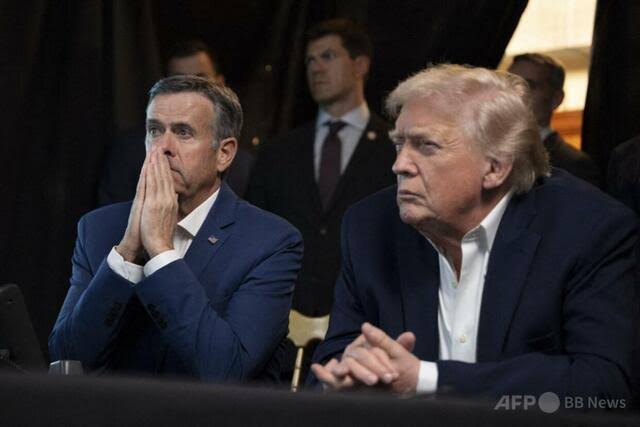
The White House escalated pressure on Havana on the 11th, with President Donald Trump declaring that oil and money “no longer” flow to Cuba from Venezuela and urging the island’s leaders to “make a deal before it’s too late.” The blunt warning, delivered on Trump’s social platform Truth Social, prompted a swift, defiant response from Cuba’s top officials and underscored how the long-standing Havana–Caracas security and energy axis has become a central front in a rapidly intensifying regional confrontation.
Trump’s Ultimatum and the Venezuela Trigger
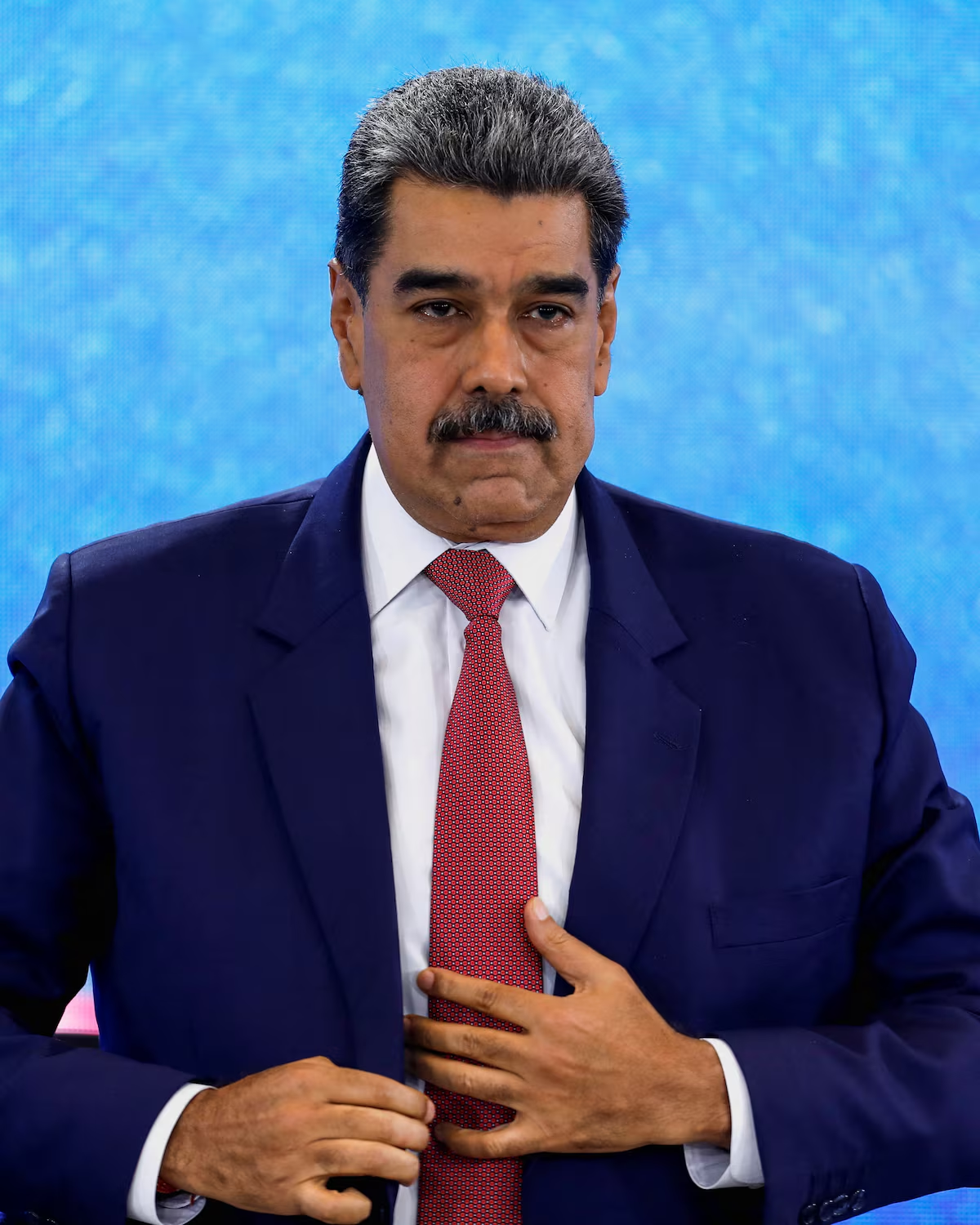
“No oil or money is going to Cuba anymore. Zero,” Trump wrote, adding, “I strongly advise making a deal before it’s too late.” He did not spell out what such a deal would entail. The president’s post followed Washington’s military intervention in Venezuela and a U.S. operation aimed at capturing President Nicolás Maduro. According to initial accounts referenced by Trump allies, the operation left more than 30 Cuban security personnel—described as bodyguards assigned to Maduro—dead. Trump has in recent days argued that Cuba is “on the brink of collapse,” and advisers say the White House sees Havana as a critical enabler of Maduro’s survival.
Havana’s Defiance: ‘No One Orders Us’
Cuban President Miguel Díaz-Canel fired back on X, the platform formerly known as Twitter: “We are prepared to defend our homeland to the last drop of blood. Cuba is a free, independent, and sovereign nation. No one tells us what to do.” Foreign Minister Bruno Rodríguez struck a similarly firm tone, insisting Cuba will not bow to “unilateral U.S. pressure” and asserting the country’s right to import fuel from any willing seller. In practice, Cuban officials have long relied on nimble procurement—mixing direct purchases, swaps, and ship-to-ship transfers—to keep refineries running and lights on amid tightening sanctions and dwindling credits.
Rubio’s Role and the Political Signal
Underscoring the administration’s posture, U.S. Secretary of State Marco Rubio—an outspoken critic of both Havana and Caracas—reposted a message hinting at the prospect of him becoming Cuba’s president. While the remark was widely interpreted as provocative political theater, it also reflects Washington’s confidence that sustained pressure could fracture Cuba’s leadership at a moment of acute economic strain. In Florida’s Cuban-American community, such rhetoric plays well. But in Europe and Latin America, allies and observers are likely to parse it as a sign of maximalist ambitions that could complicate coalition-building for sanctions enforcement and humanitarian arrangements.
The Cuba–Venezuela Pipeline: Oil for Services
For two decades, the Havana–Caracas partnership anchored a barter-like arrangement: Venezuela delivered subsidized crude and refined products to Cuba, while Havana dispatched doctors, teachers, intelligence advisers, and security personnel to Venezuela. In the heyday of Venezuela’s oil wealth, shipments to Cuba reportedly reached well over 90,000 barrels per day. As Venezuela’s production plunged, deliveries slowed, and Cuba diversified via spot purchases and short-term deals, often with complex routing to mask origins and evade sanctions scrutiny. The security dimension—most visibly Cuba’s protective cordon around Maduro—has given Washington a lever. If the U.S. can sever fuel flows and raise the costs of Havana’s security backing, officials believe, the Maduro government could lose a critical lifeline even as domestic and international pressure mounts.
What Would a ‘Deal’ Look Like?
Trump’s public admonition left the substance of a potential deal unstated, but analysts sketch out familiar contours: the White House could demand a drawdown of Cuban security personnel in Venezuela, commitments to refrain from supporting Maduro’s security apparatus, and domestic concessions in Cuba such as releases of political detainees and improved access for humanitarian aid. In exchange, Washington could offer calibrated sanctions relief or targeted energy exemptions—potentially allowing limited fuel transfers under strict monitoring—or broaden remittance and travel channels that support Cuban households. Whether Havana would entertain such terms is uncertain. Díaz-Canel’s rhetoric suggests little appetite for concessions seen as eroding sovereignty. Still, mounting fuel shortages and blackouts sharpen the dilemma: Cuba needs reliable energy, and financing options have thinned.
Energy and Shipping: The Choke Points
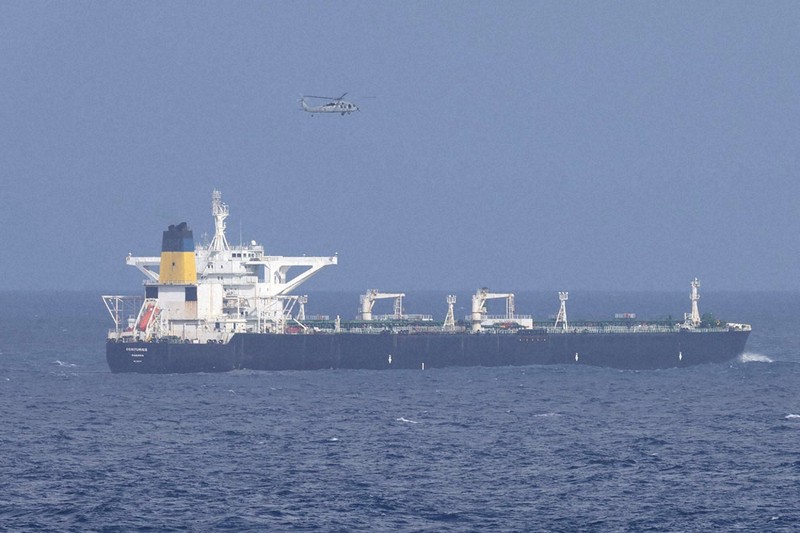
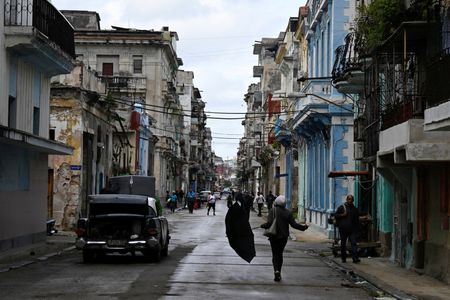
Cuba’s power grid has wrestled with outages, aging plants, and maintenance deficits, a problem exacerbated by scarcity of diesel and fuel oil. A cutoff from Venezuelan barrels forces Havana to seek alternative suppliers—potentially from Russia, Algeria, or other willing exporters—and to rely on shadow fleet shipping tactics designed to circumvent sanctions. That intensifies risks for traders, insurers, and shipowners, who could face secondary sanctions if Washington expands enforcement. Port calls, transponders, ship-to-ship transfers, and bills of lading will now draw heightened scrutiny. For Cuba, even successful spot purchases can be uneven and costly, amplifying domestic stress and public frustration. For the region, tighter fuel supplies could ripple through Caribbean markets already stretched by price volatility.
Legal and Diplomatic Terrain
Washington’s pressure campaign sits atop a complex legal base that includes the U.S. embargo, sanctions authorities tied to human rights and corruption, and measures targeting Venezuela’s state oil company. Expanded enforcement against shipments bound for Cuba would test the elasticity of those authorities and invite challenges over extraterritorial reach. Multilaterally, debates are likely to sharpen in the Organization of American States and at the United Nations, where Cuba and Venezuela have often relied on sympathetic members to resist U.S.-led censure. Mexico, Brazil, and Caribbean Community (CARICOM) states will watch for humanitarian impacts, even if they refrain from outright alignment with either side. The European Union, historically critical of extraterritorial sanctions, may push for guardrails to ensure channels for food, medicine, and basic energy needs remain open.
Havana’s Options—and Limits
In the near term, Havana will likely double down on diplomatic outreach to friendly capitals, seek credit lines on tight terms, and court any energy exporter willing to risk Washington’s ire. It can trim domestic consumption, prioritize essential services, and lean on public messaging that frames the crisis as an externally imposed siege. But alternatives come with costs: Russian or Iranian barrels may be available, yet financing, shipping, and insurance hurdles accumulate; and clandestine routes invite operational mishaps and legal exposure. Meanwhile, if Cuban personnel truly have been drawn down or suffer losses in Venezuela, Caracas’s own security posture could be tested, raising the stakes for both governments.
What to Watch Next
Key indicators will surface quickly: Does Havana signal openness to back-channel talks, or does it instead stage public shows of defiance? Do tanker trackers reveal diversions, unusual ship-to-ship activity, or “dark” voyages toward Cuban ports? Does Washington issue new compliance advisories to the maritime industry or unveil secondary sanctions on shippers and traders linked to Cuba-bound fuels? Politically, watch whether Trump returns to the theme in rallies or policy remarks and whether Rubio’s State Department moves from rhetoric to designating new targets or offering a structured pathway for relief if Havana alters course. For now, both sides appear dug in—Washington betting that cutting off Venezuelan oil will hasten concessions, and Havana signaling that sovereignty trumps economic pain. The next moves, whether quiet diplomacy or public escalation, will determine whether “make a deal before it’s too late” becomes a prelude to negotiations—or a prologue to a deeper standoff.