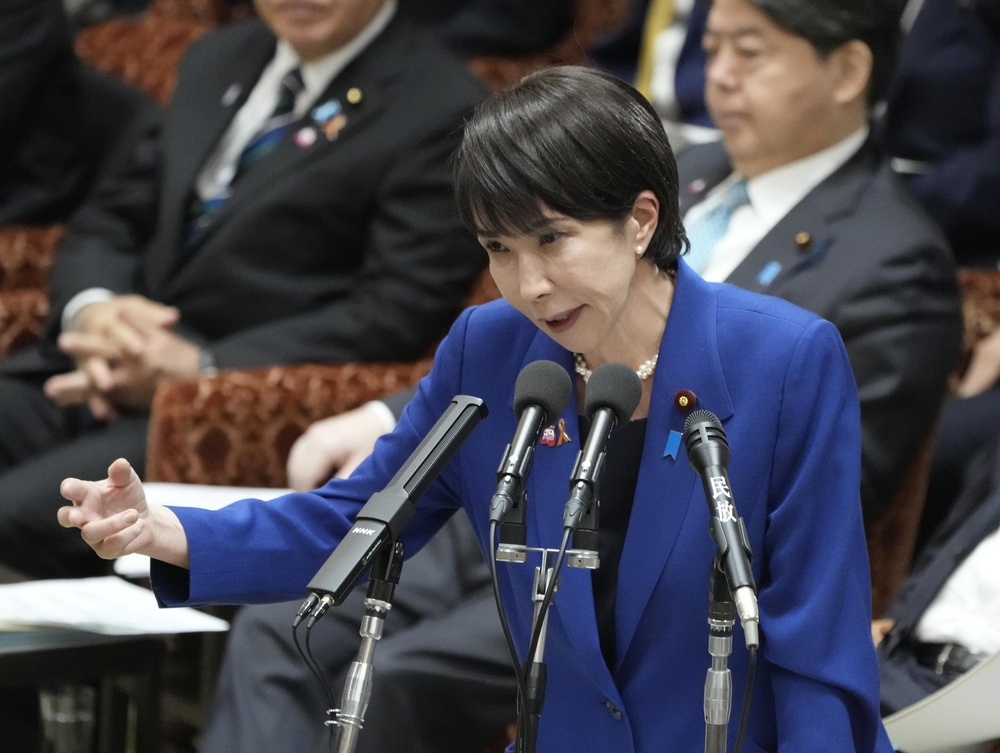
One month after Prime Minister Sanae Takaichi told Japan’s Lower House Budget Committee that “a contingency in Taiwan could constitute a survival-threatening situation” for Japan, the diplomatic confrontation with China shows no sign of easing. Beijing has escalated its countermeasures—urging Chinese citizens to refrain from visiting Japan, halting procedures for imports of some Japanese seafood, and prompting cancellations of cultural events—while Chinese airlines have extended fee-free changes and cancellations for Japan-bound tickets well into next spring. Tokyo, for its part, insists that its long-standing stance on Taiwan remains unchanged, emphasizes the need to keep communication channels open, and vows to rebut Chinese criticism with facts. Yet with Beijing calling the prime minister’s explanation “unacceptable” and conditioning improved dialogue on a retraction of her remarks, a pathway out of the impasse remains elusive.
What Takaichi Said—and Why It Matters
At the heart of the dispute is Takaichi’s use of a politically charged legal term, “survival-threatening situation” (sonritsu kiki jitai). Under Japan’s 2015 security legislation, such a determination can enable the limited exercise of collective self-defense if an armed attack on a country closely related to Japan threatens Japan’s survival and endangers the rights of its people. By stating that a Taiwan contingency could fall into that category, Takaichi did not declare any change in policy but underscored that serious instability in the Taiwan Strait could directly affect Japan’s security. Her comment, made during scrutiny in the powerful Budget Committee, signaled to domestic and foreign audiences that Tokyo is calibrating its planning for contingencies with potential spillover to Japanese territory, maritime routes, and airspace.
Beijing’s Pushback: From Travel Warnings to Cultural Cancellations
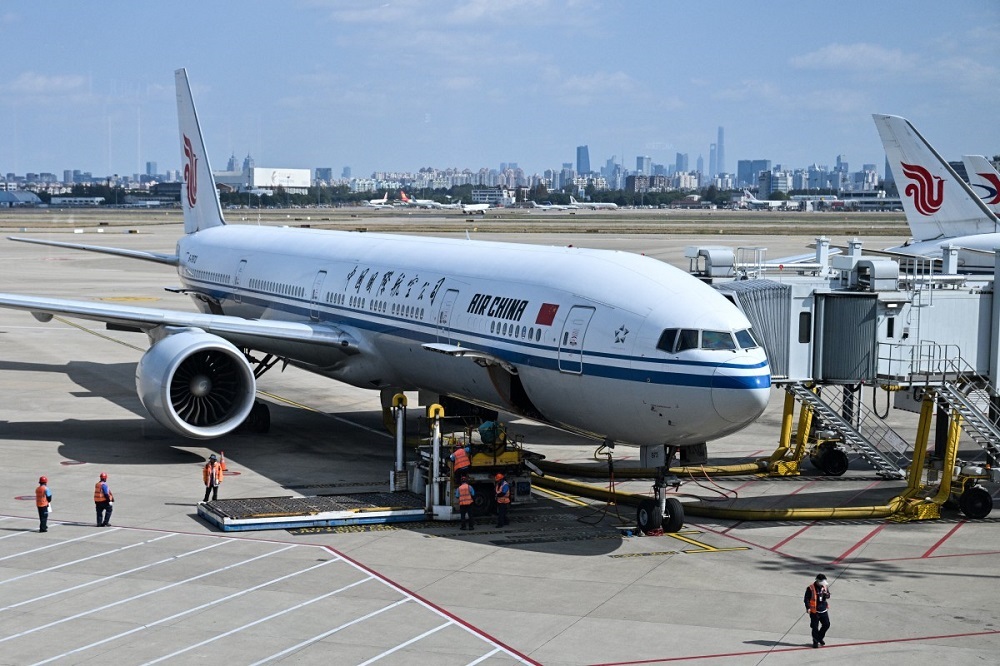
China’s response has been swift and multi-pronged. In November, the Chinese Foreign Ministry advised citizens to postpone trips to Japan, triggering a chill in tourism flows just as the sector sought a post-pandemic rebound. On 5 December, Chinese airlines announced they would extend the period for free cancellations and changes on Japan routes from the end of this month to 28 March next year, widening the time window for travelers to back out. Chinese authorities and organizers have also moved to cancel concerts and performances by Japanese artists, while import procedures for some Japanese seafood have been halted—measures that compound existing frictions in bilateral trade and people-to-people exchanges.
Tourism and Business Feel the Strain
Tourism businesses in Japan had counted on a steady return of Chinese visitors, historically one of the largest groups of inbound travelers, to fill hotels, restaurants, and retail outlets in major cities and regional destinations alike. The renewed caution from Chinese officials and the airlines’ policy extensions now threaten that recovery. Travel agencies are reporting increased inquiries about cancellations or postponements, and local governments that had invested in China-facing promotion campaigns are recalibrating expectations. The ripple effects extend to airlines, airports, and hospitality firms that had been quietly restoring capacity. While business travelers continue to move across the East China Sea, their numbers are insufficient to offset the dip in leisure travel, and corporate risk assessments are increasingly factoring in the possibility of further diplomatic turbulence.
Tokyo’s Line: No Policy Shift, Keep Talking
Despite the mounting repercussions, Takaichi has repeatedly stressed that Japan’s policy on Taiwan has not changed. Speaking at a plenary session of the Upper House on the 3rd, she emphasized that the government’s basic position remains intact. That position has long rested on the recognition of the People’s Republic of China as the sole legal government of China, while maintaining a robust non-governmental relationship with Taiwan, with peace and stability in the Taiwan Strait deemed indispensable to regional security. Tokyo officials say they will continue to seek dialogue with Beijing to prevent misunderstandings and manage differences. They also indicate that Japanese embassies and agencies will step up explanations to third countries—particularly in the Indo-Pacific and among G7 partners—about Japan’s legal framework and strategic concerns, part of a wider diplomatic outreach to ensure Tokyo’s narrative is understood amid competing claims.
Beijing’s Demand: Retract the Remarks
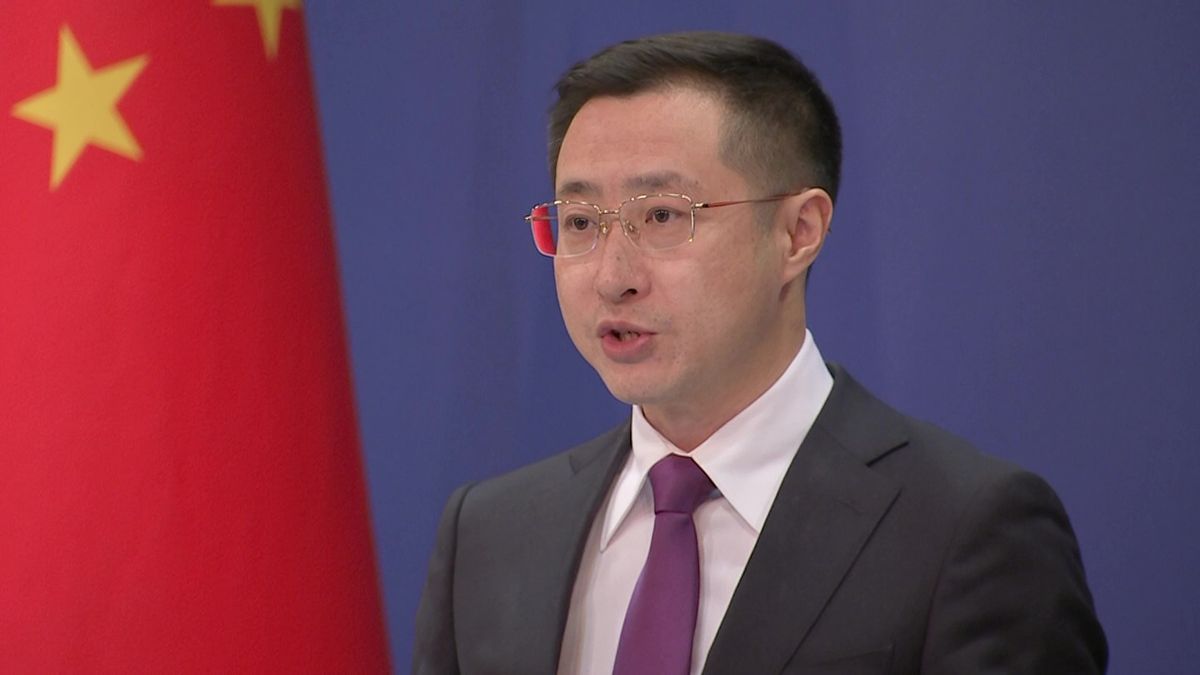
China, however, has rejected Tokyo’s assurances. Chinese Foreign Ministry deputy spokesperson Lin Jian described Takaichi’s explanation as “unacceptable,” reiterating Beijing’s view that references to a Taiwan contingency intrude on internal affairs and violate commitments. Chinese officials have tied the prospect of smoother dialogue to the withdrawal of the prime minister’s comments, a condition Tokyo is unlikely to meet. The result is a stalemate: Japan insists it is merely describing potential scenarios under existing law, while China sees the language as an escalation that emboldens pro-independence forces in Taiwan and complicates cross-strait stability.
Explainer: The “Survival-Threatening Situation” Threshold
The phrase at issue carries real-world implications. The 2015 security legislation—passed after intense domestic debate—allows Japan, in strictly limited and highly conditioned circumstances, to use force in collective self-defense if three criteria are met: a clear threat to Japan’s survival, no other appropriate means to repel the threat, and minimal necessary use of force. While the government has not made any determination regarding Taiwan, mentioning the category in the Taiwan context signals that Tokyo perceives a potential crisis there as more than a distant concern. It reflects anxieties about the proximity of Japan’s southern islands to Taiwan, the strategic importance of sea lanes, and the obligations of the U.S.–Japan alliance, which anchors regional deterrence. For Beijing, any suggestion that Japan might play a role in a Taiwan emergency is inherently provocative; for Tokyo, publicly acknowledging the legal framework is about preparedness and transparency.
Economic and Cultural Crosswinds
The escalation comes on top of a period of recurrent friction over trade and safety standards, including disputes that have periodically affected food imports. Cultural exchanges—often a ballast in turbulent times—are now caught in the crossfire, with exhibitions, performances, and academic visits facing postponements. Japanese artists and organizers are weighing reputational and logistical risks, while Chinese partners navigate a tightening political environment. In both countries, business groups are urging restraint, warning that prolonged uncertainty could cool investment and disrupt supply chains that knit together two of Asia’s largest economies.
Regional Stakes and International Messaging
The standoff is being watched closely across the region. Southeast Asian nations, which rely on stable sea lanes and maintain ties with both China and Japan, have a stake in avoiding miscalculation. European partners, increasingly vocal about Indo-Pacific security, have echoed calls for stability and the peaceful resolution of cross-strait differences. Tokyo’s effort to brief third countries reflects a broader contest of narratives: Japan seeks to frame its position as defensive and law-bound, while China portrays Tokyo’s statements as destabilizing and aligned with external containment efforts. The United States, Japan’s treaty ally, is a constant subtext, though Washington has not featured prominently in this specific exchange; its alliance with Tokyo nonetheless shapes the calculations of all parties.
What Could Break the Deadlock?
Absent a retraction by Takaichi—or a softening of Beijing’s demand for one—near-term de-escalation looks difficult. Potential off-ramps could include working-level talks that quietly reaffirm existing understandings, confidence-building measures in non-sensitive areas such as disaster relief cooperation, or parallel steps to insulate tourism and cultural exchanges from political shocks. Even so, election calendars, domestic political dynamics, and the strategic calendar around Taiwan’s politics could constrain flexibility. In Tokyo, opposition lawmakers are pressing the government to clarify thresholds and communication protocols to reduce the risk of unintended escalation, while defense planners continue to refine contingency coordination with allies. In Beijing, officials are balancing firmness with the desire to avoid self-inflicted economic pain.
The Bottom Line
One month on, the consequences of a single sentence continue to multiply. Tokyo says nothing has changed in policy terms; Beijing says everything has changed in tone and implication. With airlines extending travel leniency to late March, seafood import procedures interrupted, and cultural exchanges under strain, the costs are no longer theoretical. Whether quiet diplomacy can uncouple policy signaling from practical cooperation will determine if the two neighbors can step back from a cycle of action and reaction—or if the dispute becomes yet another entrenched fault line in an already brittle regional order.