Japan enforces maritime rules after alleged inspection evasion
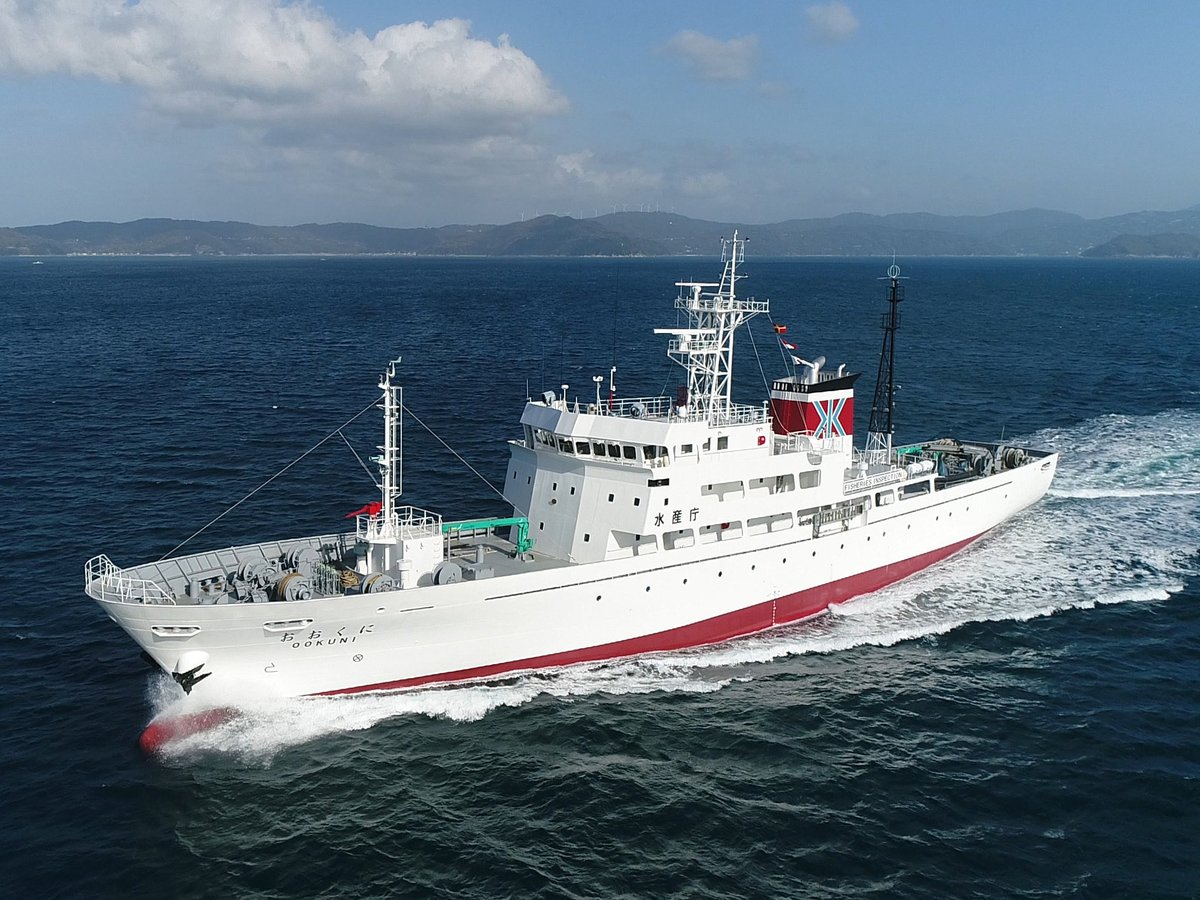
Japanese authorities have seized a Chinese fishing boat and arrested its captain after the vessel allegedly fled an inspection inside Japan’s exclusive economic zone (EEZ). Officials say the action was taken in accordance with domestic law and international maritime norms, underscoring Tokyo’s determination to safeguard marine resources and uphold the rule of law at sea. The incident, which occurred within waters where Japan exercises sovereign rights over natural resources, could add friction to already sensitive relations between Asia’s two largest economies.
What happened and why it matters
While specific coordinates and timing were not immediately disclosed, authorities indicated the Chinese vessel failed to comply with a lawful inspection order within Japan’s EEZ. Under Japan’s regulations, which align with the United Nations Convention on the Law of the Sea (UNCLOS), foreign fishing boats operating in a coastal state’s EEZ must follow local conservation measures and submit to inspection. Alleged evasion can trigger enforcement actions that include boarding, seizure, and arrest. The captain’s detention suggests officials are preparing to examine potential violations related to unauthorized fishing activity and non-compliance with inspection procedures.
The episode matters because maritime incidents in the East China Sea carry political weight. Even routine enforcement can escalate if not carefully managed, particularly when vessels hail from neighboring countries with overlapping interests in rich fishing grounds and energy resources. Japan’s move is likely to be framed domestically as a necessary step to deter illegal, unreported, and unregulated (IUU) fishing and to protect the sustainability of fish stocks vital to coastal communities.
The legal framework: Japan’s rights in its EEZ
Japan’s EEZ is among the largest in the world, spanning roughly 4.5 million square kilometers. Within this zone, Japan has sovereign rights to explore, exploit, conserve, and manage natural resources, including fisheries. UNCLOS provides the legal baseline: coastal states may set conservation rules and inspect foreign vessels suspected of violations. Japan’s domestic laws empower the Japan Coast Guard and fisheries authorities to conduct checks, order vessels to stop, and take enforcement measures if instructions are ignored.
How enforcement typically works
When a vessel is suspected of breaking fisheries rules, authorities issue stop and boarding orders, verify licenses and catch records, and inspect nets and holds. If a captain refuses inspection or attempts to flee, the ship can be intercepted and escorted. Penalties for violations can include fines, seizure of catch and gear, detention of the vessel, and legal proceedings against the crew, depending on the severity of the offense. These steps are designed to maintain fairness for licensed fishers and protect fragile marine ecosystems.
Regional context: Sensitive waters, well-known tensions
Japan and China have long managed a delicate balance in nearby waters. Past maritime run-ins—most famously a 2010 collision involving a Chinese trawler near the Senkaku/Diaoyu Islands—show how fast a fisheries case can become a diplomatic flashpoint. Both governments say they aim to avoid escalation. Tokyo emphasizes rule-based enforcement and communication channels, while Beijing typically defends the interests of its fishers. A bilateral maritime and air communication mechanism exists to reduce miscalculation, though frictions persist amid broader strategic competition in the region.
Why this is significant for Japan and the region
For Japan, consistent, transparent enforcement reinforces a rules-based order at sea and helps sustain fisheries critical to food security and coastal livelihoods. It also sends a signal that IUU activity will not be tolerated in Japanese-managed waters. For the wider region, the case highlights ongoing pressures on marine resources and the importance of clear protocols among neighbors. With Japan and China central to Asia’s economy, both sides have incentives to keep incidents contained—even as they assert legal positions.
Impact on residents, travelers, and businesses
There were no immediate indications of broader disruption to shipping lanes, flights, or daily life in Japan. Such incidents generally remain at the law-enforcement level. For foreign residents, travelers, and businesses, the practical takeaway is limited: Japan remains stable and orderly, with ports and logistics operating normally. Still, companies in the seafood supply chain and insurers will watch legal outcomes and any changes in inspection patterns or enforcement posture.
What to watch next
Key indicators include whether formal charges are announced, how quickly consular access and legal procedures proceed, and statements from Tokyo and Beijing. Observers will also track if there is an uptick in patrols or inspections, or if bilateral communications are used to prevent repeat incidents. Japan’s handling of the case—firm but professional—will be watched closely as a signal of its broader approach to maritime governance and regional stability.