Corporate survey finds nearly equal shares expect negative and no impact as Beijing urges citizens to delay trips, citing safety and earthquake risks
Japanese companies are divided over the economic fallout from China’s recent appeals for citizens to refrain from traveling to Japan, according to a new survey by Teikoku Databank. The business credit research firm reported that 42.8% of respondents expect a negative impact on Japan’s economy, while 40.8% foresee no impact—an unusually tight split that underscores both the complexity of the relationship and the uncertainties businesses face.
Beijing’s Foreign Ministry first urged caution in mid-last month, citing what it described as a spate of crimes targeting Chinese nationals in Japan. It reiterated the advisory earlier this month, adding the risk posed by a strong earthquake in Aomori Prefecture that registered upper 6 on Japan’s seismic intensity scale. The calls do not amount to an outright ban, but they carry considerable weight in shaping sentiment among would-be travelers and businesses that rely on cross-border flows.
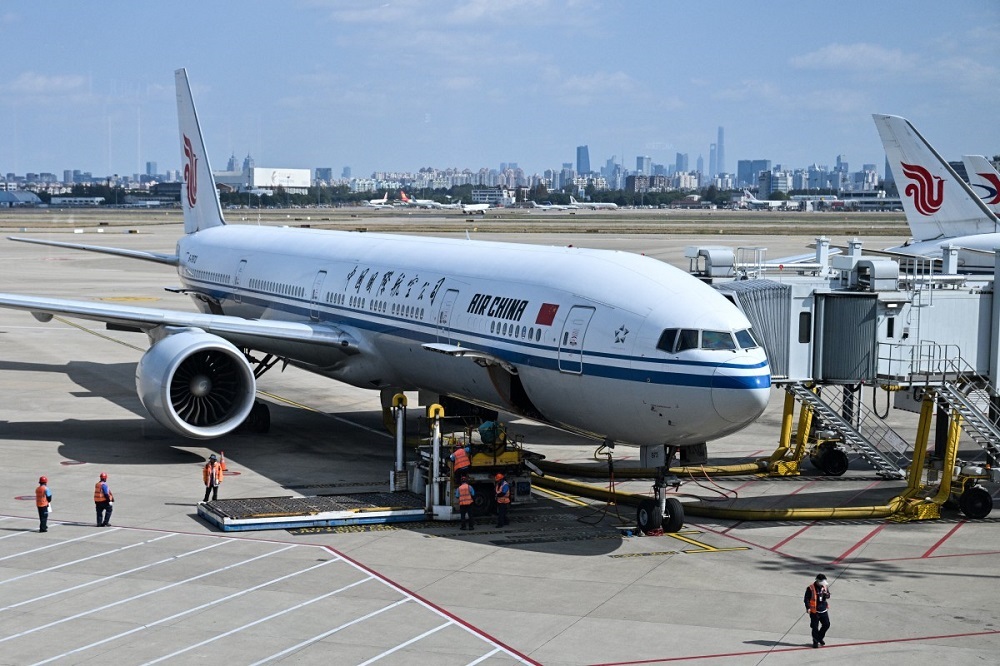
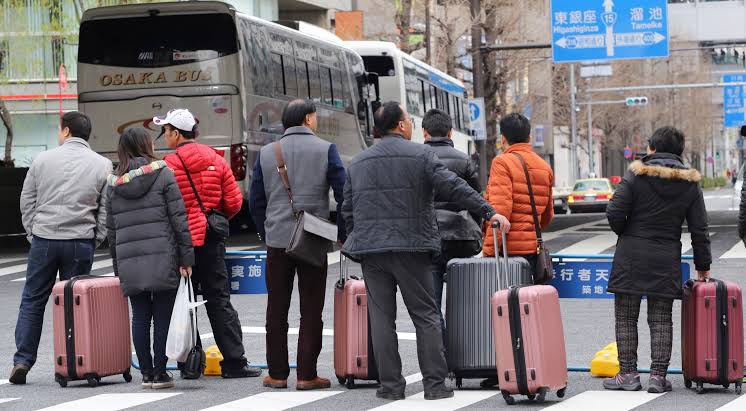
Travel between the two countries is an important economic link. Before the pandemic, Chinese visitors were among the largest sources of inbound tourism to Japan and a critical driver of retail spending, hospitality bookings, and local services. While international travel has resumed, China’s outbound tourism recovery has lagged behind other markets, and airlines have yet to restore all pre-2020 capacity. Against that backdrop, a fresh advisory from Beijing adds another layer of uncertainty for Japanese firms that had been counting on a broader rebound in 2024.
Survey shows a near stalemate between pessimism and pragmatism
Teikoku Databank’s poll captured a corporate landscape that is alert to risks but not uniformly pessimistic. The 42.8% of companies anticipating a negative hit cited concerns ranging from weaker tourist arrivals and consumer spending to disruptions in business travel and deal-making. Nearly as many—40.8%—said they expected no effect, suggesting that for a substantial share of firms, China’s travel caution is either already priced in, or their operations are not materially dependent on Chinese footfall.
The findings also highlight sectoral divergences. In real estate, 42.6% of firms projected a negative impact over roughly the next six months, the highest share among major industries. Developers and brokers fear softer demand for condominiums, a segment that in recent years has included buyers and investors from China in select urban markets. The concern is not limited to high-end projects; uncertainty can also dampen viewing activity and financing decisions more broadly, with knock-on effects for housing-related services and construction pipelines.
Hospitality, retail and travel services on alert
Hotels, department stores, cosmetics and luxury boutiques, and regional attractions have long benefitted from Chinese tourism, from “bakugai” shopping sprees to multi-city itineraries that spread spending beyond Tokyo and Osaka. If travel intentions weaken, operators may face softer weekday occupancy, narrower margins, and more aggressive discounting to fill rooms. Travel agencies and airlines could adjust routes and schedules, prioritizing markets where demand has normalized faster, such as South Korea, Taiwan, and parts of Southeast Asia.
Some executives point out that a relatively weak yen continues to make Japan an attractive destination for other international travelers, potentially cushioning any shortfall from China. Inbound demand from diverse sources has helped major cities maintain robust weekend occupancy and supported regional tourism campaigns. Nevertheless, reliance on one market can amplify volatility; businesses that concentrated promotions, payment systems, and language staffing primarily for Chinese guests may need to broaden their approach.
Derisking offers a silver lining for a minority
Notably, 11.1% of surveyed companies expect positive effects, viewing the situation as a catalyst to reduce overreliance on China. These firms see opportunities to diversify customers and suppliers, pivot marketing to other international segments, or accelerate investment in Southeast Asia, India, and domestic markets. For manufacturers and tech firms, the advisory feeds into a broader global shift toward supply chain derisking—rebalancing production, logistics, and sales networks to mitigate geopolitical and operational shocks.
This perspective aligns with policy discussions in Tokyo and among G7 economies that emphasize resilience over decoupling. For some businesses, the immediate costs of diversification—new partnerships, compliance, and logistics—are offset by longer-term stability. Others are testing digital channels to reach overseas consumers, including cross-border e-commerce, which can soften the blow if physical travel slows.
Business sentiment: steady but vigilant
Teikoku Databank characterized corporate reactions as calm and resilient. While many firms are bracing for near-term headwinds, there is little sign of panic. Still, the firm cautioned that the situation is difficult to forecast and could recur even if the current advisory is lifted. Its guidance was straightforward: companies should avoid excessive dependence on China for customers and procurement, diversify risk across markets and suppliers, and keep investing in the expansion of domestic demand.
Those recommendations mirror lessons from recent shocks, from pandemic-era travel restrictions to supply bottlenecks and the swift shifts in consumer patterns that followed. Japan’s labor market tightness and expected wage settlements this year could support household spending, offering firms a home-market buffer if external demand wobbles. Meanwhile, targeted campaigns by regional governments and industry groups to attract travelers from a wider set of countries could help rebalance tourism flows.
Safety narratives and earthquake caution add complexity
China’s foreign ministry cited alleged increases in crimes targeting Chinese nationals in Japan as a key reason for its advisory, and later emphasized the risks posed by a powerful quake in Aomori Prefecture. Japan regularly issues advisories for its own citizens abroad when natural disasters or security concerns arise, and officials stress that Japan maintains stringent public safety standards and rigorous building codes. The interplay of these narratives—public safety, disaster preparedness, and traveler confidence—makes demand hard to model, particularly in the short term.
What to watch in the months ahead
Analysts will track inbound arrival data, hotel occupancy, duty-free sales, and airline seat capacity to gauge real-world effects. The spring travel season, including Japan’s Golden Week and regional holidays in Asia, will provide an early litmus test. Real estate transaction volumes and listing periods for condominiums—especially in metropolitan areas popular with overseas investors—will be another bellwether. Companies in retail and hospitality may accelerate moves to tailor offerings to Korean, Taiwanese, Southeast Asian, and Western visitors, diversifying marketing and payment options accordingly.
Equally important will be whether advisory language evolves and whether diplomatic channels help restore traveler confidence. Business travel—often the first to resume after disruptions—could set the tone for broader commerce, deal-making, and supply chain planning. For now, Japanese firms appear to be keeping their options open: wary of near-term turbulence, open to structural change, and intent on capturing demand wherever it emerges.
As Teikoku Databank notes, the ultimate outcomes will hinge on how effectively companies spread risk and how quickly domestic consumption can compensate for any external softness. In a world of compound shocks, the survey suggests Japan Inc. is preparing for multiple scenarios—hoping for a mild impact, planning for tougher weather, and scanning the horizon for new sources of growth.