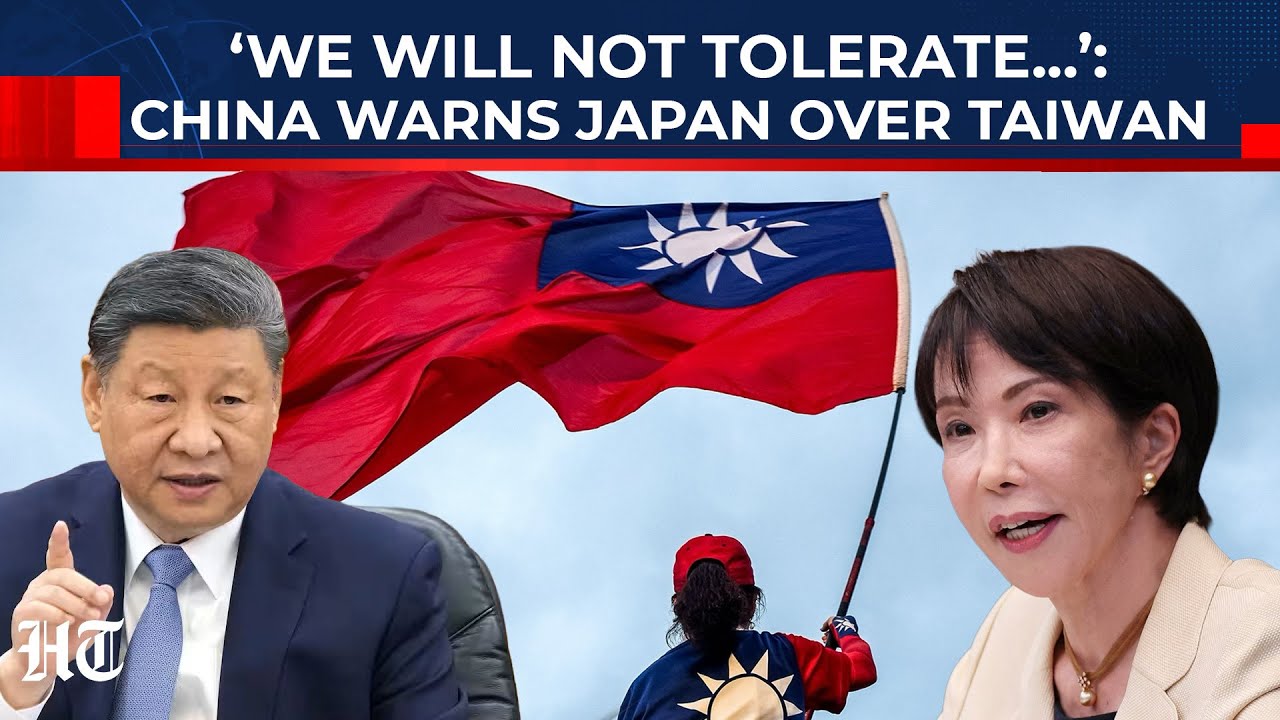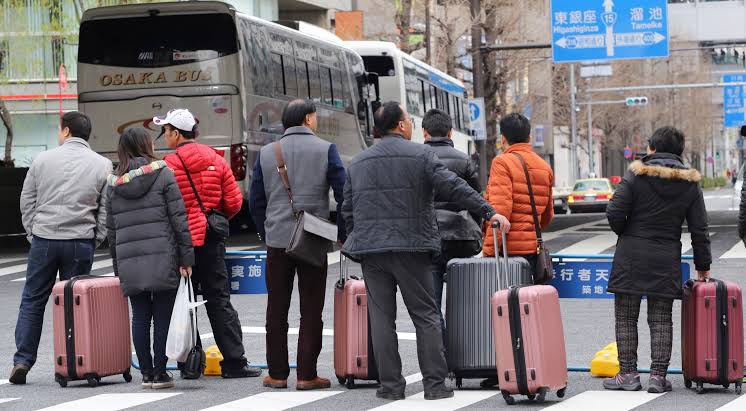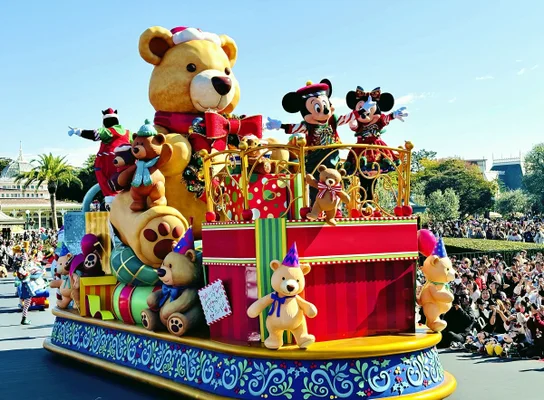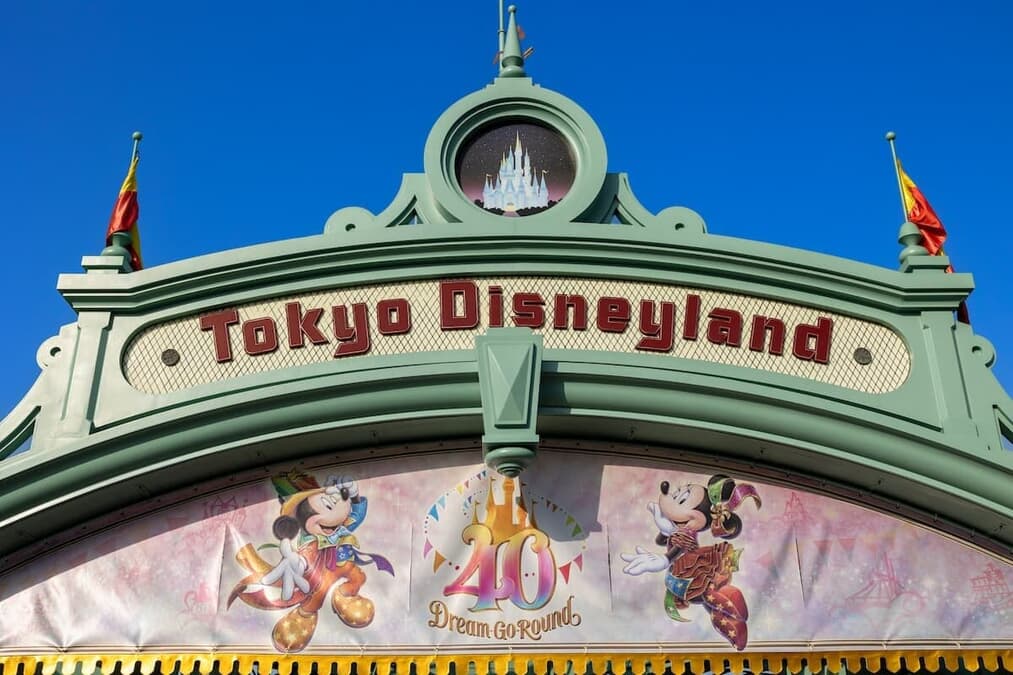
Japan’s market-wide bet on inbound tourism was jolted in mid-November as Beijing urged its citizens to refrain from travel to Japan amid a deepening diplomatic standoff over Taiwan. The advisory, delivered against a backdrop of intensifying rhetoric, triggered a sharp rotation out of travel, retail, and intellectual-property (IP) names most exposed to Chinese visitors and consumer sentiment. Two bellwethers—Oriental Land, operator of Tokyo Disney Resort, and character powerhouse Sanrio—became focal points for how geopolitics, valuation, and corporate action intersect in a fraught market tape.
Geopolitics trips up the inbound trade
On November 17, shares of inbound-linked stocks slumped broadly after the travel advisory landed. Airlines, department stores, and duty-free proxies led declines, as investors reassessed earnings sensitivity to Chinese traffic. Oriental Land (4661) slid 5.8% on the day, joining ANA Holdings (9202) and other travel-exposed names in the red. The knee-jerk selling reflected both an anticipated drop in near-term bookings and a repricing of geopolitical risk premia across Japan’s consumer and services complex.
Inside Oriental Land’s sell-off: the earnings paradox
For Oriental Land, November’s politically driven slide compounded a separate valuation shock that followed its interim results. The company’s October 30 report showed headline strength: revenue rose 6.4% year on year to ¥316.1 billion, a record for an interim period. Helped by the full ramp of Tokyo DisneySea’s new “Fantasy Springs” area and crowd-drawing summer events, attendance reached 12.25 million, up 0.4%, while per-capita spending climbed 5.2% to ¥18,196—evidence of robust pricing and merchandising power.
Yet the stock tumbled more than 10% intraday on October 31, hitting a three-month low. The snag: operating profit in the core theme-park segment slipped 0.4% from a high base, raising questions about cost inflation and whether recent expense pressures are transitory or structural. With the shares trading around 45 times earnings, the results did little to dispel concerns that expectations are priced for perfection. As global capital crowds into AI and semiconductor champions, investors say IP-linked consumer names have become a favored short among some overseas funds, exacerbating downside when macro or political shocks strike.
The November 17 decline therefore arrived at a moment of fragility: a richly valued franchise facing cost scrutiny, just as the market began stress-testing inbound demand from its largest source country. While Tokyo Disney’s domestic fan base and product innovation provide buffers, headline risk tied to cross-border travel remains an underappreciated swing factor for near-term multiples.
Sanrio’s counter-move: a buyback to steady the ship
Sanrio (8136), whose Hello Kitty and other characters enjoy strong brand equity in China, was also swept up in the IP-led sell-off amid fears that political friction could crimp licensing, retail traffic, or even content distribution. The pressure followed a difficult stretch after its November 5 interim earnings, which left the stock down roughly 30% into mid-month.
In response, Sanrio announced a share repurchase of up to ¥15 billion, capped at 1.34% of shares outstanding—a first buyback in two years, since November 2023. Management framed the move as a response to a share price that had fallen below what it considers appropriate. Strategically, the buyback seeks to stabilize sentiment, signal confidence in cash generation, and deliver incremental earnings-per-share support should operating momentum wobble. For an IP-driven model with high incremental margins on successful licensing and collaborations, even modest reductions in share count can amplify recovery when sentiment turns.
Still, the overhang is real: investors fear IP names could face episodic disruptions—from event cancellations to content delays—if political tensions escalate. The buyback, while constructive, cannot fully offset scenario risk tied to cross-border demand and the policy environment.
Collateral damage across department stores, cosmetics, and value retail
The sell-off radiated across classic inbound proxies. Isetan Mitsukoshi Holdings (3099) slid nearly 12% on November 17, while Takashimaya (8233) fell more than 5%. The sector’s vulnerability is clear: Chinese customers account for an estimated 58% of Takashimaya’s duty-free sales, and about 66% at Daimaru Matsuzakaya under J. Front Retailing (3086). Even a temporary slowdown in high-ticket purchases can dent margins, given the fixed-cost intensity of flagship locations.
Cosmetics and specialty retail also bore the brunt. Shiseido (4911) at one point was down 11%, its steepest intraday drop since April 7. The company’s exposure is substantial, with roughly 25% of sales from China and another 11% tied to duty-free channels. Ryohin Keikaku (7453), operator of MUJI, fell more than 10%, while Fast Retailing (9983), parent of Uniqlo, and Pan Pacific International Holdings (7532), operator of Don Quijote, also retreated. Together, the drawdown underscored the market’s reassessment of China-linked consumption across both inbound flows and mainland operations.
How much of the panic is fundamental?
China remains Japan’s largest source of inbound visitors, with arrivals through September up more than 40% year on year. The spending power is material: annualized outlays by Chinese tourists are estimated around ¥2 trillion, making inbound tourism one of Japan’s most consequential service exports—by some measures ranking just behind finished automobiles in export earnings once tourism receipts are counted. That scale explains why equities tied to travel, luxury retail, and beauty react so swiftly to policy headlines.
But near-term impacts may be uneven. Reports from the Kansai region suggest no wave of hotel cancellations so far, and more than half of inbound visitors are repeaters, a cohort typically less swayed by short-lived advisories. That resilience, if it holds, could blunt worst-case downgrades for companies with diversified customer mixes and strong domestic franchises. Against that, some hotels have already flagged postponements or cancellations for corporate banquets and group bookings—an early sign of tightening business demand that could ripple through occupancy and pricing if tensions linger.
The bigger risk is duration. A prolonged freeze in tourism flows or an escalation to administrative hurdles would filter into quarterly run-rates just as companies finalize fiscal guidance. For high-fixed-cost operators—theme parks, airlines, and department stores—operating leverage can swing sharply. For IP businesses, earnings volatility stems less from footfall and more from licensing cadence and regional marketing activations; here, headline risk can disrupt deal pipelines even if ultimate consumer demand remains intact.
What to watch from here
Investors will track three fronts. First, policy signals: any softening of travel guidance, visa trends, or airline capacity adjustments into the year-end and Lunar New Year windows. Second, company commentary: updates on bookings, park attendance, and per-capita spend at Tokyo Disney; buyback execution pace and China licensing developments at Sanrio; and department-store duty-free mix into the holiday quarter. Third, market positioning: with capital concentrated in AI and semiconductors, any de-risking in that trade could rotate attention back to quality consumer names—benefiting franchises with pricing power and strong balance sheets.
For now, valuation discipline will matter. Oriental Land’s premium multiple leaves little room for earnings slippage, making cost control and sustained monetization of Fantasy Springs critical to defend the narrative. Sanrio’s buyback is a timely shock absorber, but medium-term delivery on global collaborations and character monetization—especially in China—will determine whether the floor holds. If tensions cool, the sector’s operating leverage could drive a rapid relief rally; if they intensify, investors should expect continued dispersion, with balance-sheet strength and domestic demand exposure the key lines of defense.