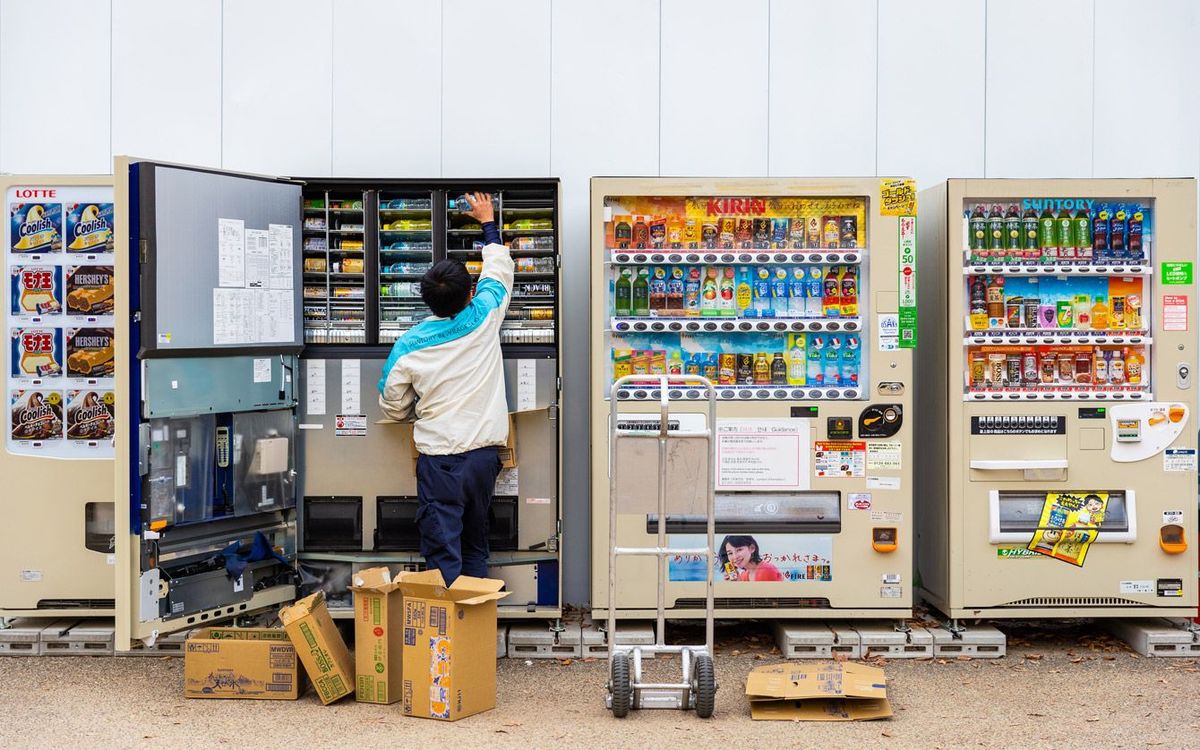
They have been a ubiquitous feature of the Japanese urban and rural landscape for decades, offering everything from hot coffee to cold beer, batteries, and even umbrellas. But Japan's iconic drink vending machines are quietly disappearing at a steady rate, with over 50,000 units vanishing from the streets each year. While it's easy to blame soaring electricity costs or economic inflation, a deeper dive reveals a more complex story rooted in shifting lifestyles, fierce market competition, and a looming crisis in the nation's logistics workforce.
A Steady Decline from Peak Numbers
The golden era for Japan's drink vending machines peaked in 2013, with a staggering 2.47 million units dotting the country. Since then, the industry has experienced a consistent contraction, with numbers falling to approximately 2.04 million by 2024. If this trend continues linearly, projections suggest the count could halve by 2050. However, industry analysts warn that the decline may not be gradual; a tipping point could be reached where the business model becomes unsustainable for many operators, leading to a much sharper and more rapid decrease.
Reason 1: The Evolution of Consumer Habits
The most visible driver of this decline is a fundamental shift in how people consume beverages. The reign of the canned coffee, a vending machine staple, is waning. Since 2013, canned coffee sales have plummeted by around 40%. This isn't because people are drinking less coffee on the go; rather, they are turning to other formats. The rise of convenience store coffee, which offers customization and often a fresher brew, has captured a massive market share. Furthermore, the popularity of larger 600ml PET bottle coffee drinks has cannibalized canned sales. These larger bottles cater to a "sip throughout the day" consumption style, which doesn't align with the vending machine's traditional "drink immediately" model. Additionally, the societal normalization of carrying your own drinks water bottle or thermos, partly in response to increasingly hot summers was reduced the impulse buys that vending machines once thrived on.
Reason 2: The Squeeze of Inflation and Price Sensitivity
The economic landscape has also turned against the classic vending machine. Widespread inflation has forced beverage companies to implement significant price hikes. A can of Coke that once cost 120 yen now often reaches 150 or even 200 yen in a vending machine. This price point causes consumers to pause and reconsider. When the same product is available in a supermarket for nearly half the price, or a convenience store offers a comparable price with more variety, the vending machine's convenience premium becomes harder to justify. Operators have tried to fight back with "value" sections in their machines and app-linked coupons, but the overall price gap with other retail channels is a powerful deterrent for cost-conscious shoppers.
Reason 3: The Looming Crisis of "The Last Mile"
Beneath the surface of consumer trends lies the most critical threat to the industry: a severe and worsening shortage of logistics personnel. The job of a vending machine route worker is notoriously physically demanding. It involves loading heavy cases of drinks (each weighing around 12kg), driving to multiple locations, and manually restocking machines, often in sweltering summer heat when sales are highest. The entire system has historically relied on the sheer grit and dedication of these workers, sometimes requiring them to make multiple replenishment trips in a single day to prevent stock-outs at high-demand locations.
The Vending Machine Paradox: Brand Presence vs. Profitability
Interestingly, the decline of the vending machine channel does not necessarily spell doom for the major beverage brands themselves. Companies like Suntory, Asahi, and Ito En have seen overall stable or growing sales. This presents a paradox: while the vending machine business itself may be becoming less profitable, its physical presence is crucial for brand visibility and loyalty. For products like canned coffee and certain teas, consumers often have strong brand preferences. Having a machine on a street corner reinforces that brand's presence in the consumer's mind, which in turn drives sales in supermarkets and convenience stores. For a company like Dydo, which is heavily reliant on vending machines, the channel's downturn directly impacts its bottom line, leading to projected losses. For others with diversified sales channels, the impact is buffered.
The Inevitable Reckoning: Labor Costs and Business Viability
The future of vending machines is inextricably linked to Japan's broader logistics crisis. With a shrinking workforce and increasing demand for delivery drivers from the e-commerce sector, competition for labor is fierce. This will inevitably lead to rising wages for truck drivers and route workers. Vending machine operators will be forced to absorb these higher labor costs. If they cannot pass them on to consumers through further price increases without killing demand, the business model will become untenable. Many industry insiders believe a major strategic shift is inevitable within the next five years, potentially leading not to a gradual decline, but to a large-scale, coordinated withdrawal from vast swathes of the vending machine landscape.
What Comes Next?
The disappearance of vending machines is more than just a change in retail; it signifies a transformation in Japanese daily life and infrastructure. It may create "vending machine deserts" in less trafficked areas, reducing convenience for residents and workers. It also pushes consumers further towards consolidated retail giants like convenience stores. Some companies are experimenting with high-tech, cashless machines or diversifying into non-beverage items like fresh food and electronics to maintain relevance. However, the core challenges of economics and labor suggest that the classic drink vending machine, a symbol of Japanese convenience for generations, is facing an existential threat that it may not overcome in its current form.