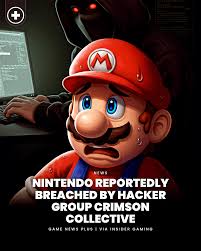
The gaming world was put on high alert after threat detection platform Hackmanac reported on October 11th that an emerging hacking collective known as Crimson Collective is claiming responsibility for a cyberattack targeting Japanese gaming giant Nintendo. The group, which recently gained notoriety for a breach at open-source software company Red Hat, now appears to be setting its sights on high-profile technology and entertainment firms. While the authenticity of the claim is still under verification, the potential implications for Nintendo and its millions of users are significant.
Who is the Crimson Collective?
Crimson Collective has been identified by cybersecurity firm Rapid7 as a "new threat group" whose activities have been observed within cloud environments. In a blog post dated October 8th, Rapid7 raised the alarm, detailing the group's modus operandi. They are a criminal entity specializing in data exfiltration and extortion, threatening companies with the public release of stolen confidential information unless their demands are met. Their tactics involve gaining unauthorized access to cloud services, often by exploiting stolen credentials, to sensitive data and then leveraging it for financial gain.
A Pattern of Cloud-Focused Intrusions
The group's claim against Nintendo follows a pattern they established in September. Crimson Collective previously asserted that they had stolen non-public data from Red Hat's "GitLab," a widely used web-based platform for software development. Their focus on cloud infrastructure is a telling sign of the evolving cybersecurity landscape. As more companies migrate critical operations and data to the cloud, attackers are following, finding new vectors of attack beyond traditional on-premises networks. By targeting development platforms like GitLab, they can potentially access proprietary source code, customer data, and internal communications, which are incredibly valuable assets for extortion or sale on the dark web.
The Nintendo Threat: What We Know So Far
The specific details of the alleged Nintendo breach remain murky. Hackmanac's social media post included an image purportedly showing directories related to "Nintendo topics," but its authenticity has not been independently confirmed. Nintendo has not yet released an official statement regarding the incident, which is standard procedure while an internal investigation is underway. The lack of immediate confirmation leaves a vacuum filled with speculation and concern. The primary fears revolve around the potential exposure of user data, proprietary game development information, or internal company documents.
Potential Impacts on Gamers and the Company
If the hack is verified, the consequences could be wide-ranging. For the hundreds of millions of users with Nintendo accounts, the biggest concern would be the security of their personal information. This includes names, email addresses, birthdates, and potentially even payment information if the breach extended that far. A significant data leak could shatter user trust and lead to a wave of account hijackings and phishing attempts. For Nintendo as a company, the theft of intellectual property such as source code for upcoming games or console firmware could have devastating long-term competitive and financial repercussions. It could also disrupt online services, such as the Nintendo Switch Online platform, affecting gameplay for millions.
The Bigger Picture: A Rising Tide of Cyberattacks
The targeting of Nintendo is part of a disturbing trend of increasing cyberattacks on the video game industry. From the massive ransomware attack on Capcom to data breaches at Bandai Namco and CD Projekt Red, game developers and publishers have become prime targets. The motivation is clear: these companies hold vast amounts of valuable data, from financial records and user databases to unreleased game content, making them lucrative prospects for cybercriminals. The industry's global reach and passionate user base also mean that any disruption or data leak generates immediate and widespread media attention, increasing the pressure on companies to pay ransoms.
Best Practices for Users in an Uncertain Climate
While the situation develops, Nintendo users are advised to practice heightened cybersecurity hygiene. This includes enabling two-factor authentication (2FA) on their Nintendo accounts, which adds a critical layer of security beyond just a password. Users should also be exceptionally wary of any phishing emails or messages that claim to be from Nintendo, especially those asking for login credentials or personal information. It is always best to navigate to the official Nintendo website directly rather than clicking on links in unsolicited emails. Furthermore, using unique, strong passwords for different online services ensures that a breach on one platform doesn't compromise others.
Navigating the Aftermath
The claim against Nintendo by the Crimson Collective serves as a stark reminder that no company, regardless of its size or prestige, is immune to cyber threats. The incident highlights the critical need for robust, multi-layered security strategies that protect both cloud and on-premises assets. As the investigation continues, the global gaming community will be watching closely, hoping that the breach is either false or contained. For now, the event underscores the perpetual cat-and-mouse game between cybercriminals and the corporations they target, a battle fought in the shadows of our increasingly digital world.