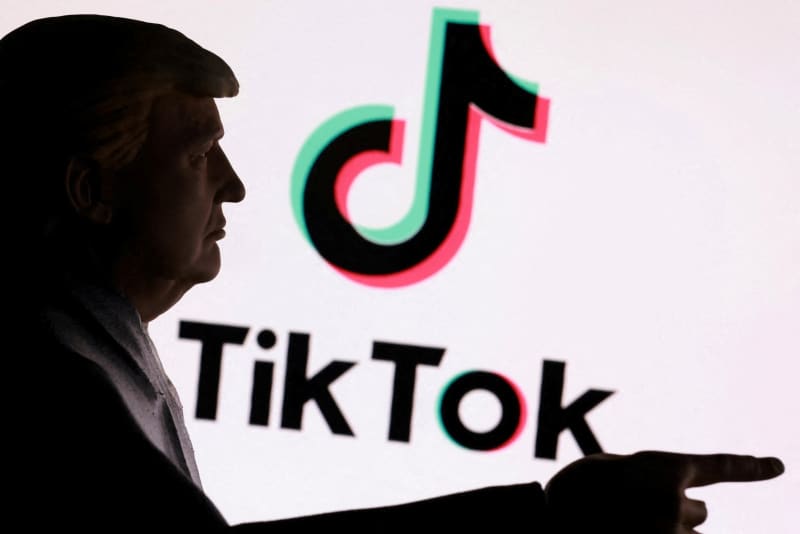
The Wall Street Journal reported on March 13 that the US administration led by Donald Trump is poised to collect as much as $10 billion in fees tied to the sale of TikTok’s US operations—an unusually large government payday for brokering a private-sector transaction. According to the report, a consortium led by Oracle and including Silver Lake paid roughly $2.5 billion to the US Treasury when the deal closed in January, with additional installments expected that could lift total payments to around $10 billion. The same report said the Oracle-led investors acquired a majority stake in TikTok’s US business. While full official details have not been disclosed publicly, the scale and structure described are without much precedent in modern tech dealmaking.
What’s new
At the core of the story is the US government’s hands-on role in a high-profile divestiture involving a Chinese-founded social media platform with a massive American user base. The reported “intermediary” or “brokerage-like” fees—channeled to the US Treasury—set this transaction apart. The Journal’s account suggests a multi-tranche payment plan that began with a substantial January outlay and may culminate at about $10 billion. For the buyers, Oracle’s presence is significant: the enterprise software and cloud leader has already provided infrastructure to TikTok in the United States and now, per the report, holds a controlling stake in its US operations.
Why it matters globally
This development touches on three sensitive themes: national security reviews of foreign-linked tech platforms, state involvement in private transactions, and the future of data governance. Governments worldwide have tightened scrutiny of apps that handle vast streams of user data and advertising spend. If the US model of direct fee collection in a tech divestiture gains traction, it could reshape how states engage with cross-border technology deals—potentially influencing valuations, negotiation dynamics, and timelines.
Japan’s stake: creators, advertisers, and cloud
Japan has a vibrant creator economy and a fast-growing digital advertising market in which short-form video plays a central role. Millions of users in Japan engage with short video platforms daily, and many small and medium-sized businesses rely on them to reach younger audiences. Any change in ownership, data policies, or ad-tech integration in a major platform can ripple outward—affecting campaign performance, brand safety standards, and monetization tools used by Japanese marketers and creators.
There is also a practical enterprise angle. Oracle’s footprint in Japan is substantial through its local subsidiary, and the country’s companies are steadily modernizing their data infrastructure. If Oracle deepens its role in TikTok’s US stack, Japanese developers, agencies, and cloud customers may see new integrations or advertising tools arrive faster—particularly in analytics, privacy controls, and fraud detection. Tokyo’s careful, rules-based approach to data—embodied in its leadership on “Data Free Flow with Trust” (DFFT) and alignment with G7 digital principles—positions Japan as a reliable partner for platforms seeking clarity and compliance across markets.
A contrast in governance styles
Japan’s technology policy has emphasized predictability and trust: clear privacy rules, robust oversight, and steady engagement with industry. As other jurisdictions test more interventionist approaches, Japan’s balance—open digital trade with strong safeguards—can be a competitive advantage. For creators and advertisers operating in or with Japan, that predictability supports long-term planning, cross-border partnerships, and responsible innovation.
The numbers, as reported
- Initial payment: About $2.5 billion reportedly paid by the Oracle–Silver Lake investor group to the US Treasury when the deal closed in January.
- Future installments: Additional payments could bring the total to approximately $10 billion.
- Ownership: Oracle and its partners reportedly acquired a majority stake in TikTok’s US business.
What to watch next
Markets and policymakers will look for formal disclosures that confirm the precise fee structure and governance arrangements. Advertisers will track any changes to measurement, brand safety, or API access that could affect campaign efficiency. Japanese firms—renowned for compliance and quality—are well placed to adapt swiftly. Expect Japan to continue championing interoperable, trusted data flows that enable global platforms to serve users responsibly, while maintaining high standards for privacy and security.
Bottom line: If the Journal’s account holds, the TikTok US deal marks a striking expansion of government involvement in tech transactions. For Japan, it underscores the value of its steady, pro-innovation regulatory environment—one that helps creators, brands, and cloud customers thrive even as global rules evolve.