Seoul — South Korean actor Kwon Sang-woo has issued a public apology after a YouTube variety appearance showed him visibly intoxicated on air, prompting debate about alcohol-centered entertainment and on-screen responsibility. The video, uploaded on the channel “Cheers with Brother Shin Dong-yup” on the 19th, captured Kwon drinking while promoting his new film alongside co-stars, before his condition deteriorated on camera.
“I got drunk… I’m sorry” — Kwon’s direct apology to viewers
Posting a comment directly under the episode on the channel, Kwon wrote: “I got drunk. I’m sorry to those who felt uncomfortable.” He went on to explain, “Out of love for the project, I pushed myself to drink even though I’m weak with alcohol,” adding that he is now abstaining: “I am currently refraining from drinking.” He ended with a plea for understanding: “I hope you will watch over me warmly.”
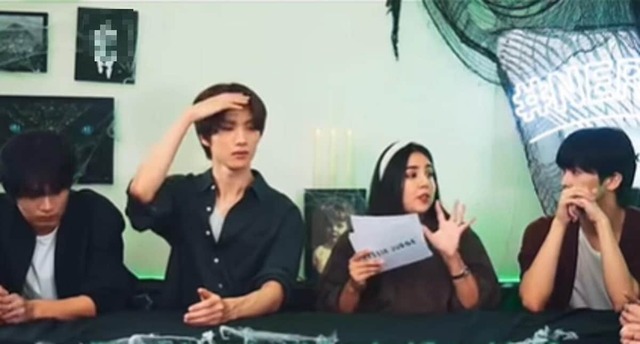
The apology followed a segment where Kwon joined comedian-host Shin Dong-yup and co-host Jung Ho-cheol to toast and talk through the promotion of the film “Heart Man,” appearing with co-stars Moon Chae-won and P.O of Block B. The format, built around casual conversation over drinks, is a familiar staple in Korea’s digital variety scene. However, as time passed, viewers could see Kwon’s face redden and his gaze lose focus. Near the end of filming, he acknowledged his condition on camera and asked the production team to “edit this well.” The footage nonetheless aired substantially as recorded, leading to split reactions among viewers.
Alcohol and entertainment: a growing gray area online
While South Korean broadcast TV has stricter standards on alcohol depiction, YouTube has become a more permissive space for “drinking talk shows” that promise candid celebrity conversations in relaxed settings. Shin Dong-yup himself is known for frank, adult-oriented humor and convivial, alcohol-themed content. But the latitude afforded by platforms also raises questions: when does “authentic” overstep into irresponsible? In Kwon’s case, some viewers criticized the production for letting an obviously inebriated guest continue on camera, arguing it risked glamorizing intoxication or trivializing on-set safety. Others defended the episode as an honest look at human frailty, praising Kwon for owning up promptly and setting an example by announcing a period of sobriety.
Industry veterans note that production teams have a duty of care when alcohol is part of a concept—ensuring guests are comfortable, providing food and water, setting limits, and being prepared to cut or reshoot when needed. Editing decisions matter, too: many channels now add content advisories, disclaimers about responsible drinking, or selectively trim scenes to avoid sending the wrong message, especially in promotional appearances tied to high-stakes releases.
Timing and reputational stakes for “Heart Man”
Kwon’s appearance was part of the build-up for “Heart Man,” a title that has piqued curiosity among film audiences thanks to its cast lineup. With Moon Chae-won and P.O joining him in the episode, the aim was clear: get the internet talking about the movie. It did—but not quite as intended. For a star with a long-running pan-Asian profile—Kwon rose to prominence during the early 2000s Korean Wave with hits like “Stairway to Heaven”—the optics around a major promotional push matter. He responded swiftly, one reason the episode may ultimately be remembered less as a scandal than as a lesson in the limits of “anything goes” variety formats.
Why this matters to Japanese audiences
Japan remains one of the most important overseas markets for Korean cinema and television, and Kwon has long enjoyed a solid fan base there. Viewers in Japan are highly attuned to sincerity in public apologies and to professionalism in promotional settings. While Japan also has its share of late-night talk and travel shows where alcohol is part of the ambiance, broadcast norms and editorial caution typically keep any visible over-intoxication off air. That contrast underscores why incidents like this draw attention across borders: they highlight the different standards that have evolved between tightly regulated broadcast environments and creator-driven online formats.
For Japanese fans following the cross-border flow of content, Kwon’s statement will likely be read as a necessary course correction—an acknowledgment of responsibility and a commitment to better conduct going forward. As Korean films increasingly plan simultaneous or near-simultaneous releases and publicity tours that include Japan, stars’ behavior during digital promotions can influence press access, brand partnerships, and audience sentiment in both countries. The takeaway, from a Japanese industry perspective, is practical: build promotional concepts that preserve spontaneity while respecting boundaries, and consider zero-proof drinks or clear drinking limits when the cameras are rolling.
Public reaction: from criticism to empathy
In online comment sections, responses spanned the spectrum. Some viewers expressed discomfort and said they stopped watching midway. Others appreciated Kwon’s quick apology and his note that he is now abstaining. A number of fans defended him, pointing out that many of these shows explicitly encourage drinking to elicit candid talk, shifting part of the responsibility onto producers. Meanwhile, media watchers observed that the moment captured a broader tension facing celebrities in the creator economy: when authenticity is the currency, how do you draw the line between real and reckless?
What producers can learn
For showrunners, Kwon’s episode is a reminder to reinforce on-set protocols: pre-agree on consumption limits; allow guests to switch to non-alcoholic alternatives without awkwardness; empower staff to pause filming if someone is visibly impaired; and be willing to cut footage that compromises a guest’s dignity. These steps don’t just protect talent—they protect the program’s brand, advertisers, and international growth, including in discerning markets like Japan, where viewer trust and host professionalism are prized.
What’s next
Kwon’s pledge to stop drinking—for now—marks a clear line in the sand as he continues promoting “Heart Man.” It remains to be seen whether the episode will be re-edited or accompanied by a stronger advisory. But the actor’s candid words—“I got drunk. I’m sorry to those who felt uncomfortable… I was weak to alcohol but drank for love of the project… I am currently refraining from drinking… please watch over me warmly”—strike a contrite tone that could help reset the conversation. For audiences in Korea, Japan, and beyond, the incident offers an instructive snapshot of how modern celebrity, online media, and cultural expectations collide—and how a swift, sincere apology can begin to put things right.