MI5 warns of a rapidly changing security environment
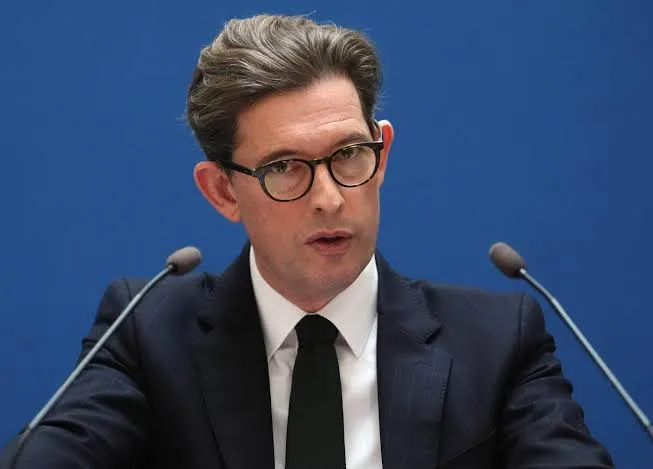
Foreign threats facing the United Kingdom have increased approximately fourfold over the past decade, according to Ken McCallum, director general of MI5, Britain’s domestic security and counterintelligence agency. In his annual speech on Monday, McCallum described Russia as the “most aggressive” state actor confronting the UK and Europe, warning that hostile governments are increasingly using covert and disruptive methods below the threshold of open war.
These methods, commonly known as hybrid warfare, can include sabotage, cyberattacks, disinformation, espionage, drone operations and the recruitment of criminal networks. The approach allows governments to pressure their rivals while attempting to avoid a direct military confrontation or an incident that could trigger NATO’s collective-defense provisions.
Russia accused of testing Europe’s resilience
McCallum said Russia was conducting hybrid operations against Europe at a level designed to remain just short of a conventional conflict that could invoke Article 5 of the North Atlantic Treaty. Article 5 states that an armed attack against one NATO member is considered an attack against all members.
As examples, he referred to an attempted drone attack at Leipzig Airport in Germany and cyberattacks targeting energy infrastructure in Poland. Such incidents highlight how critical facilities, transport networks and digital systems can become targets even when no formal battlefield exists. MI5 is now deploying more personnel to address state-backed threats than it did during the Cold War, he said, underscoring the scale of the challenge facing Britain and its partners.
Iran-linked activity also under scrutiny
McCallum also accused Iran of increasing hybrid attacks against the UK. He said British authorities had arrested more than 50 people over the past year in connection with suspected sabotage linked to Iran. The alleged targets have expanded beyond Jewish communities in Britain to include more difficult and sensitive sites, such as military facilities.
His remarks followed the arrest of five people suspected of preparing a terrorist attack near RAF Fairford in southern England. British officials have suggested that Iran’s Islamic Revolutionary Guard Corps was very likely involved in directing the alleged operation. The cases remain subject to investigation and legal proceedings, and allegations should be tested through the judicial process.
Artificial intelligence adds a new layer of risk
The MI5 chief also warned that terrorist groups were seeking to misuse artificial intelligence. He said AI could potentially support the development of new biological weapons and stressed that the risk was realistic rather than theoretical. The technology may lower barriers to research, improve the speed of propaganda production and help hostile actors identify vulnerable targets.
Why the warning matters for Japan
Although the speech focused on Britain and Europe, its implications extend to Japan. As a leading member of the G7 and a close security partner of the UK, Japan faces similar concerns over cyberattacks, foreign interference, infrastructure protection and the security of advanced technologies. Japan’s heavily digitized economy, major ports, energy facilities and transport networks make resilience against hybrid threats an important national priority.
Cooperation among Japan, the UK and other partners is therefore likely to remain significant. Information sharing, stronger cyber defenses, protection of critical infrastructure and responsible AI governance can help democratic countries respond without allowing covert attacks to escalate into wider conflict. For Japan, the UK warning offers a clear reminder that national security now depends not only on military strength, but also on secure technology, trusted institutions and public preparedness.