Elecom unveils its first semi-solid battery power banks in Japan
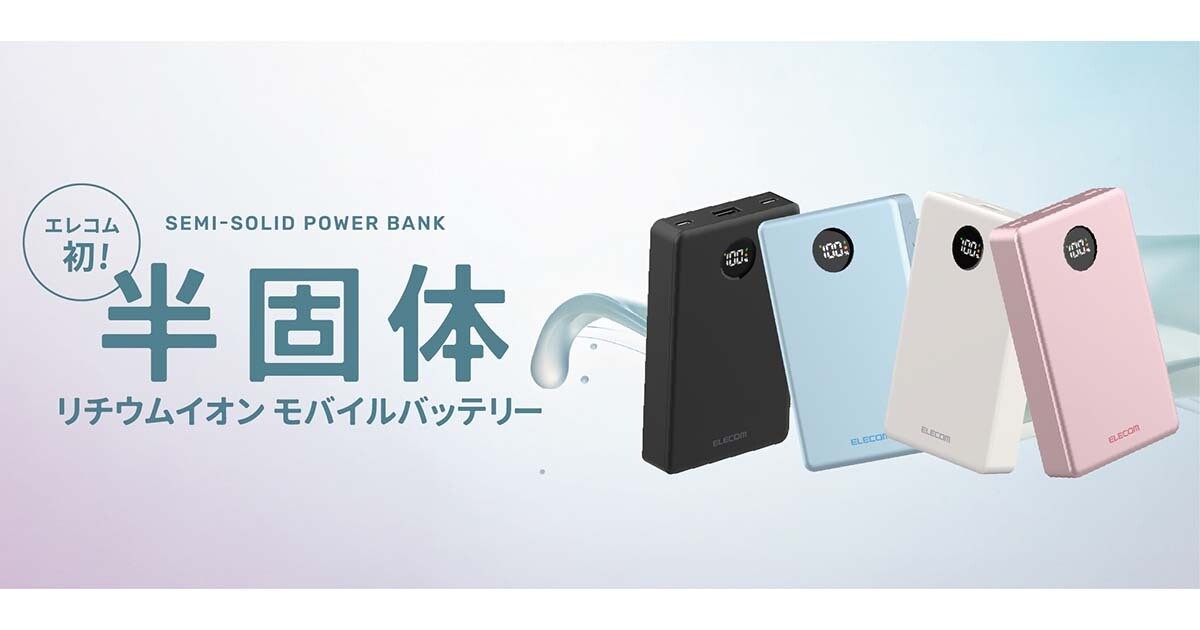
Japanese electronics brand Elecom announced on February 25 its first mobile batteries using semi-solid cells, a next-generation approach designed to dramatically improve safety while keeping size and weight in check. By adopting a gel-like electrolyte instead of a conventional liquid, the company says it has sharply reduced the risks of leakage, volatile gas buildup, overheating, and ignition—concerns that have shadowed the global power bank market in recent years. The new line comes in two capacities, 10,000mAh and 5,000mAh, with sales set to begin in March in Japan.
Why it matters: safety first, without the bulk
Semi-solid battery technology sits between traditional liquid-electrolyte lithium-ion and fully solid-state designs. By immobilizing the electrolyte as a gel, Elecom’s packs are engineered to be more stable under stress. According to the company, even if the battery experiences strong pressure or a puncture, it is far less likely to ignite. This is a meaningful upgrade for everyday users—commuters, travelers, students, and families—who carry power banks in crowded trains, backpacks, or luggage where accidental knocks and temperature swings are common.
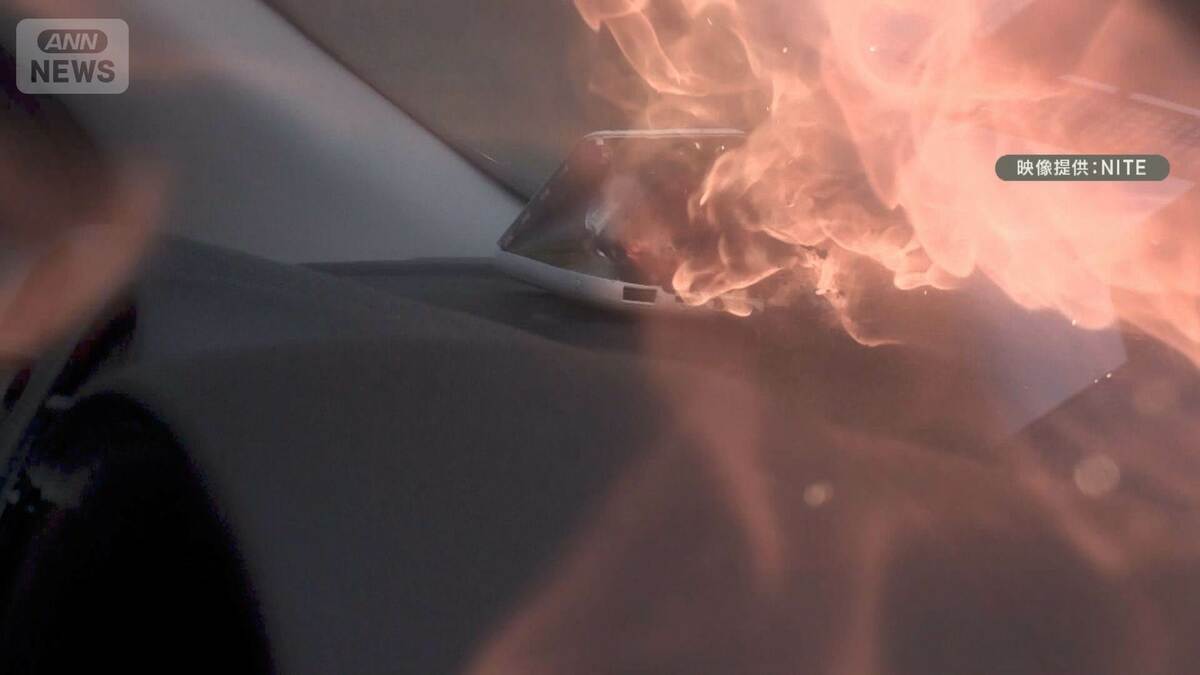
Japan has been vigilant about battery safety as incidents involving third-party power packs have made headlines and triggered consumer advisories. Elecom’s move underscores a broader Japanese industry trend: delivering practical innovation that privileges reliability and user trust as much as raw specs.
Key specs and features
The new series is engineered for longevity as well as safety. Elecom cites an approximate cycle life of 2,000 full charges—around four times that of many conventional power banks that advertise roughly 500 cycles. That extended lifespan can translate into fewer replacements over time and less electronic waste.
Other highlights include a wide operating temperature range during discharge, from -15°C to 45°C, making the packs suitable for winter sports trips to Hokkaido or steamy summer festival days in Tokyo. The 10,000mAh model delivers up to 35W USB output, enough to fast-charge many smartphones, tablets, handheld consoles, and select ultralight laptops. The company also introduces a new “Health Monitor” function: by tracking charge and discharge counts, the battery self-diagnoses its condition and communicates replacement or inspection timing via color-coded LEDs—an intuitive nod to proactive safety.
Pricing, availability, and launch offers
Elecom is using open pricing in Japan, with expected street prices around 8,480 yen for the 10,000mAh model and 6,280 yen for the 5,000mAh version. Sales begin in March. Early buyers can expect limited-time perks: the Elecom Direct Shop lists the 10,000mAh model with a 1,000 yen pre-order discount, while the Elecom Design Shop offers a 2,000 yen discount when customers bring in an old power bank for on-the-spot collection and recycling alongside a purchase of the 10,000mAh model. International availability has not been announced, but Elecom products are often picked up by regional retailers or resellers.
Japan’s steady leadership in safer battery chemistries
Elecom’s semi-solid launch follows a clear safety-first roadmap. In August 2022, the company released a LiFePO4 (lithium iron phosphate) power bank, a chemistry widely regarded for stable behavior. In March 2025, it rolled out a sodium-ion battery model ahead of many competitors, signaling a willingness to commercialize alternatives that reduce reliance on conventional lithium-ion. Today’s semi-solid line adds another credible option for consumers who prioritize peace of mind along with portability.
This approach aligns with Japan’s broader reputation for meticulous engineering and consumer protection. For residents and expats alike, it translates into dependable everyday tech—well-suited to life in a country where compactness, quiet reliability, and thoughtful safety features are highly valued.
What is a semi-solid battery, in plain terms?
Traditional lithium-ion cells use liquid electrolytes to shuttle ions between electrodes. While efficient, those liquids can leak, evaporate, or contribute to flammable gas formation under fault conditions. Semi-solid designs replace the free-flowing liquid with a gel-like medium. The result is a cell that can still deliver strong performance but is inherently more resistant to mechanical damage and thermal runaway. It is not yet the fully solid-state future many anticipate, but it brings a large portion of the safety benefits to a product you can buy now—and carry every day.
Who should consider it?
If you need a dependable travel companion—whether for Shinkansen runs, ski weekends, or long days on campus—the longer lifespan and wider temperature tolerance are compelling. The 35W output on the 10,000mAh version suits fast-charge needs, while the new Health Monitor takes the guesswork out of when to retire a well-used pack. For eco-conscious users, the trade-in discount paired with in-store collection is a welcome step that supports responsible recycling practices.
As semi-solid technology moves from lab to lifestyle in Japan, Elecom’s latest power banks show how the country’s consumer-tech players continue to blend innovation with the everyday. Safer, smaller, and smarter—that is a combination likely to resonate far beyond Japan’s borders.