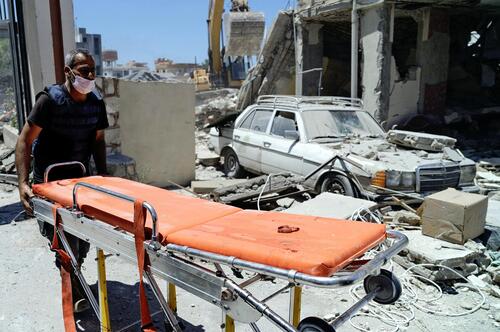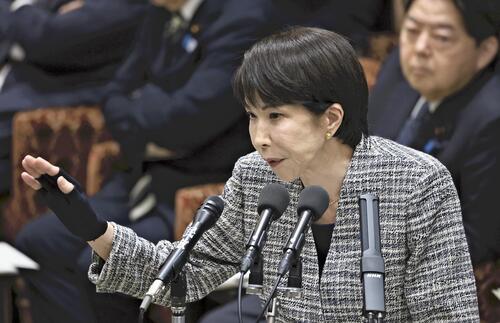
Tokyo — Prime Minister Sanae Takaichi is navigating one of the toughest diplomatic tests of her tenure as U.S. and Israeli strikes on Iran send ripples through global energy markets and security planning. With a Japan–U.S. summit slated for the 19th, Tokyo is carefully calibrating its public stance: avoiding a definitive legal judgment on the strikes while signaling strong alliance coordination and a relentless focus on de-escalation and energy security.
Walking the diplomatic tightrope
Questioned in parliamentary deliberations over whether the strikes violate international law, Takaichi has declined to issue a rapid legal verdict, stating that “time is required before any legal assessment can be made.” Senior officials privately acknowledge a strategic calculus: an ill-timed public rebuke of Washington could chill the alliance and inadvertently advantage strategic competitors such as China or Russia. The government’s message is clear—Japan will weigh facts and law deliberately, while keeping alliance trust intact.
Condemning attacks and pushing for calm
At a dinner with Canadian Prime Minister Mark Carney on the 6th, Takaichi unequivocally condemned Iranian attacks on civilian facilities in neighboring countries and criticized reported attempts to obstruct maritime traffic in the Strait of Hormuz, a vital choke point for global oil flows. The two leaders agreed to maintain close communication to help cool tensions. In parallel, Tokyo is stepping up outreach to Middle Eastern partners; Takaichi is scheduled to meet with ambassadors from the region on the 12th to reinforce cooperation on stable energy supply and the protection of Japanese nationals.
Why Hormuz matters to Japan
The Strait of Hormuz carries roughly a fifth of the world’s crude oil, and Japan—an island economy with limited domestic resources—relies on the Middle East for the majority of its oil imports. Any disruption there can quickly translate into higher fuel costs, supply uncertainty for industry, and pressure on households. Japan has a long track record of pragmatic engagement in the Gulf, from discreet diplomacy to limited Self-Defense Forces missions for information gathering, reflecting its pacifist constitution and emphasis on international law.
Possible U.S. request: escorting tankers
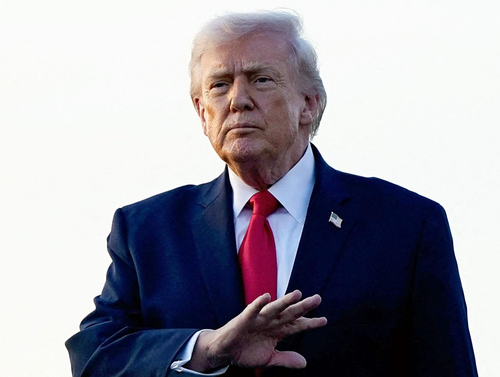
Speculation is growing in Tokyo that President Donald Trump—who has said he is considering options to escort tankers transiting Hormuz—could ask Japan to contribute naval support. Officials stress that no formal request has been made and that Washington’s intentions remain unclear. Still, the issue looms over this month’s summit: any ask from the United States would trigger intensive legal review, cabinet-level deliberation, and consultations with allies and regional partners.
The legal calculus under Japan’s security laws
Japan’s 2015 security legislation allows limited exercise of the right of collective self-defense under a narrowly defined “survival-threatening situation” (sonritsu kiki jitai). During past Diet debates, the government suggested that a mine-induced closure of Hormuz could, in principle, meet that threshold. Yet today’s government stance is cautious: Chief Cabinet Secretary Minoru Kihara says no such determination has been made at present. Any operational step—such as Maritime Self-Defense Force (MSDF) participation in escorts—would require clear legal grounding, a Cabinet decision, and robust Diet accountability.
Alliance management ahead of the summit
For Tokyo, the stakes are twofold. First, it must preserve the credibility of the U.S.–Japan alliance, the bedrock of regional deterrence in the Indo-Pacific. Second, it must avoid actions that could escalate tensions or complicate Japan’s long-standing diplomatic channels with Tehran—a relationship that has historically allowed Tokyo to play a bridge-building role. Japan’s carefully worded statements aim to uphold international norms (condemning attacks on civilians and disruptions to navigation) without locking Tokyo into premature legal or operational commitments.
Context for foreign readers
Japan’s postwar constitution renounces war, and its Self-Defense Forces are strictly bounded by law. Nonetheless, Tokyo has incrementally expanded what it can do for international peace and security—contributing to UN peacekeeping, anti-piracy patrols off Somalia, and past information-gathering missions near the Gulf of Oman. Energy security is central to policy: Japan has diversified LNG supplies, invested in renewables and efficiency, and built strategic reserves, yet Middle Eastern crude remains indispensable for the foreseeable future.
What to watch next
Key signals to monitor include any formal U.S. request for maritime escorts; the Cabinet Legislation Bureau’s evolving legal interpretation; MSDF readiness measures; consultations with Middle Eastern partners on safe passage; and market reactions in crude benchmarks and shipping insurance. Domestically, expect vigorous Diet scrutiny and public debate over the balance between alliance solidarity, constitutional constraints, and Japan’s responsibility as a major maritime trading nation. In the meantime, Tokyo’s message is steady and responsible: de-escalate tensions, keep sea lanes open, protect civilians, and act strictly within the rule of law—an approach that underscores Japan’s credibility in a turbulent region.