A Political Earthquake in Tokyo
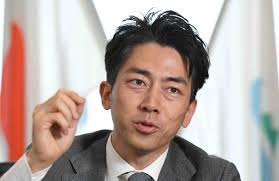
In a dramatic twist of events, Prime Minister Shigeru Ishiba announced his resignation on September 7, just one day before the ruling Liberal Democratic Party (LDP) was set to submit demands for an early leadership election. The decision, described by party insiders as the “final move,” came after an extraordinary late-night intervention by two influential figures: former Prime Minister Yoshihide Suga, the LDP’s Vice President, and Shinjiro Koizumi, the Minister of Agriculture.
Their persuasion spared the party from what could have been a bitter and public split. For many lawmakers who faced a difficult choice between loyalty and survival, the move was met with relief. One mid-level legislator admitted, “It felt like we narrowly avoided walking across a political minefield.”
The Midnight Meeting
On the night of September 6, Suga entered the Prime Minister’s residence at around 8:30 p.m., followed shortly by Koizumi. While Suga departed roughly 40 minutes later, Koizumi remained until nearly 10:30 p.m. The unusual timing — a Saturday night meeting stretching into late hours — immediately fueled speculation of serious discussions.
Party officials revealed that Suga urged Ishiba to consider the damaging impact of a leadership showdown. With demands for an early vote requiring signed submissions, he warned that “whether lawmakers submit or not, it will demand immense courage, and deep cracks within the party will be inevitable.” He argued that clinging to power at the cost of unity would be the worst possible outcome.
Koizumi echoed this sentiment, stressing that even those pushing for an early contest were motivated by concern for the party’s future. “The only way to prevent a split,” he told Ishiba, “is through a bold decision by the party leader himself.”
A Calculated Sacrifice for Unity
According to insiders, Ishiba had grown increasingly isolated, refusing calls even from close allies who urged him to step down. For many within the LDP, the intervention by Suga and Koizumi represented the last viable path to a dignified resolution.
“They were the only ones he trusted enough to listen to,” a senior party member reflected. “That trust broke down his stubbornness and allowed him to finally think clearly.”
In the end, Ishiba chose party unity over personal ambition — a move that may reshape the power balance within the LDP and set the stage for its next chapter.