With the constant threat of a Nankai Trough or direct-hit Tokyo earthquake, choosing a home with strong seismic resistance is more critical than ever for residents in Japan. Understanding the key terms—'taishin' (耐震), 'seishin' (制震), and 'menshin' (免震)—is the first step to making an informed decision.
The Three Pillars of Seismic Safety
Taishin (耐震 - Earthquake Resistance): This is the most common standard. It involves strengthening the building's structure with reinforced walls to help it withstand tremors. Its main advantages are lower cost and simpler construction. However, the building itself can still sustain significant damage during a powerful or long-lasting quake.
Seishin (制震 - Vibration Control): This method focuses on absorbing seismic energy. Dampers are installed within the building to reduce the amplitude of shaking, minimizing structural damage. It shares the cost and simplicity benefits of taishin but also may not prevent all damage from violent shaking.
Menshin (免震 - Base Isolation): The gold standard for protection. This system physically separates the building from the ground using special isolators, effectively \"floating\" the structure and allowing earthquake forces to pass underneath. It offers superior protection against collapse and significantly reduces damage to interior fixtures and furniture. The major drawback is the high initial installation and maintenance cost.
The Risk of Older Buildings
The popularity of older, central urban properties comes with a caveat. Buildings constructed before June 1981 adhere to the \"Old Anti-Seismic Standard,\" which was only designed to withstand earthquakes up to lower 5 on the Japanese scale. The \"New Anti-Seismic Standard\" introduced after the Miyagi earthquake requires buildings to resist upper 6 to 7 intensity quakes without collapse.
Choosing an older building carries risks including higher collapse risk in a major quake, concrete degradation, potentially high repair fund fees, and the possibility of needing expensive rebuilding.
Choosing a Safer Property
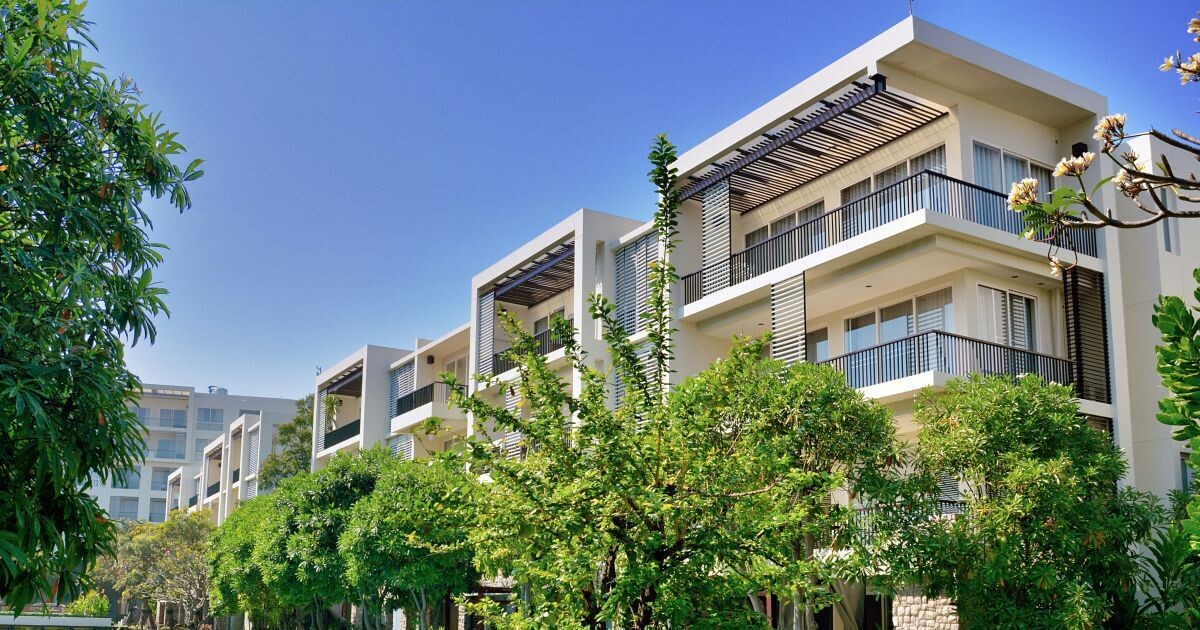
When house hunting, keep these three points in mind: First, always verify the building confirmation date is after June 1, 2000, to ensure it meets the newest standards. Second, investigate the land's ground strength—avoid former riverbeds, swamps, or reclaimed land. Finally, opt for buildings with simple, symmetrical shapes (square, rectangle), which distribute seismic force more evenly than complex L or U-shaped designs.