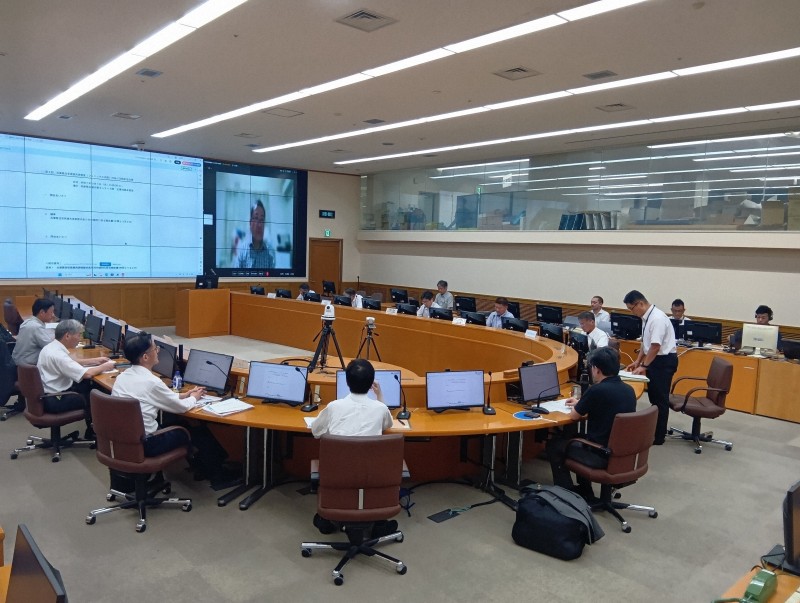
A Hyogo Prefecture insurance scheme designed to help residents rebuild homes after a disaster is facing a severe financial stress test, with a new report revealing it could be liable for payouts ten times its current reserves in a worst-case scenario earthquake.
The 'Phoenix Mutual Aid' system was established in September 2005 from the lessons of the Great Hanshin-Awaji Earthquake, where many survivors struggled to rebuild due to outstanding mortgages. For an annual premium of ¥5,000, homeowners in the prefecture can receive up to ¥6 million for a total rebuild or ¥2 million for major repairs after a quake.
Staggering Liability Exposed
An expert panel's interim report calculated the scheme's potential liability in various disaster scenarios. For a massive Nankai Trough earthquake originating south of Wakayama Prefecture, the estimated payout based on past claim patterns would be ¥50.1 billion. In a maximum scenario where every half-destroyed or worse home is rebuilt, the liability skyrockets to ¥143.7 billion.
This worst-case figure is a staggering ten times the scheme's current reserve fund of approximately ¥14.3 billion (as of the end of FY2023). If payouts exceeded reserves, the prefecture would be forced to borrow money to cover the shortfall, creating a significant fiscal risk.
Low Uptake, High Risk
The report also highlighted a critical vulnerability: a low participation rate of just 9.4% across the prefecture. Uptake is significantly lower in urban areas like Kobe (7.2%) and Amagasaki (5.5%), where renting is more common, leaving the scheme underfunded for the risk it carries.
While the panel affirmed the necessity of the system, it proposed four options to ensure its survival: reducing payouts, increasing premiums, purchasing reinsurance, or setting a cap on total payout amounts. A final report is expected in November, forcing a difficult conversation about balancing public protection with fiscal responsibility in one of Japan's most seismically active regions.