Dodgers win, Ohtani watches—and the decision waits until tomorrow
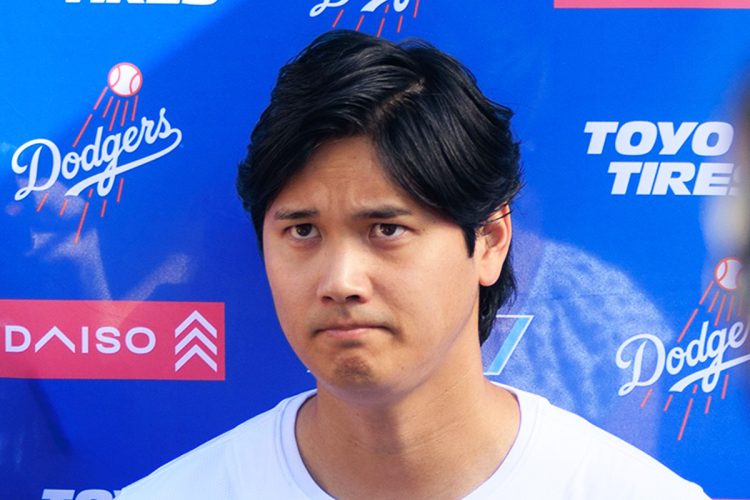
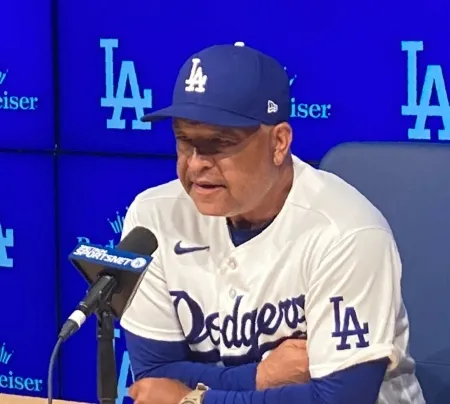
The Los Angeles Dodgers stopped a two-game skid with a dramatic 3–2 walk-off win over the St. Louis Cardinals at Dodger Stadium on September 3 (September 4 JST). The night’s most talked-about development, however, was off the field: Shohei Ohtani, 32, did not play. Manager Dave Roberts said after the game that Ohtani’s next appearance is “not decided,” adding that the team will evaluate his condition day by day before penciling him back into the lineup.
A rare bench night amid a power drought
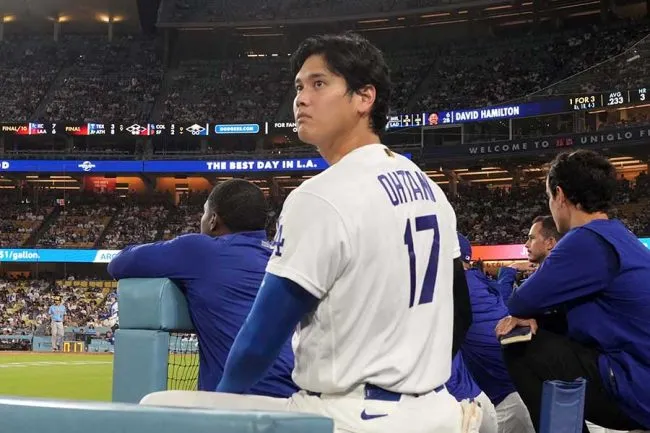
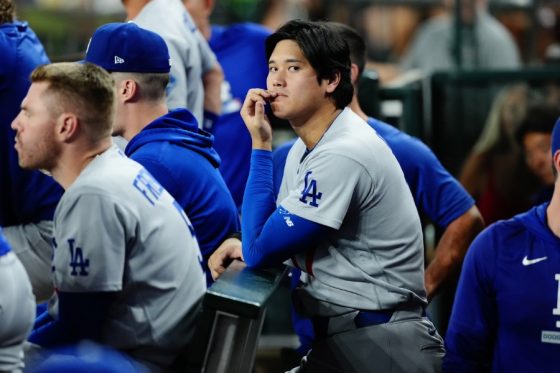
Ohtani began the night on the bench for the first time in 31 games—his first non-start since July 30 against the Mariners—and never entered. It followed a difficult outing the previous day, when he went 0-for-4 with four strikeouts, extending his Dodgers-era worst stretch to 12 games and 60 plate appearances without a home run. From the dugout, Ohtani was seen in a blue hoodie speaking with fellow Japanese star pitcher Roki Sasaki, a cameo that delighted fans tracking Japan’s new generation of baseball talent. When Teoscar Hernández delivered the walk-off hit, Ohtani pumped both fists and joined the on-field celebration, fully engaged with the team even while sitting out.
Roberts’ call: Day to day
“We haven’t decided what to do yet,” Roberts said postgame, noting that Ohtani “didn’t do anything today” and that the staff prefers not to make assumptions until they see how he arrives at the ballpark tomorrow. It’s a pragmatic approach: protect a franchise cornerstone while giving him space to reset. The Dodgers have navigated long seasons before and understand that strategic rest—physical and mental—can turn a lull into a surge.
Why this approach makes sense now
The calendar helps. Los Angeles opens a six-game homestand stretch entirely at Dodger Stadium: three against the Washington Nationals starting September 4 (September 5 JST), then three against the Cincinnati Reds from September 7 (September 8 JST). No travel, familiar routines, and controlled pregame work all favor a measured, day-by-day decision on when Ohtani should return to the lineup. For an elite hitter recalibrating timing and swing decisions, the home environment can be invaluable.
Perspective for Japan—and for new fans discovering Japanese baseball
Ohtani’s every move resonates across the Pacific. He is Japan’s most globally recognized athlete, a symbol of the country’s sporting excellence and calm professionalism. His journey—from Japan’s NPB to MLB superstardom, from World Baseball Classic triumph to a record-setting move to the Dodgers—has introduced countless fans worldwide to Japanese baseball culture: meticulous preparation, team-first mentality, and respect for the game. In Los Angeles, one of the world’s most international cities, Japanese fans and expats regularly fill Dodger Stadium, turning Ohtani’s at-bats into a cultural moment as much as a sporting one. Nights like this, even without an appearance, become part of a larger story: how Japan’s talent continues to shape America’s pastime.
The Roki Sasaki sighting matters
Sasaki, a phenom in Japan known for triple-digit velocity and poise beyond his years, represents the next wave of Japanese excellence. Seeing him relaxed and conversing with Ohtani in the Dodgers’ dugout was more than a photo op—it was a snapshot of continuity. Japan’s pipeline of elite players is vibrant, and Ohtani’s mentorship-by-presence underscores the deep ties between NPB and MLB that enrich both leagues.
What to watch next
- Lineup card: Is Ohtani back in the starting nine tomorrow, or does the reset continue?
- Pre-game work: Early batting practice and cage reps will hint at timing and adjustments.
- Approach at the plate: Even without a home run, quality at-bats—laying off chase pitches, driving the ball to all fields—signal a positive turn.
- Homestand matchups: Nationals and Reds arms could offer favorable looks to reignite Ohtani’s power.
For Dodgers fans and Japan watchers alike, the takeaway is clear: patience, then impact. A measured return could be exactly what turns a brief lull into a late-season charge—one that once again puts a Japanese superstar at the center of baseball’s biggest moments.