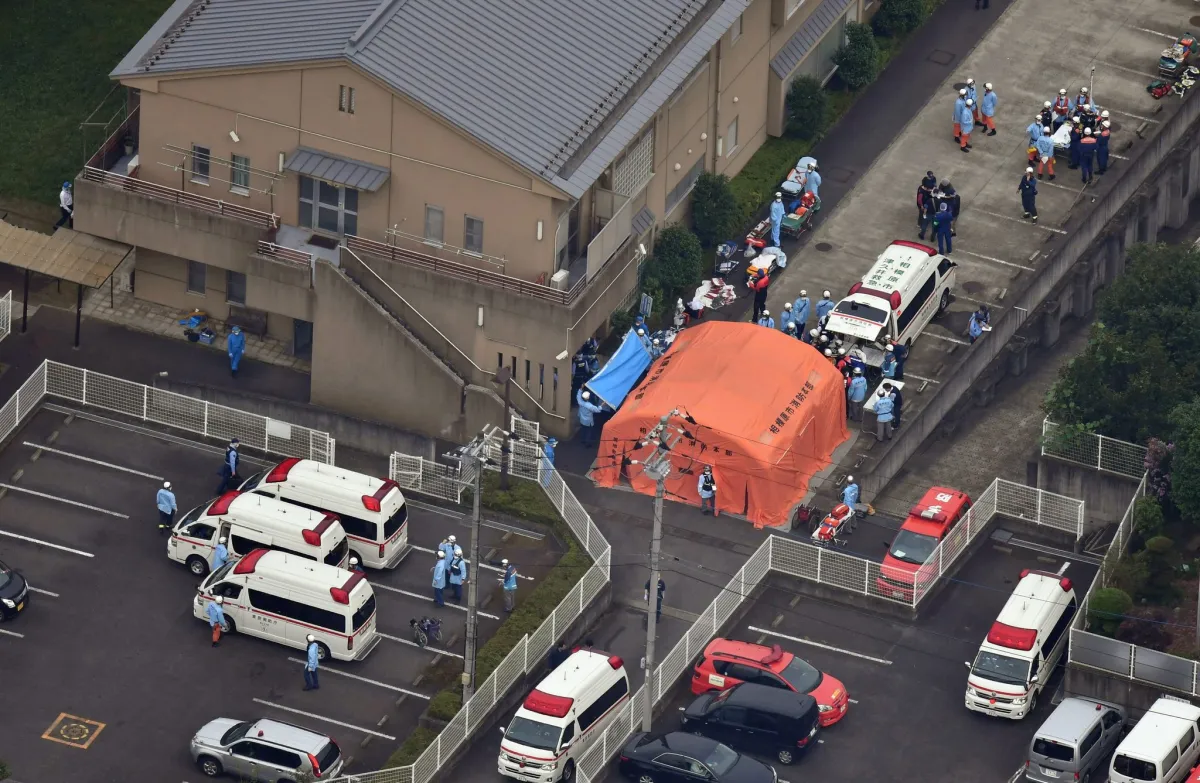
Indictment in a case that shocked Kanagawa
The Yokohama District Public Prosecutors Office has indicted a 19-year-old former boyfriend on suspicion of murder and related offenses in the killing of a high school senior in Sagamihara, Kanagawa Prefecture. The victim, a third-year student from neighboring Zama City, was found dead in June, prompting a wide-reaching investigation. Authorities confirmed that, as the accused meets the legal definition of a “specified juvenile,” his name was publicly released following the indictment.
What “specified juvenile” means in Japan
Japan’s Juvenile Act traditionally shields the identities of suspects under 20 to promote rehabilitation and protect minors from lasting stigma. However, reforms that took effect after the age of adulthood was lowered from 20 to 18 in 2022 created a category known as “specified juvenile” for 18- and 19-year-olds indicted for serious crimes. Under this framework, prosecutors and media may disclose a suspect’s name once formal charges are filed—a measure intended to balance transparency and public interest with the goals of juvenile justice. The decision to publish an identity remains subject to editorial judgment, and many outlets still choose not to name suspects depending on circumstances.
Context for international readers
Sagamihara is a major city in Kanagawa Prefecture, part of the Greater Tokyo area. The Yokohama District Public Prosecutors Office, which oversees cases in Kanagawa, regularly coordinates closely with local police to move significant cases to indictment when evidence standards are met. While this homicide has drawn public attention for its severity and the young ages involved, it is important to note that violent crime in Japan remains comparatively rare. Japan consistently records one of the lowest homicide rates in the world, sustained by a strong community-policing model (koban street-level police boxes), extensive neighborhood networks, and a legal framework that emphasizes prevention and swift, methodical investigation.
Due process and the road ahead
With the indictment filed, the case now proceeds through Japan’s criminal justice system. Prosecutors will present evidence in court, and the defense will contest the charges. As in all criminal proceedings, the defendant is presumed innocent unless proven guilty. Depending on the gravity of the offense, Japanese courts can impose severe penalties even on offenders under 20, though sentencing remains guided by considerations of rehabilitation and societal reintegration. If convicted, the 19-year-old could face significant prison time. The disclosure of his identity underscores the heightened public interest in accountability for serious crimes, especially those affecting young victims.
Why this matters
This case has become a focal point for discussion about how Japan balances youth protections with transparency and public safety. Supporters of the “specified juvenile” rule argue that naming indicted suspects in the most serious cases helps deter crime, aids investigations by encouraging witnesses to come forward, and affirms the public’s right to know. Critics caution that publicity can hinder rehabilitation and risk irreversible social consequences before a final verdict. The measured approach adopted by many Japanese newsrooms—carefully weighing the public interest and the suspect’s rights—illustrates a system striving for fairness, not spectacle.
Japan’s broader safety landscape
For residents, students, and expatriates, Japan remains one of the safest countries to live, study, and work. High-profile cases are investigated meticulously, trials are conducted with due process, and legal reforms are periodically updated to reflect evolving social expectations. While communities in Kanagawa mourn the loss of a young life, authorities are moving deliberately through the judicial process. The outcome of this case will likely inform ongoing conversations about juvenile justice, media responsibility, and public trust—areas where Japan’s institutions continue to prioritize accountability and community safety.