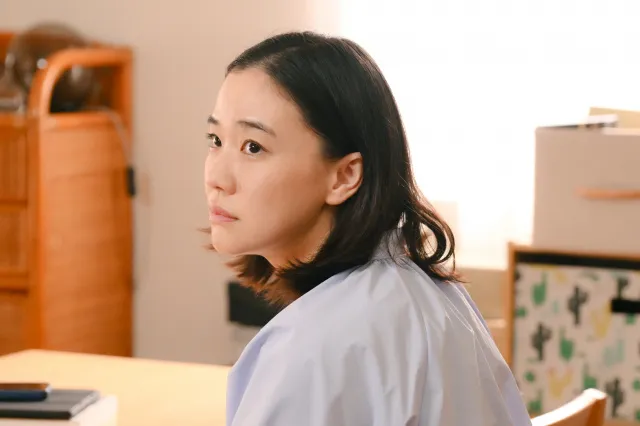
Spoiler alert: Episode 9 turns the tide
TBS’s Friday 10 p.m. drama “Until the T‑Shirt Dries” (Tシャツが乾くまで), led by acclaimed actress Yu Aoi, ignited nationwide buzz on September 4 with a twist that reframed the entire series. In a late-episode reveal, viewers learned that protagonist Sakiko—who vanished from the life of her fifth husband Mitsuru—has already been divorced four times. The revelation capped a tense hour that deftly balanced quiet character study with a social shockwave, showcasing why Japanese prime-time dramas continue to set a global standard for emotionally intelligent storytelling.
What Episode 9 reveals
After leaving Mitsuru (played by Kenichi Matsuyama), Sakiko (Yu Aoi) travels to a tranquil seaside town to visit a man named Atsuhiko (Yoshihiko Inohara) and two children. While Mitsuru worries, Sakiko appears at ease, spending cheerful moments with the family. Back in Tokyo, a circle of friends—including Naoto (Fumiya Takahashi), Chizuru (Asami Usuda) and Miyauchi (Lily Franky)—gathers at the retro coffee shop “Hikoki,” puzzling over Sakiko’s personality and whereabouts. Chizuru’s portrait of the “old” Sakiko—easily bored, quick to pivot, drawn to the new—clashes sharply with Mitsuru’s understanding of his wife, hinting that he knows only part of her story.
The final minutes deliver the jolt: Atsuhiko is revealed as Sakiko’s former husband. The children, however, are not hers—they are from Atsuhiko’s subsequent marriage to his second wife. Then comes the deeper confession: Sakiko has four ex-husbands. In her words, she proposed to each of them, married, and eventually accepted their requests to divorce. Her longing for a “family” was sincere but, by her own admission, misdirected; the very intensity of her dream kept sabotaging the reality. As for why she concealed this record from Mitsuru, the answer lands with disarming candor: just as he has a habit of disappearing, she, too, was running—from the truth. “For the first time,” she says, “I didn’t want to lose this person.”
Why this twist matters in Japan
The episode struck a nerve across Japanese social media. Reactions ranged from stunned disbelief—“Haa!?” and “Batsu-4 was beyond my imagination!”—to rueful recognition: “In a way, they’re a matched pair.” The term “batsu” (×) is shorthand in Japan for the number of prior divorces, a cultural shorthand that can carry stigma. By making “batsu-4” a pivotal character trait, the drama confronts shifting norms around marriage, divorce, and remarriage in contemporary Japan. It suggests that reinvention is possible, but not without honesty—toward oneself and toward one’s partner.
For international viewers considering life in Japan—whether to work, study, or settle—this storyline offers a window into how rapidly the country’s social conversations are evolving. While Japan retains a strong ideal of the nuclear family, dramas like this reflect an increasingly nuanced public dialogue about blended families, second chances, and the messy realities of love.
Craft, pedigree, and performances
“Until the T‑Shirt Dries” is an original work penned by Miku Ubukata, known for the quietly shattering hit “silent.” Direction comes from Nobuhiro Doi, the filmmaker behind the romantic landmark “We Made a Beautiful Bouquet.” That pedigree shows. Episode 9’s seaside interlude is shot with a painterly calm that contrasts against the moral turbulence underneath, while the Tokyo café scenes channel the warmth and candor of Japan’s kissaten culture—spaces where confidences are exchanged over coffee and time seems to slow.
Yu Aoi anchors the hour with restrained intensity, while Kenichi Matsuyama invests Mitsuru’s worry with palpable tenderness. Yoshihiko Inohara’s calm presence adds layers to Atsuhiko, suggesting a history that may not be easily boxed into blame or innocence. The ensemble—Fumiya Takahashi, Asami Usuda, and Lily Franky—rounds out a community that feels lived-in, imperfect, and deeply human.
What’s next
As the series moves into its final stretch, the question is no longer just what Sakiko is hiding, but what kind of future she and Mitsuru can build on the truth. TBS’s Friday 10 p.m. slot has long delivered conversation-starting dramas; Episode 9 reaffirms that tradition. Whether you’re a longtime J‑drama fan or newly curious about Japan’s television landscape, this twist is a compelling entry point—less about shock for its own sake than about the courage it takes to change, and the love required to stay.