Volcanic ash disrupts Indonesia’s busy air network
Indonesia temporarily closed eight airports on the sixth after continued activity at Anak Krakatau sent volcanic ash across parts of Java and Sumatra, creating widespread disruption for domestic and international air travelers. More than 1,500 flights were affected nationwide, with approximately 170,000 passengers facing delays, cancellations or changes to their travel plans.
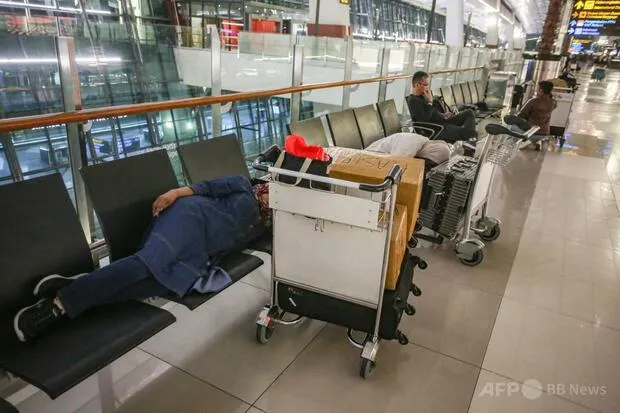
The largest impact was reported at Soekarno-Hatta International Airport, the major gateway serving Jakarta and one of Southeast Asia’s busiest aviation hubs. Indonesia’s Transport Ministry said 964 flights at the airport were affected. The airport operator later announced through social media that flight operations would remain suspended until 11:59 p.m. local time on the sixth, after the initial closure period was extended several times.
Major airlines cancel Jakarta flights
Singapore Airlines, Malaysia Airlines, AirAsia and Lion Air Group announced the cancellation of all flights arriving at or departing from Jakarta that day. The disruption affected both local passengers and international travelers using Jakarta as a connection point to other Indonesian destinations and regional hubs.
Airport authorities said they were working with airlines to assist passengers caught in the disruption. Support measures included providing meals and refreshments, as well as arranging bus transportation to hotels for affected travelers. Passengers were advised to remain in contact with their airlines and confirm the latest departure information before traveling to the airport.
Ash clouds reach significant altitudes
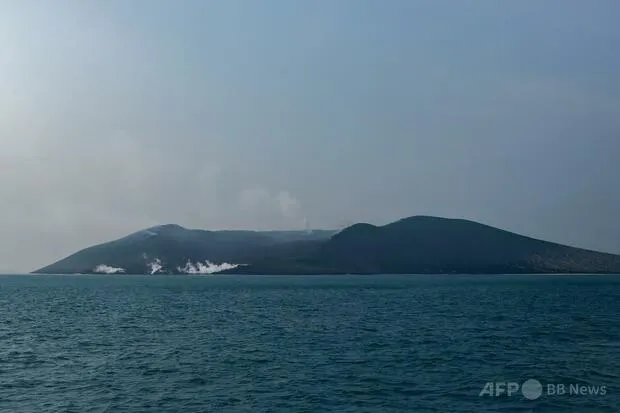
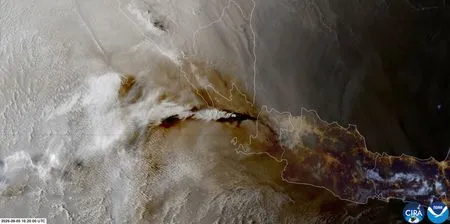
Anak Krakatau is located in the Sunda Strait between Java and Sumatra. The volcano has remained active since the evening of the fourth, and volcanic ash was detected around airports early on the sixth. Indonesia’s Meteorology, Climatology and Geophysical Agency, known as BMKG, reported that ash reached an estimated altitude of about 6,000 meters on the Java side and approximately 15,000 meters on the Sumatra side.
The ash also spread into parts of Banten province on Java, where Soekarno-Hatta International Airport is located. Volcanic ash poses a serious risk to aviation because it can reduce visibility, damage aircraft engines and interfere with flight operations. As a result, airport closures can be necessary even when an eruption is not located immediately beside an airport.
What travelers from Japan should keep in mind
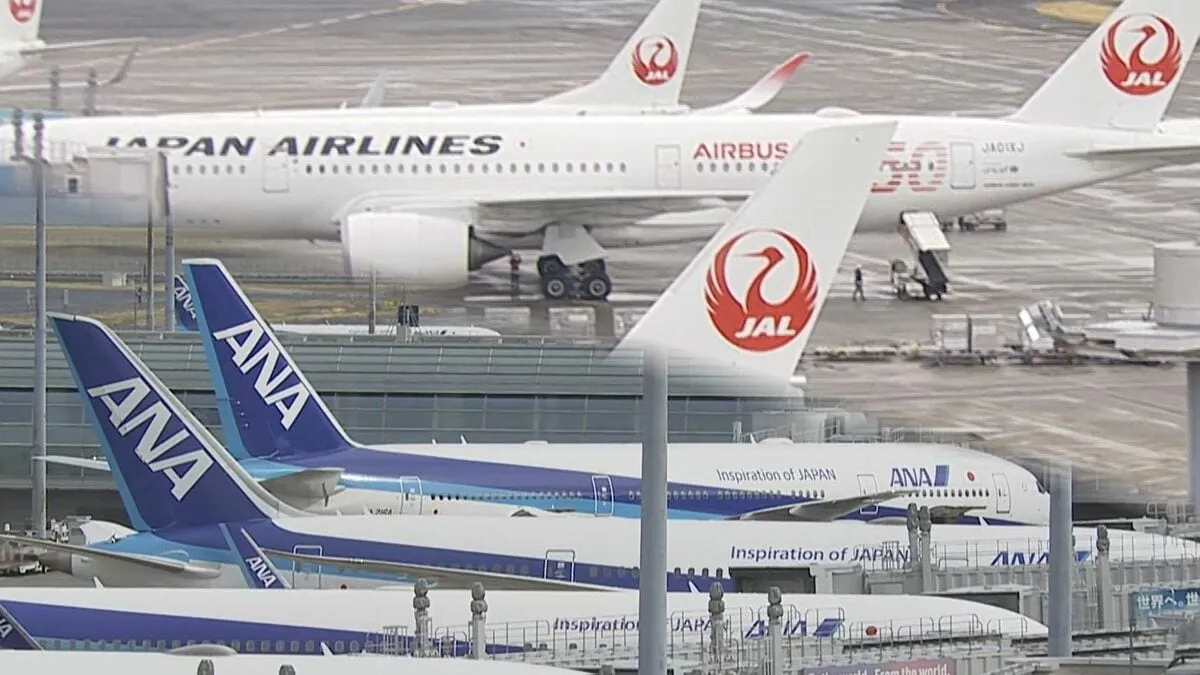
Indonesia is a popular destination for travelers from Japan, including visitors heading to Jakarta, Bali and other parts of the country. Although the reported closures were in Indonesia, passengers traveling from Japan through Jakarta or other regional hubs should check flight status directly with their airline before departure. Connecting flights can be affected even when the first or final destination is operating normally.
The disruption also highlights the importance of flexible travel planning in volcanic regions. Japan, like Indonesia, is situated in the Pacific Ring of Fire and has extensive experience managing volcanic activity and weather-related transportation disruptions. Japanese travelers are generally well served by detailed airline notifications and organized airport support, but should still allow extra time, keep essential medicines and documents in hand luggage, and avoid relying solely on connecting flights during major disruptions.
Operations depend on safety assessments
Authorities are expected to continue monitoring ash movement and volcanic activity before allowing normal operations to resume. The timing of reopening can change quickly depending on wind direction, ash concentration and aviation safety assessments. Travelers should rely on official airport announcements, airline updates and Indonesian authorities for the latest information.