Volcanic ash brings Jakarta-area flights to a halt
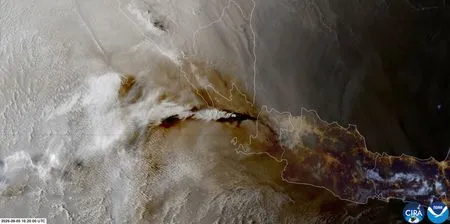
Flights at Indonesia’s Soekarno-Hatta International Airport were suspended on the sixth after volcanic ash from an eruption of Anak Krakatau was detected near the airport, according to an AFP report carried by Jiji Press. The airport is located near Indonesia’s capital, Jakarta, approximately 150 kilometers from the volcano.
The temporary shutdown affected more than 22,000 passengers and disrupted 209 domestic and international flights, Indonesia’s Transport Ministry said. Operations were initially suspended from 1:30 a.m. local time, or 3:30 a.m. Japan Standard Time, until 9:30 a.m. However, authorities later announced a further four-hour extension as volcanic ash continued to pose a potential risk to aviation.
Why volcanic ash is a serious aviation hazard
Volcanic ash can create major problems for aircraft even when visibility appears normal on the ground. Fine ash particles can enter jet engines, where they may melt and solidify on critical components. Ash can also damage cockpit windows, interfere with sensors and reduce visibility for pilots. For this reason, airlines and aviation authorities often suspend flights or reroute aircraft when ash clouds are detected along flight paths.
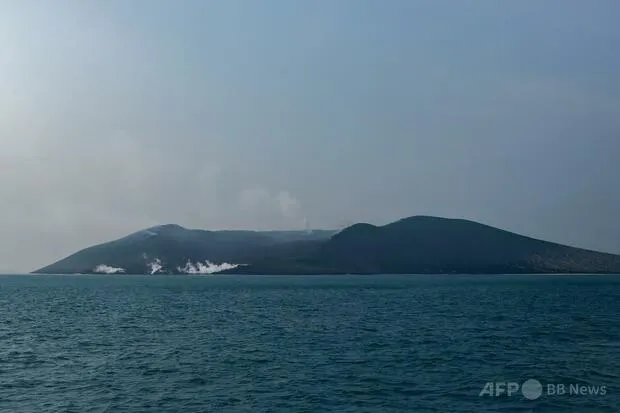
The eruption was announced by Indonesia’s geological authorities on the fifth. During the activity, magma was projected into the air, while explosive sounds were reportedly heard as far as 700 kilometers away. Two additional eruptions were observed on the sixth, adding to concerns over continuing volcanic activity in the region.
Warnings issued for ships and visitors
Anak Krakatau, whose name means “Child of Krakatau,” stands in the Sunda Strait between Java and Sumatra. The volcano emerged from the area of the historic Krakatau volcano, whose catastrophic 1883 eruption caused widespread destruction and generated a powerful tsunami. Today, Anak Krakatau remains one of Indonesia’s closely monitored active volcanoes.
Local port authorities have urged vessels traveling through the Sunda Strait to remain alert to possible navigation and safety risks linked to the eruption. Authorities have also prohibited access to an exclusion zone within three kilometers of the volcano. The restrictions are intended to protect residents, visitors, crews and emergency personnel from ashfall, sudden explosions and other volcanic hazards.
What the disruption means for international travelers
Soekarno-Hatta International Airport is Indonesia’s main aviation gateway and an important connection point for travelers from across Asia. Flight interruptions there can affect onward journeys, including trips between Indonesia and Japan, where Indonesia is a popular destination for business, tourism and visits to family. Japanese travelers in Indonesia, as well as passengers connecting through Jakarta, should check airline notices before traveling to the airport and allow additional time for rebooking or ground transport.
The disruption also highlights the importance of monitoring official information during volcanic events. Conditions can change quickly as wind direction, ash concentration and eruption intensity develop. Airlines may adjust schedules even after an airport reopens, while neighboring airports and maritime routes may also face operational changes. Indonesian authorities continue to assess the situation, with aviation and maritime safety remaining the priority.