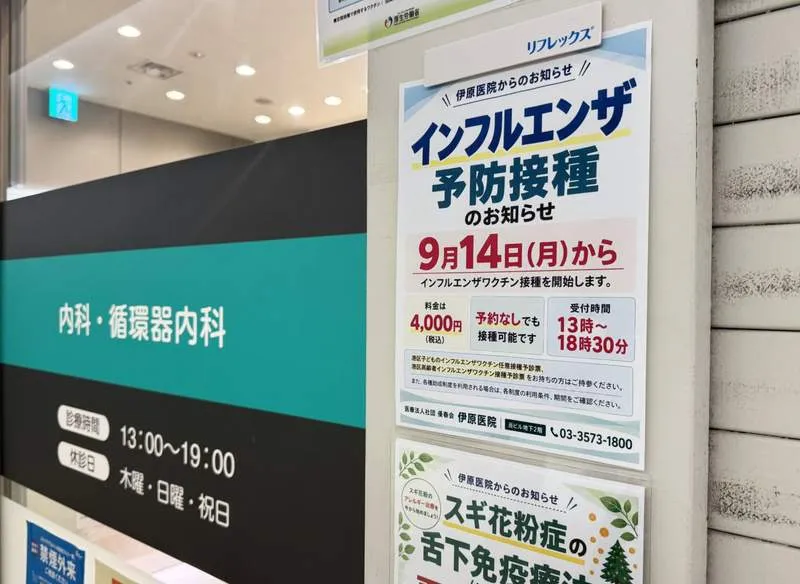
Japan records an unusually early influenza season
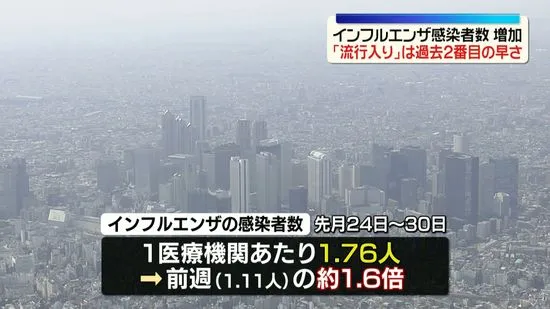
Japan has entered its nationwide influenza season in August, an exceptionally early development for a disease that typically spreads from late autumn through the beginning of spring. The Ministry of Health, Labour and Welfare announced the start of the season on August 28, raising concerns among medical experts ahead of a major holiday travel period.
Excluding 2023, when influenza activity from the previous season continued into the year, this is the second-earliest nationwide start recorded since Japan began using its current surveillance method in 1999. The earliest start occurred in 2009, an exceptional year marked by the global outbreak of novel influenza A(H1N1).
A different virus pattern from last winter
The strain currently spreading in Japan is mainly an A-type H1N1 virus descended from the influenza virus associated with the 2009 pandemic. This differs from last season, when the H3N2 “subclade K” variant rapidly expanded and became the dominant strain in many areas.
Health authorities have not identified a clear reason why influenza activity began so early this year. Seasonal influenza patterns can be influenced by several factors, including population immunity, international travel, local weather conditions, school and workplace contacts, and the timing of outbreaks in neighboring countries. The early appearance of a new dominant pattern does not necessarily mean the illness is more severe, but it does give the virus additional time to circulate before the traditional winter peak.
Situation in Taiwan and regional travel concerns
Infectious-disease specialist Norio Sugaya, honorary adviser at Keiyu Hospital in Kanagawa Prefecture, has highlighted the situation in Taiwan, where H1N1 began spreading rapidly around July and has developed into a large-scale outbreak. He expects the epidemic there to approach its peak soon.
Taiwan is one of Japan’s most popular short-haul destinations, with frequent flights and extensive business, family and tourism links between the two economies. As Japanese travelers prepare for the September “Silver Week” holiday period, many individual travelers are expected to visit Taiwan and other parts of East Asia. The cross-border movement of people could increase opportunities for influenza transmission in both directions.
What travelers and residents can do
For people living in Japan or visiting the country, the early season is a reminder to monitor official health information and take practical precautions. Staying home when experiencing fever or respiratory symptoms, wearing a mask in crowded indoor settings, washing hands regularly and improving ventilation can help reduce transmission. People at higher risk of complications, including older adults and those with certain medical conditions, may also wish to consult a medical professional about seasonal influenza vaccination.
Japan’s advanced public-health monitoring system allows authorities to detect unusual seasonal changes relatively early. While the precise cause of this year’s early outbreak remains unknown, the spread of H1N1 in Japan and Taiwan underlines the importance of regional cooperation and informed travel planning. Visitors should not cancel travel solely because of the announcement, but they should remain alert, prepare for possible medical needs and follow guidance from Japanese and local health authorities.