Japan orders immediate response after suspected missile launch
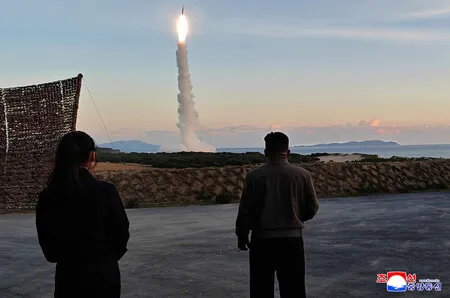
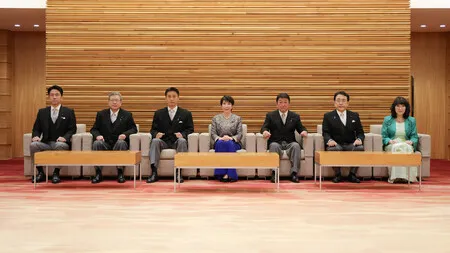
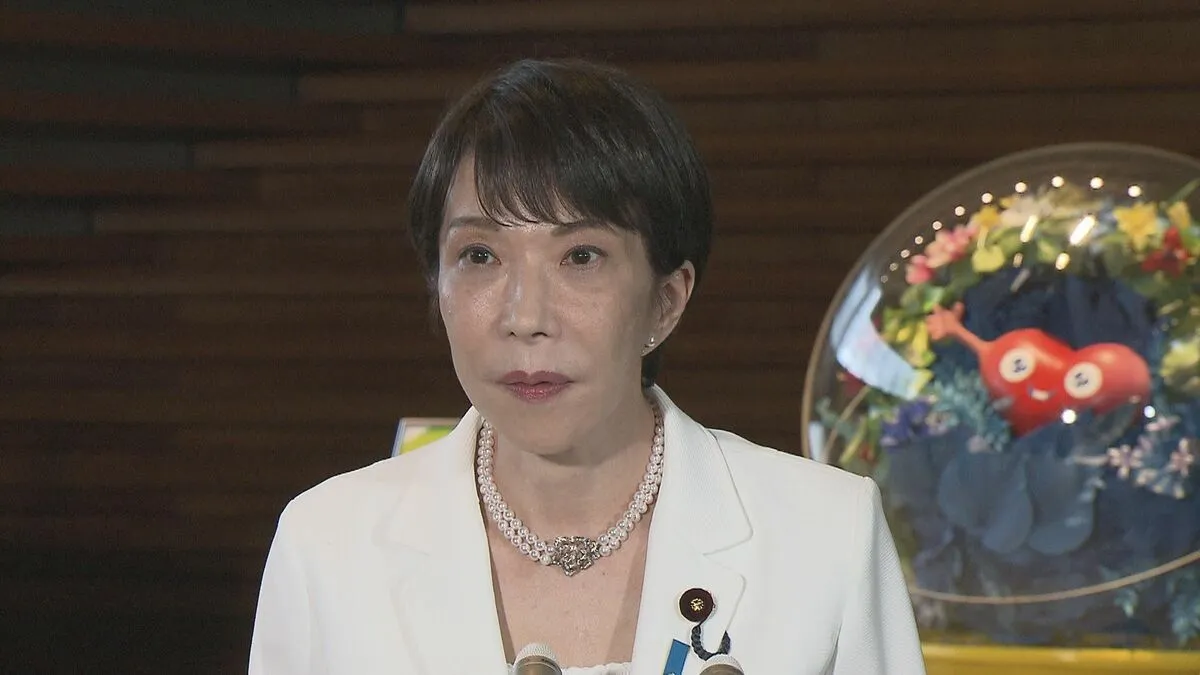
Prime Minister Takaichi instructed Japan’s government to take three urgent measures after North Korea launched an object believed to be a ballistic missile, according to the Japanese government. The instructions were issued at 9:24 a.m., emphasizing the need for rapid information-sharing, transport safety checks and comprehensive preparedness for any unforeseen developments.
The launch was described as involving a projectile that may have been a ballistic missile. At the time of the announcement, the available information did not establish all details, including the missile’s exact type, flight path or outcome. Japanese authorities are expected to continue collecting and analyzing data through relevant government agencies and security channels.
Three directives from the prime minister
The first directive calls for the government to make every effort to gather and analyze information while providing the public with swift and accurate updates. This is particularly important during a missile alert, when residents, businesses and transport operators need reliable information to make informed decisions and avoid confusion caused by unverified reports.
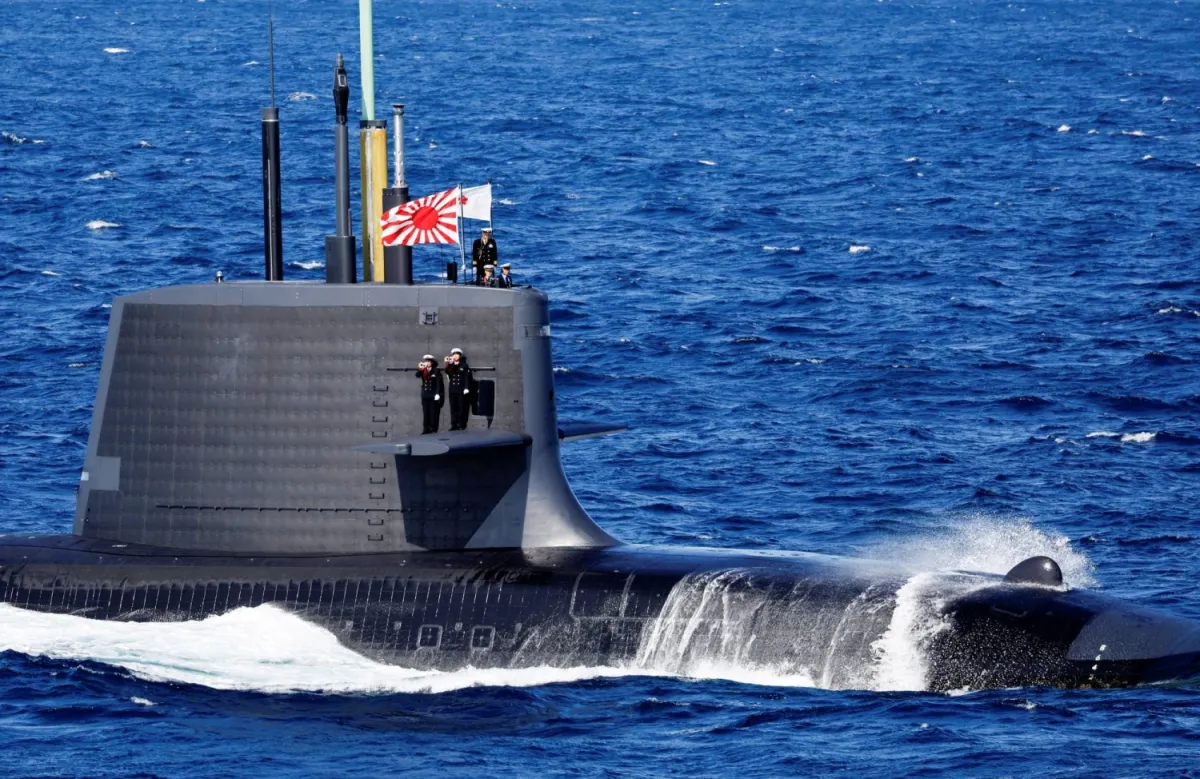
The second instruction is to thoroughly confirm the safety of aircraft, vessels and other forms of transportation. Japan is an island nation with major air and maritime routes connecting its regions to the wider Asia-Pacific. Any suspected missile launch in the surrounding area can therefore prompt close monitoring of aviation and shipping activity, even when there is no immediate indication of damage or disruption.
The third directive calls for the government to maintain a full state of readiness in preparation for unexpected developments. This includes ensuring that relevant ministries, emergency services and local authorities can coordinate quickly if additional information changes the assessment of the situation.
Why the announcement matters to people in Japan
North Korean missile launches have repeatedly drawn attention in Japan because projectiles launched from the Korean Peninsula can travel over or near waters close to Japanese territory. Japan maintains systems for gathering information from satellites, radar and other sources, while the national government works with local authorities to issue public alerts when necessary.
For foreign residents and visitors, official updates are the most dependable source of information during a security alert. Government announcements, local authority notifications and emergency messaging systems may provide guidance in Japanese and, in some cases, other languages. People should avoid relying on social media rumors, check official instructions and follow directions from transport operators or local authorities.
Focus on calm, accurate communication
The prime minister’s three instructions reflect Japan’s emphasis on preparedness and disciplined crisis communication. The immediate priority is to establish the facts, protect public safety and keep transportation networks operating safely. Further details about the launch, including its trajectory and any effects on Japan, will depend on ongoing analysis by Japanese authorities.
As the situation develops, the government is expected to provide additional information when it has been verified. For residents, travelers and businesses across Japan, the message is clear: remain calm, monitor official announcements and be prepared to follow safety guidance promptly.