Japan confirms first domestic detection
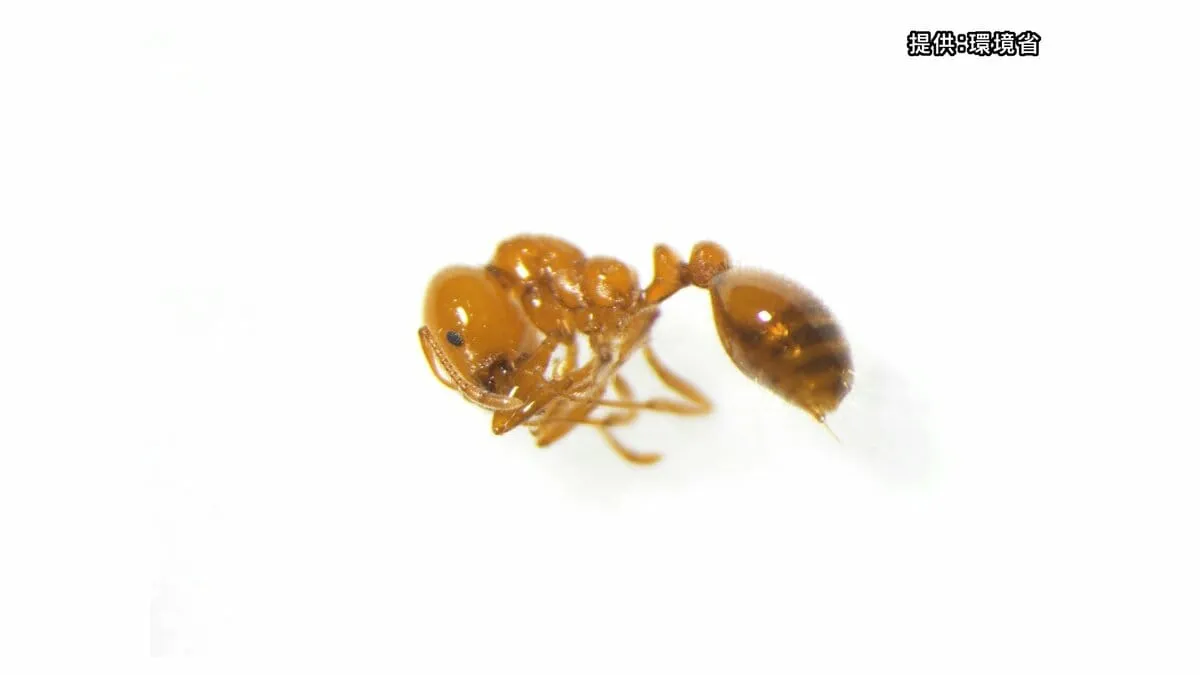
Authorities in Hyogo Prefecture and other relevant agencies have confirmed Japan’s first domestic detection of the golden fire ant, a highly invasive species classified by the national government as a “designated invasive alien species requiring urgent action.” The discovery was made at Kobe Port, one of Japan’s major international gateways for cargo and container shipping.
According to officials, a pest-control company conducting an inspection at a container yard on the 14th of this month found large numbers of ants moving in and out of soil. After specialist examination, the insects were identified as golden fire ants, a species distributed mainly from the southwestern United States to northern Mexico. The finding marks the first time the species has been confirmed in Japan.
Thousands of ants and multiple queens discovered
Since the initial discovery, national authorities, port operators and local agencies have carried out concentrated eradication work at the site. Investigators have so far found approximately 20,000 worker ants, around 500 winged ants, about 20 queens and additional larvae. The presence of queens and immature ants has heightened concern that the insects may have been part of an established colony rather than an isolated arrival.
Fire ants are considered a serious concern because they can multiply rapidly and spread through the movement of soil, cargo, vehicles and shipping containers. A sting may cause intense pain and itching similar to a burn. In some cases, people can experience stronger allergic reactions, although no injuries have been reported in connection with the Kobe discovery.
Restricted port area helps limit public exposure
The ants were found in an area of the port that is not accessible to the general public. Officials say there is currently no evidence of human harm, and the discovery site is being managed through coordinated inspections and eradication measures. Hyogo Prefecture plans to continue working with the national government and Kobe City to prevent the species from becoming established in Japan.
Kobe Port plays a vital role in Japan’s economy, handling international containers and serving as an important link between Japanese businesses and overseas markets. The detection highlights the biosecurity challenges faced by major ports around the world, where invasive species can sometimes travel unnoticed in cargo-related materials.
Early response seen as key to protecting Japan
Japan has strengthened monitoring of invasive ants in recent years, particularly at ports and logistics facilities. The government has urged relevant organizations to inspect cargo areas carefully and respond quickly when potentially dangerous species are found. The Kobe operation demonstrates the importance of early detection, specialist identification and rapid cooperation between national and local authorities.
Officials are expected to continue checking the surrounding area and monitoring for any remaining ants or signs of spread. For now, authorities emphasize that the discovery occurred within a controlled port zone and that no public health damage has been confirmed. The immediate priority is to eliminate the colony and ensure that the golden fire ant does not become established elsewhere in Japan.