Japan monitoring latest launch
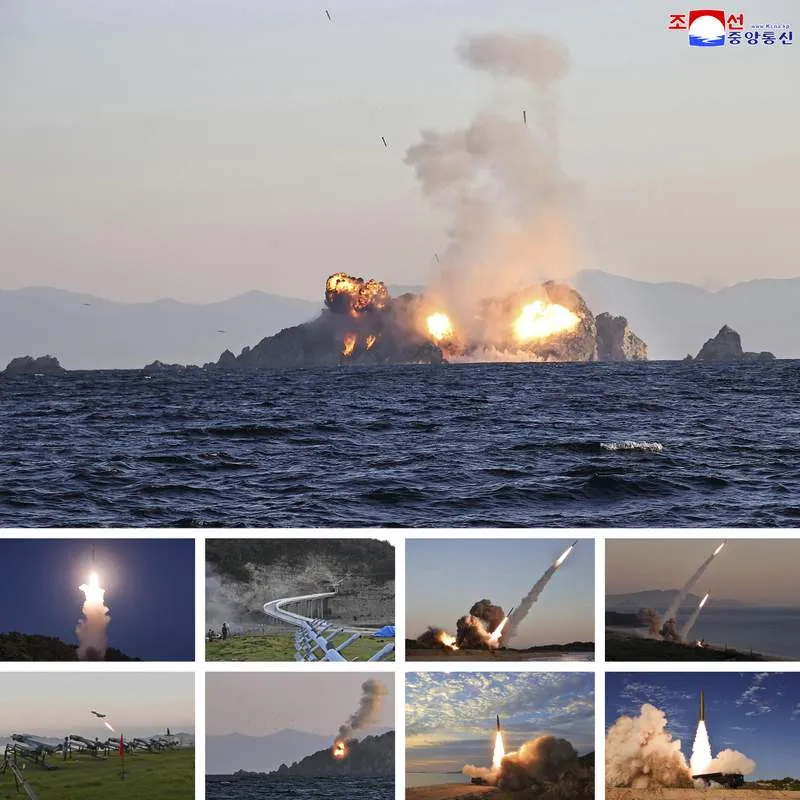
North Korea has launched an object believed to be a ballistic missile, Japan’s Ministry of Defense said in an initial alert. The ministry reported that the projectile is believed to have already fallen, while government officials estimate that it did not enter Japan’s exclusive economic zone, or EEZ.
Authorities are continuing to gather and analyze information, including details about the launch time, flight path, distance and impact location. At this stage, officials have not publicly confirmed the exact type of missile involved or provided a detailed assessment of its performance.
No reported impact inside Japan’s EEZ
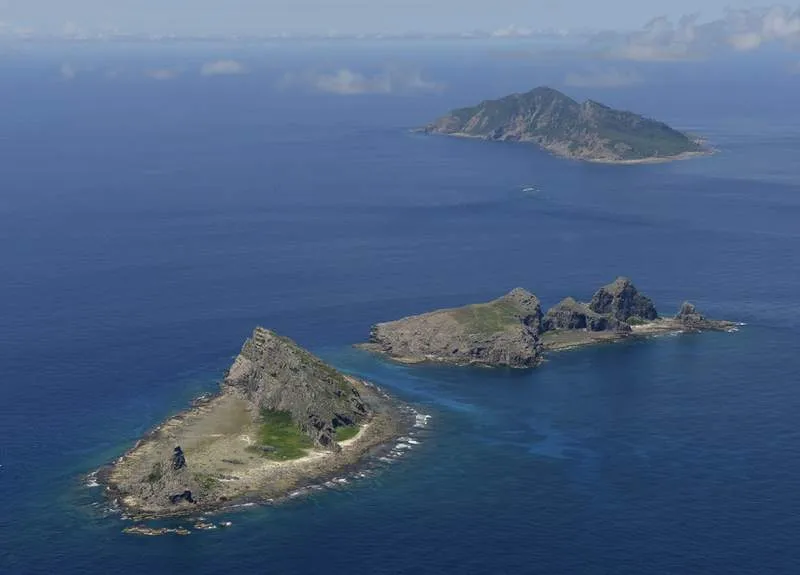
Japan’s EEZ extends up to 200 nautical miles, or approximately 370 kilometers, from the country’s coastline. Although it is not the same as Japanese territorial waters, an object landing within the zone would be treated as a serious security and maritime-safety concern. The initial assessment that the projectile fell outside the EEZ indicates that there is no immediate report of an impact in Japan’s designated economic waters.
Even when a missile lands outside the EEZ, however, launches from the Korean Peninsula remain closely watched in Japan. The country is surrounded by busy shipping routes and depends heavily on safe maritime transport for energy supplies, food and trade. Japanese authorities therefore maintain monitoring and information-sharing systems to protect the public, commercial vessels and fishing communities.
Advice issued to vessels
The Ministry of Defense and other government agencies are collecting further information. Ships currently navigating the surrounding waters are being advised to follow official updates carefully. Authorities have also warned people not to approach any suspected debris or fallen objects. Anyone who discovers possible debris should report it to the Japan Coast Guard or another relevant authority instead of handling it.
Regional security context
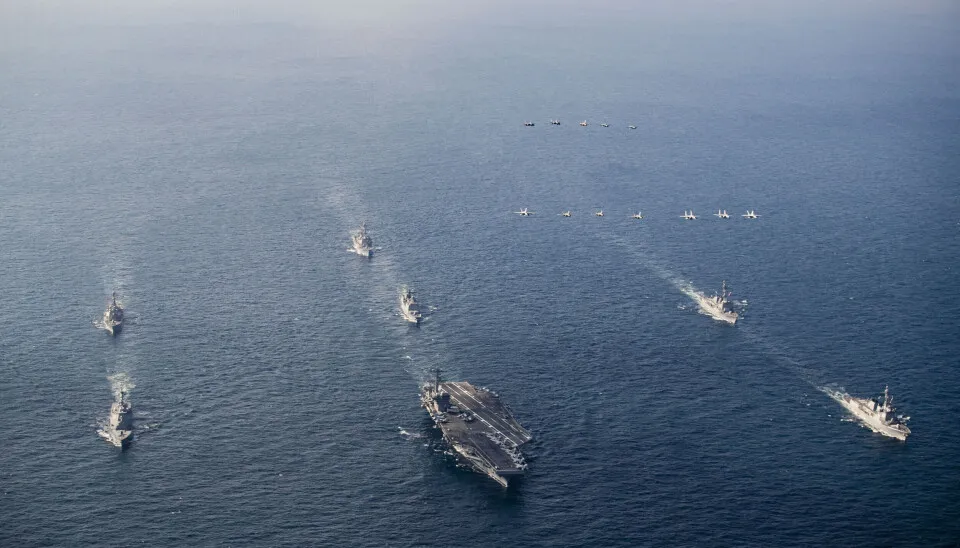
North Korea’s missile activity has been a recurring concern for Japan and its neighbors. Tokyo regularly coordinates with the United States and South Korea to assess launches and monitor developments in Northeast Asia. Japan’s government typically communicates preliminary information quickly through its defense and emergency-alert structures, followed by more detailed analysis as radar, satellite and other data become available.
The latest report does not, by itself, establish the missile’s exact characteristics or purpose. Such assessments can change as authorities review additional information. For residents and visitors in Japan, the most reliable guidance is to follow announcements from the Japanese government, local authorities, the Japan Coast Guard and other official sources, rather than relying on unverified posts online.
Further updates are expected as Japan completes its analysis of the launch and confirms the projectile’s trajectory and landing area.