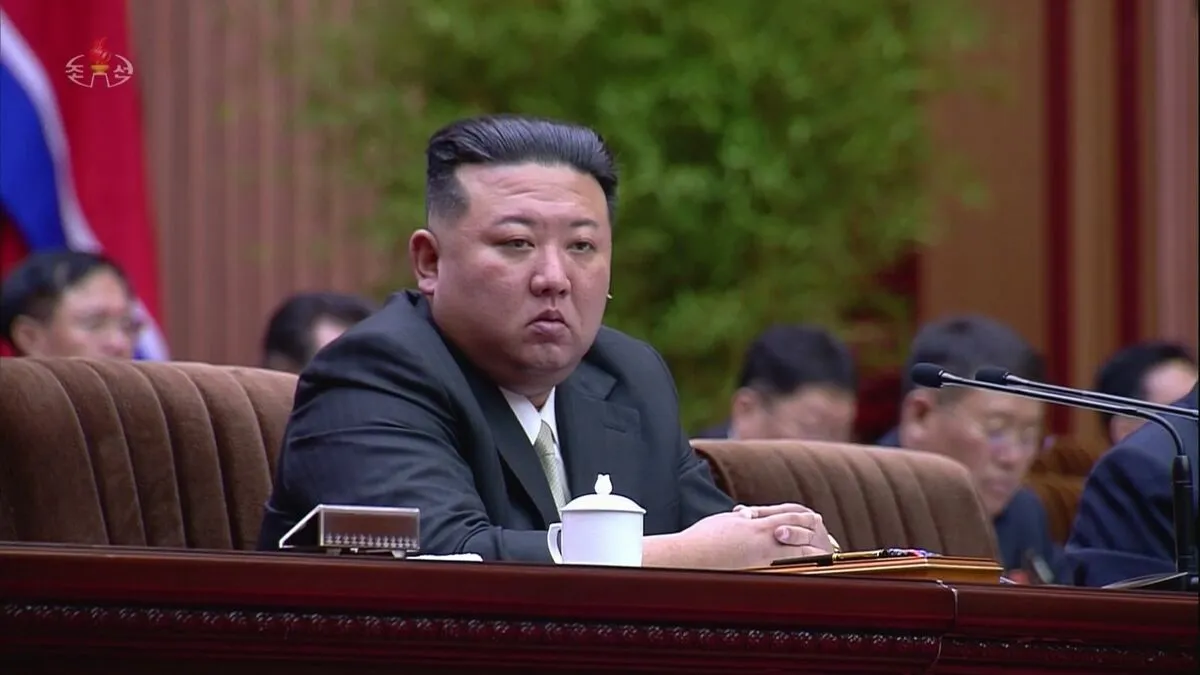
Japan monitoring latest North Korean launch
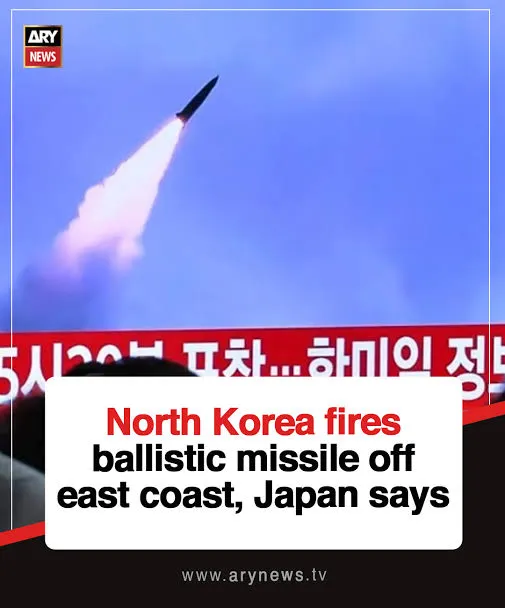
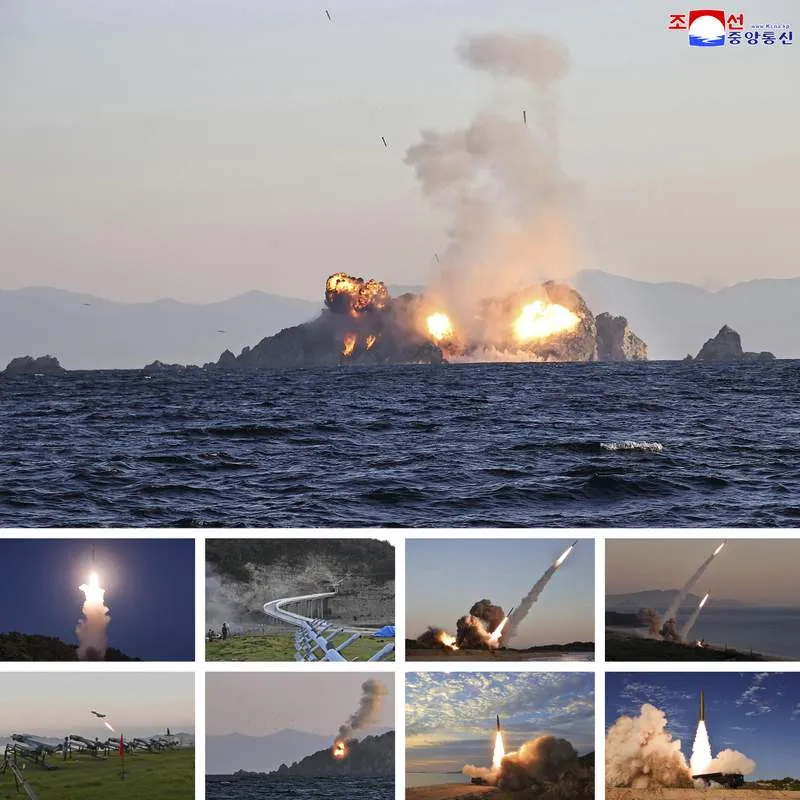
Japan’s Ministry of Defense said on the morning of the 3rd that North Korea had launched an object believed to be a ballistic missile. The ministry later announced that the object appeared to have fallen after launch.
According to Japanese government officials, the missile is estimated to have landed outside Japan’s exclusive economic zone, or EEZ. The exact launch details, including the missile’s flight path, altitude, speed and launch location, were still being assessed as authorities continued gathering information.
Authorities urge caution at sea
Japan’s government is advising vessels operating in the surrounding waters to pay close attention to further official updates. Ships and crews are also being urged not to approach any possible debris or fallen objects discovered at sea. Anyone who finds suspicious material should report it to the Japan Coast Guard or another relevant authority.
The guidance reflects standard safety procedures following a missile launch. Even if an object appears inactive, it may pose risks from fuel, unexploded components or other hazardous materials. Reporting potential debris allows trained authorities to investigate and manage the situation safely.
Why the EEZ matters to Japan
Japan’s EEZ generally extends up to 200 nautical miles from its coastal baselines, although it is not the same as the country’s territorial waters. Within an EEZ, a coastal state has special rights concerning natural resources and certain economic activities, while freedom of navigation remains protected under international law.
A missile falling outside Japan’s EEZ does not mean the launch is considered harmless. North Korean missile activity remains a serious regional security concern because projectiles can travel long distances, create risks for aircraft and shipping, and contribute to heightened tensions in Northeast Asia. Japan routinely coordinates with the United States and South Korea while using its own radar, satellite and other monitoring systems to assess such events.
Information still being verified
Initial reports issued immediately after a launch can be revised as more data becomes available. Japan’s defense authorities are expected to continue analyzing the trajectory and collecting information from multiple sources. The government has not indicated in the initial announcement that damage or injuries were reported in Japan.
For residents and visitors, the most reliable information will come from official announcements by Japan’s Ministry of Defense, the Cabinet Secretariat, the Japan Coast Guard and local authorities. People should avoid sharing unverified images or claims online, particularly when they may cause unnecessary alarm. Japan’s careful, information-led response is intended to protect public safety while authorities establish the full details of the launch.