Japan reports possible new launch
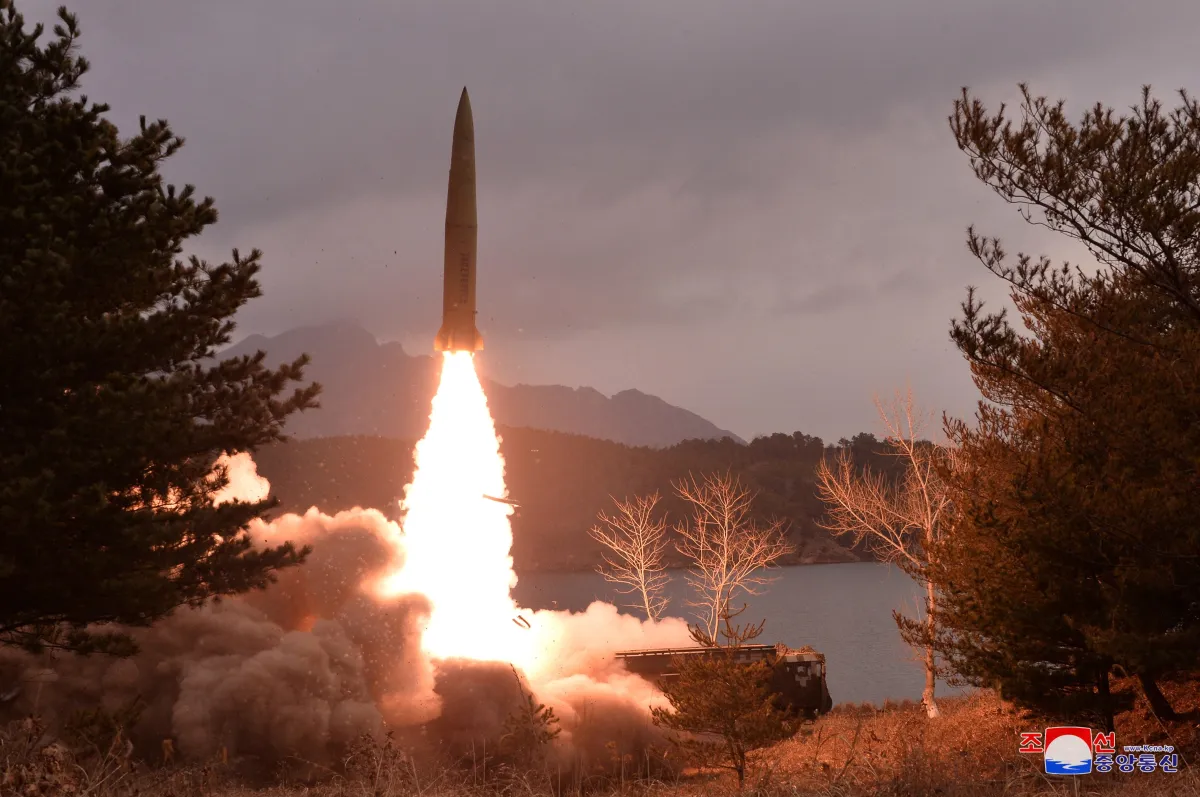
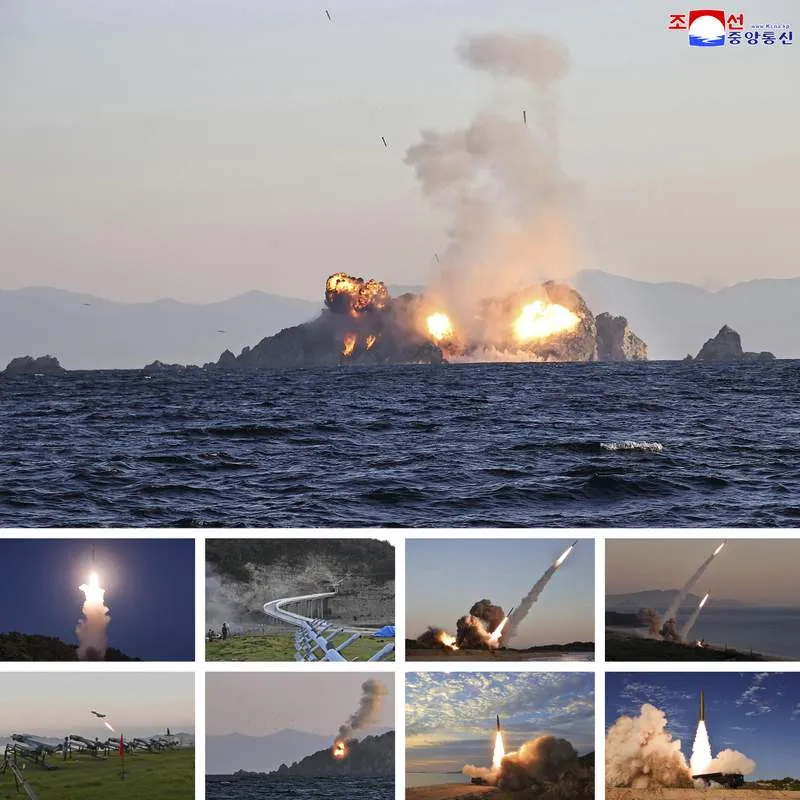
Japan’s Ministry of Defense announced on the 20th that North Korea may have launched another object believed to be a ballistic missile. The statement marks the latest development in a series of security incidents that continue to draw close attention from Tokyo and its regional partners.
The ministry’s initial wording is cautious. Officials described the object as something that “may be a ballistic missile,” indicating that authorities were still assessing available information. At this early stage, details such as the launch time, flight path, range, landing area and the specific type of missile had not been provided in the source announcement.
Why the report matters to Japan
North Korean missile activity is a major concern for Japan because of the country’s proximity to the Korean Peninsula. Depending on its trajectory and range, a missile launch can create risks for Japan’s territory, surrounding waters, commercial shipping and aviation routes. Even when a projectile does not directly threaten Japan, the launch can increase regional uncertainty and require authorities to closely monitor developments.
Japan maintains a sophisticated system for gathering and analyzing information about missile launches. The Ministry of Defense works with the Self-Defense Forces and coordinates with international partners, including the United States and South Korea. Initial assessments can change as radar, satellite and other intelligence are reviewed, which is why official announcements often use carefully measured language in the immediate aftermath of a reported launch.
A continuing regional security challenge
Ballistic missile launches by North Korea have repeatedly raised concerns across Northeast Asia. United Nations Security Council resolutions prohibit North Korea from developing and testing ballistic missile technology, although Pyongyang has continued to advance its missile capabilities. These activities are widely viewed by Japan and its partners as destabilizing because they can improve the range, speed and survivability of systems designed to carry conventional or nuclear warheads.
For Japan, the issue is closely connected to national defense planning. Tokyo has strengthened its missile warning and interception capabilities while also expanding information-sharing and security cooperation with Washington and Seoul. Japan’s approach combines defensive preparedness with diplomatic efforts aimed at reducing tensions and supporting regional stability.
What happens next
Japanese authorities are expected to continue collecting information before releasing a fuller assessment. Officials will likely examine whether the object was indeed a ballistic missile, identify its probable launch location and determine whether it violated international restrictions or posed a direct danger to Japan.
For residents and foreign nationals living in Japan, official information is the most reliable source during such incidents. The national and local governments may issue alerts if a launch presents an immediate threat, while the Ministry of Defense, the Japan Coast Guard and other agencies provide updates through their official channels. At present, the announcement confirms a possible launch but does not, by itself, indicate that an emergency has occurred in Japan.
The report nevertheless highlights the strategic environment surrounding the country. Japan’s geographic position makes developments on the Korean Peninsula an important matter not only for government officials but also for businesses, travelers, shipping operators and communities across the nation. Further updates are expected as Japan completes its analysis.