North Korea launches multiple missiles
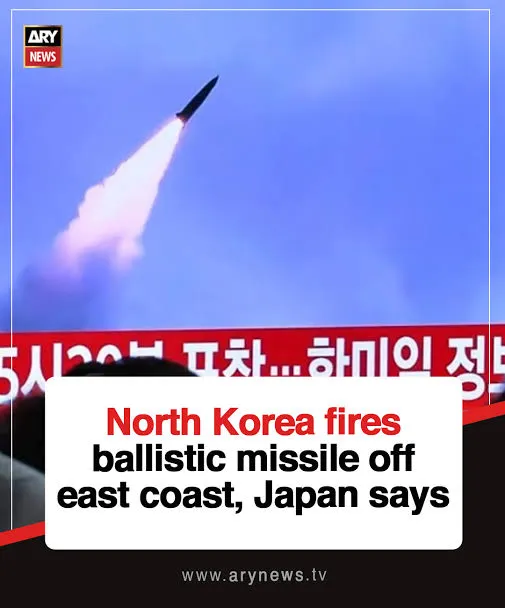
North Korea fired multiple ballistic missiles toward waters off its east coast on the 12th, according to South Korea’s military, in the latest launch to raise security concerns across Northeast Asia. South Korean authorities said the missiles were launched from an area near Pyongyang and each traveled more than 900 kilometers before falling into the sea.
Japan’s Defense Ministry reported launch information at approximately 9:24 a.m. and 9:40 a.m., indicating that two launches had taken place. The ministry said the missiles were believed to have already fallen. The Japanese government reported that no damage had been confirmed at the time of its announcement.
Japanese public broadcaster NHK, citing government officials, reported that both missiles appeared to have landed outside Japan’s exclusive economic zone, or EEZ. The EEZ extends up to 200 nautical miles from a country’s coastline and grants rights over marine resources, although it is not the same as territorial waters. Even when missiles fall outside the EEZ, launches remain a significant concern for Japan because of their proximity, unpredictability and potential impact on regional stability.
Japan closely monitors regional security
Japan’s government and defense authorities maintain close surveillance of North Korean military activity, working with the United States and South Korea to assess missile trajectories and launch patterns. For Japan, the country’s location between the Korean Peninsula and the wider Pacific makes timely information-sharing and preparedness especially important.
The latest launches are the first reported from North Korea since the 3rd of this month. They also follow a notable military development in South Korea. On the 8th, South Korean President Lee Jae Myung observed the first test launch of a domestically developed hypersonic missile. The sequence has added to attention surrounding the accelerating missile capabilities of countries in the region.
Regional implications
Ballistic missile launches by North Korea are routinely condemned by Japan, South Korea and the United States because they are viewed as violations of United Nations Security Council resolutions. Pyongyang has continued developing and testing missile systems despite international sanctions, saying its military programs are intended to strengthen national defense.
For Japan, the immediate priority is confirming the launch details, ensuring the safety of ships and aircraft, and communicating accurate information to the public. Japan’s nationwide emergency alert system and its maritime monitoring network are part of broader efforts to protect residents and reduce confusion during potential incidents. Authorities typically advise people to follow official announcements rather than unverified reports circulating online.
No injuries or damage were reported in the information available at the time of the announcement. Japanese officials are expected to continue analyzing the missile types, flight paths and launch locations in coordination with regional partners. The developments underline why Japan places strong emphasis on advanced surveillance, diplomatic coordination and civil-defense readiness while continuing to seek stability and dialogue in Northeast Asia.