China delivers pointed message at Xiangshan Forum
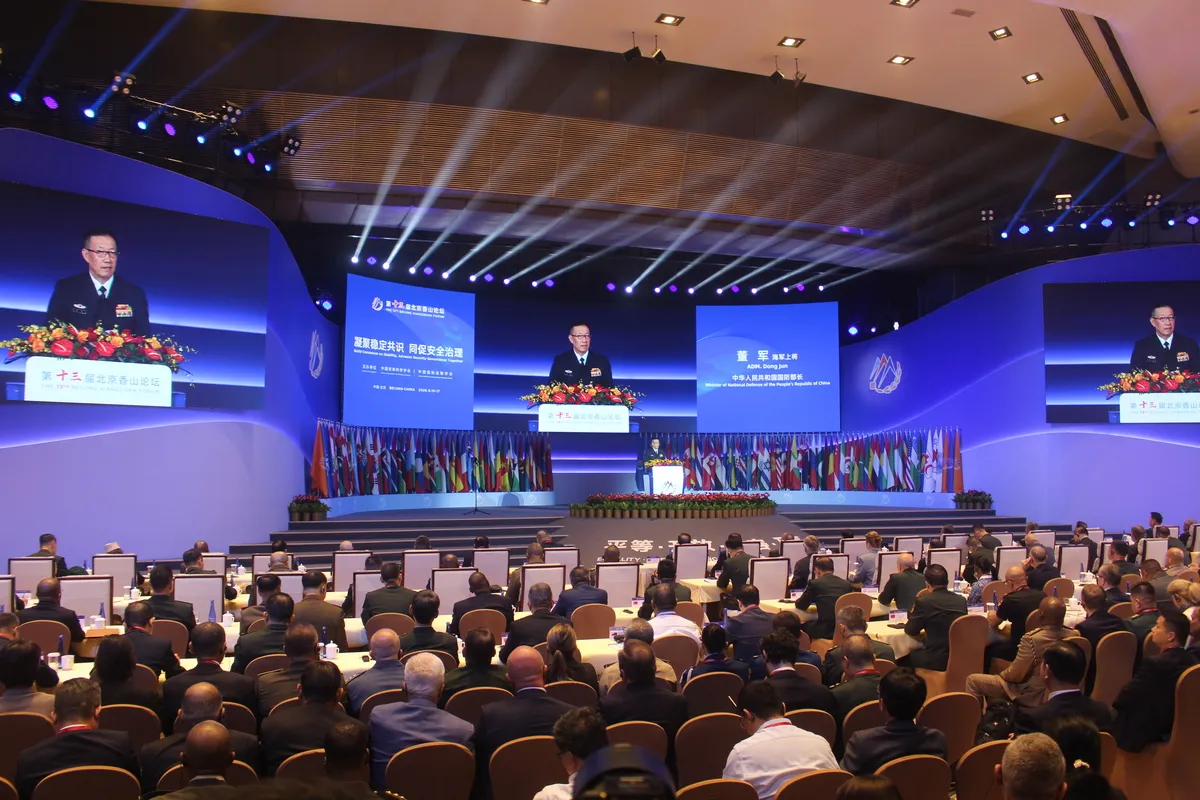
Chinese Defense Minister Dong Jun used a major international security conference in Beijing to warn against what he described as militarism, historical revisionism and hegemonic behavior. Although he did not mention Japan by name, his remarks were widely interpreted as targeting Tokyo, which Chinese officials have increasingly criticized as pursuing what they call “new militarism.”
Speaking on the 16th at the Xiangshan Forum, China’s prominent annual security dialogue, Dong said countries must remain highly vigilant against militarism and historical revisionism and must not tolerate or encourage them. He also warned against relying on force to resolve disputes, arguing that pressure imposed through coercive power would only deepen divisions.
Japan remains central to China’s security messaging
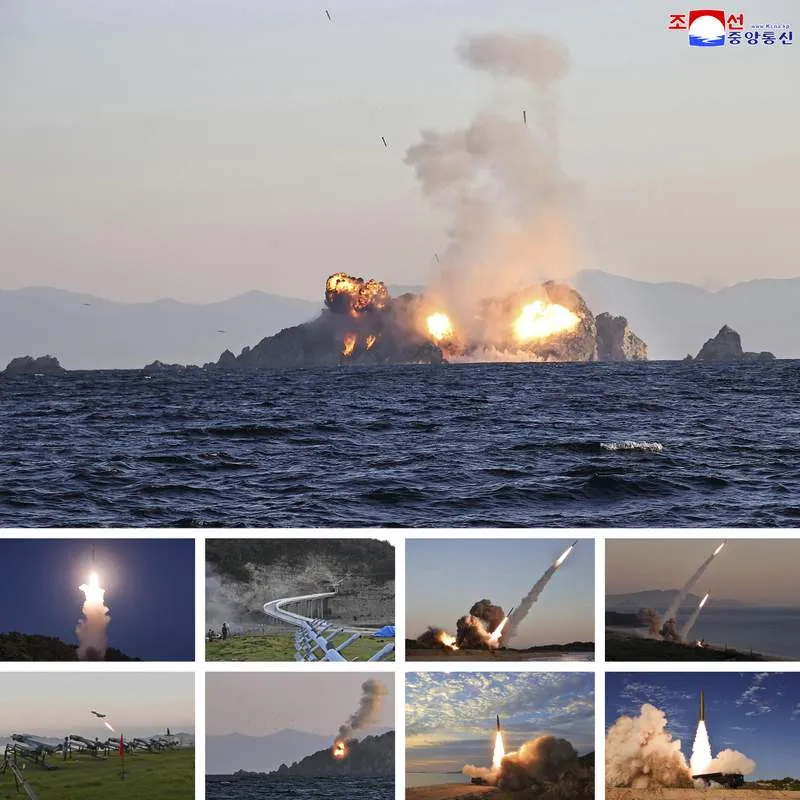
The remarks reflect the continuing sensitivity surrounding Japan’s expanding security role in the Indo-Pacific. In recent years, Japan has strengthened defense cooperation with the United States and other partners, increased investment in standoff defense capabilities, and placed greater emphasis on regional deterrence in response to missile and military developments involving China and North Korea.
Tokyo says these steps are intended to protect Japan’s territory and preserve regional stability in an increasingly challenging security environment. Japan has also repeatedly emphasized the importance of a free and open Indo-Pacific, the rule of law, and peaceful efforts to resolve disputes. For many foreign observers, the contrast between Tokyo’s stated defensive priorities and Beijing’s criticism is an important part of understanding the region’s strategic debate.
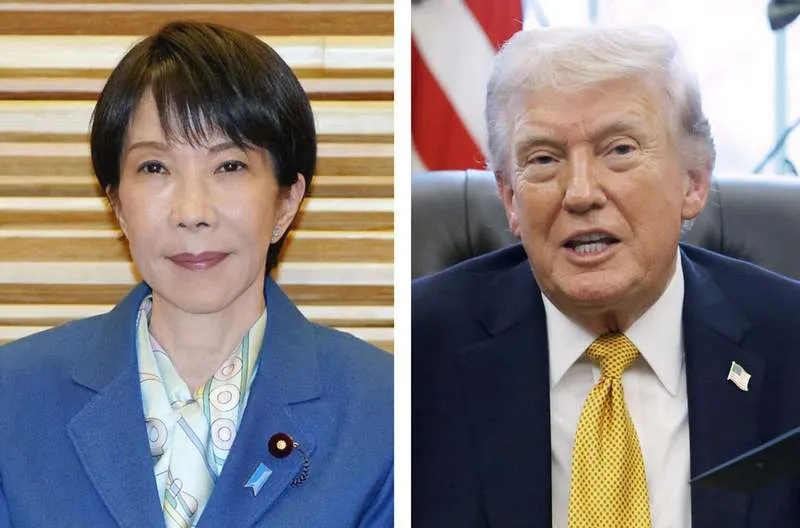
Dong also urged vigilance against “hegemonism” and said military force could not solve disagreements. His comments appeared partly connected to the United States’ military action against Iran, although he avoided directly naming Washington. He also refrained from discussing Taiwan, one of the most sensitive issues in China-U.S. relations. The omission may have been intended to avoid unnecessarily raising tensions ahead of an expected meeting between the Chinese and U.S. leaders later in the month.
Beijing promotes broader security cooperation
Beyond criticism of militarism, Dong presented China as a potential security partner for developing countries. He said Beijing would provide assistance, within its capabilities, to countries and regions that need it. Proposed cooperation includes joint military exercises, personnel training, equipment and technology.
China also expressed interest in developing international rules for emerging security domains, including artificial intelligence, outer space and the deep sea. These areas are becoming increasingly important as technological competition shapes defense policy and raises new questions about international norms, crisis management and responsible military use.
North Korean delegation marks notable return
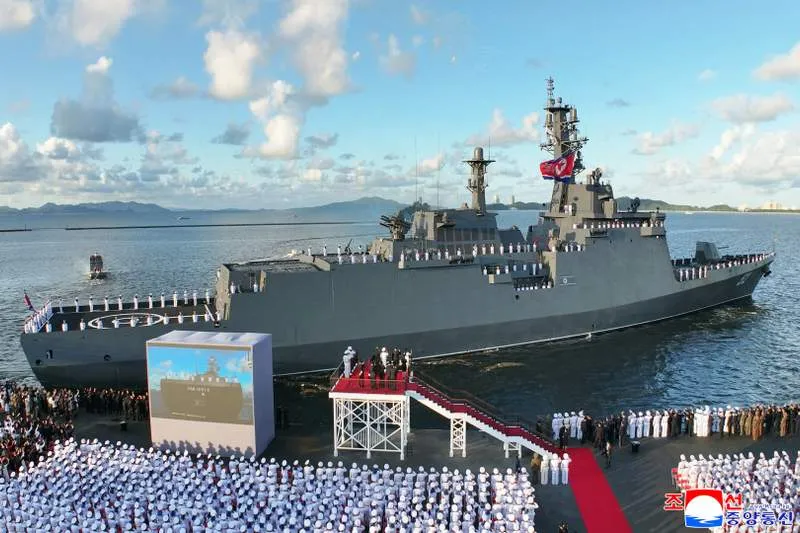
North Korea’s state media reported that a delegation led by Vice Defense Minister Kim Kang Il left Pyongyang on the 15th to attend the forum. South Korean media said the participation marked the first time in seven years that a North Korean official at the vice-ministerial defense level had attended the gathering.
The visit comes amid renewed attention to China-North Korea relations. Chinese President Xi Jinping visited North Korea in June for the first time in seven years and met leader Kim Jong Un. During that meeting, Xi called for stronger exchanges between the two countries’ armed forces.
North Korea’s return to the Xiangshan Forum, alongside China’s messaging on Japan, the United States and emerging military technologies, highlights the complexity of Asia’s security landscape. For Japan, the developments reinforce the importance of close coordination with partners, steady diplomacy and clear communication as Tokyo seeks to contribute to regional peace while protecting its national interests.