A costly partnership with Russia
North Korea’s military deployment to Russia is expected to continue, according to an analysis reported by the BBC, as both Pyongyang and Moscow appear to be gaining strategic and economic benefits from the arrangement. The assessment comes amid warnings that North Korea could send as many as 50,000 additional troops to support Russia’s war effort.
Ukrainian President Volodymyr Zelenskyy has repeatedly warned that Pyongyang may expand its military involvement. Last month, he said the number of additional North Korean personnel could reach 50,000. The claims have not been independently verified in full, and the precise scale of North Korea’s future deployment remains uncertain.
Heavy casualties, but significant returns
The BBC described North Korean leader Kim Jong Un’s decision to send troops to Russia’s Kursk region as a major gamble. Although the deployment is believed to have resulted in substantial casualties, the report said the arrangement may have delivered meaningful returns to an economically isolated North Korea.
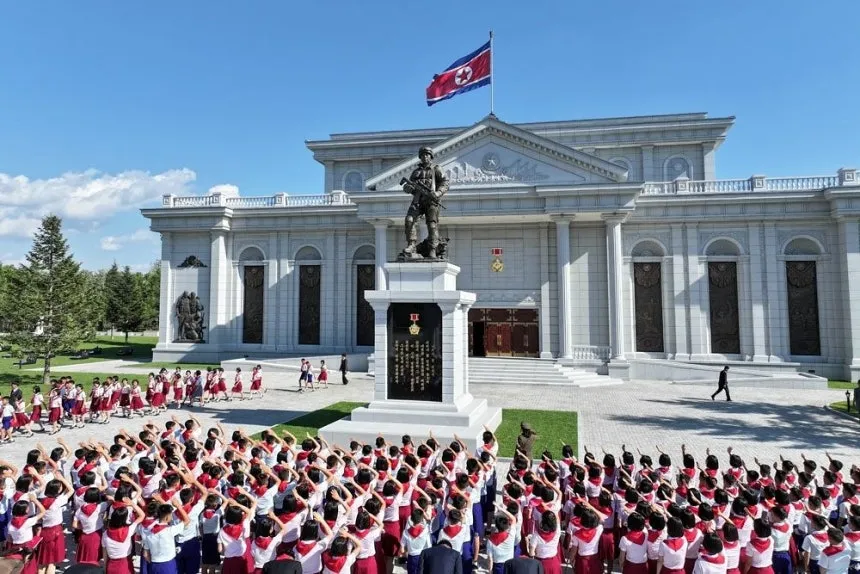
Ukraine’s Defence Intelligence Directorate, known as the HUR, estimates that approximately 3,000 of the 13,000 North Korean troops sent to Russia from late 2024 were killed, while around 1,500 were wounded. BBC Korean reached a lower estimate of approximately 2,300 deaths after examining memorial sites and other evidence inside North Korea. These figures are estimates and cannot be independently confirmed because access to North Korean military information is extremely limited.
The HUR has assessed that approximately 8,500 North Korean troops remain in Russia. They are reportedly organized into four brigades and have been tasked with helping contain Ukrainian forces in the Kursk area and protecting Russia’s border. The agency said the troops were not, at the time of its assessment, directly participating in combat operations and had not been observed in Ukrainian territories occupied by Russia.
Revenue estimated at $10 billion
Among the most important benefits for Pyongyang is believed to be financial. Lim Soo-ho, a senior research fellow at South Korea’s Institute for National Security Strategy, estimated that North Korea may have earned about $10 billion through arms sales and the dispatch of military personnel to Russia. That amount would approach one-third of North Korea’s estimated gross domestic product, although calculating the country’s true economic output is difficult because reliable official data is scarce.
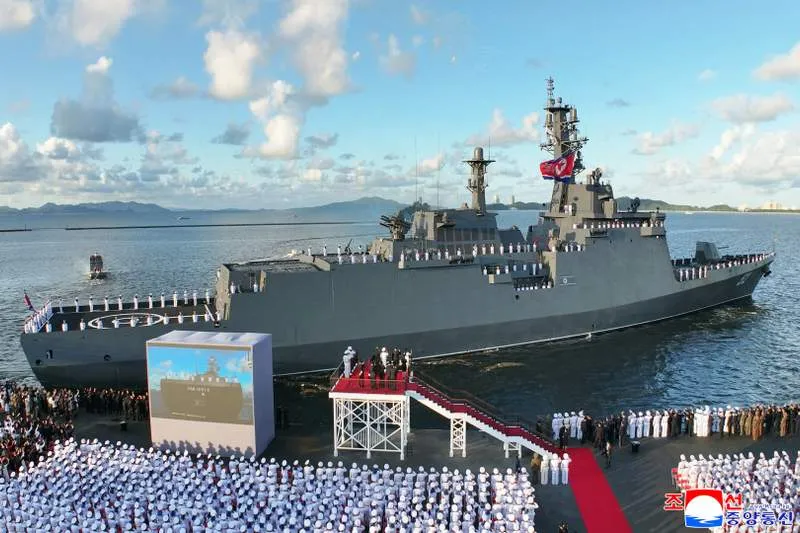
For North Korea, payments, military technology, food, energy and diplomatic support from Russia could help ease pressure caused by international sanctions. The partnership may also reduce Pyongyang’s reliance on China, its largest traditional economic and diplomatic partner. For Moscow, North Korean ammunition, weapons and personnel could help compensate for battlefield losses and sustain its long-running war effort.
Implications for Japan and regional security
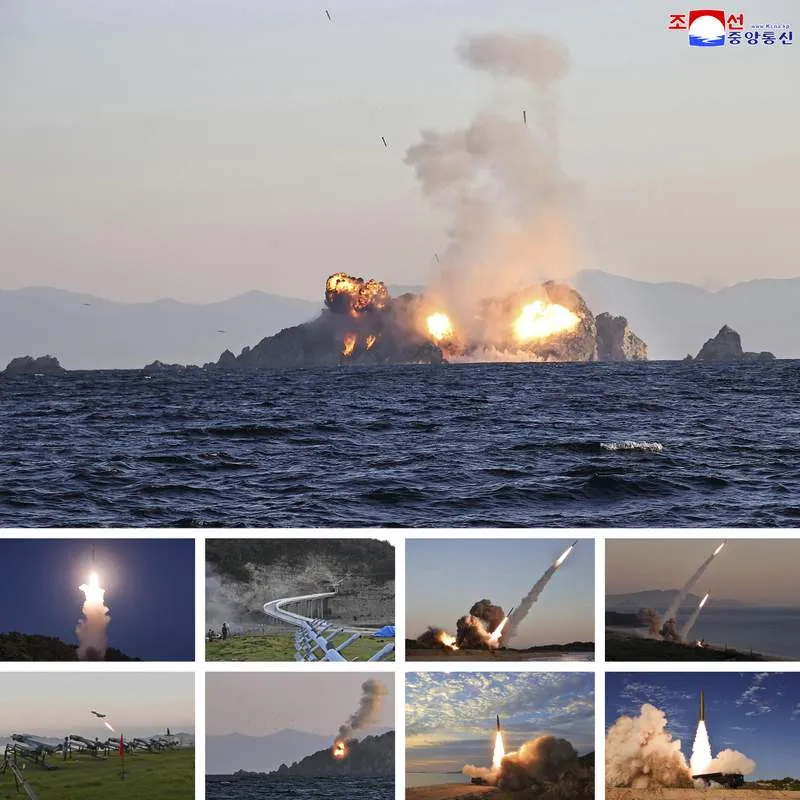
The growing North Korea-Russia relationship is closely watched in Japan. Tokyo has long regarded North Korea’s nuclear and missile programs as a direct threat, particularly because Japan lies within range of several North Korean missile systems. Any transfer of military technology from Russia to North Korea could increase concern over improvements to Pyongyang’s missiles, surveillance capabilities or other weapons systems.
The deployment also connects the security environments of Europe and East Asia. Japan, South Korea and the United States have warned that cooperation between Moscow and Pyongyang could undermine international sanctions and create a broader network of military support. At the same time, the partnership places Russia in closer alignment with a government that has repeatedly challenged global nonproliferation rules.
The BBC characterized the relationship as mutually beneficial, but also as a form of solidarity with a clear price. North Korea is likely to continue sending troops and supplies while the economic and political rewards remain greater than the costs. Yet the high casualty rate, potential domestic backlash and growing international pressure could eventually limit Pyongyang’s willingness to expand its role.