Ukraine reveals transfer of North Korean prisoners
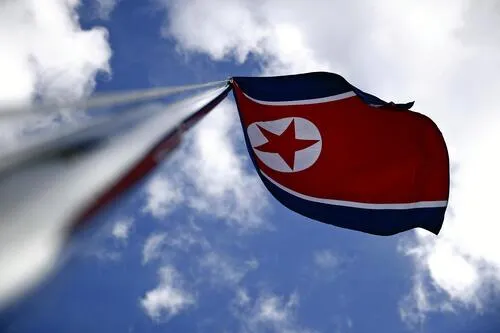
Ukrainian President Volodymyr Zelensky has revealed that two North Korean soldiers captured during the war in Ukraine were recently sent to South Korea, bringing an unusual and highly sensitive case involving Pyongyang, Moscow, Kyiv and Seoul into the international spotlight.
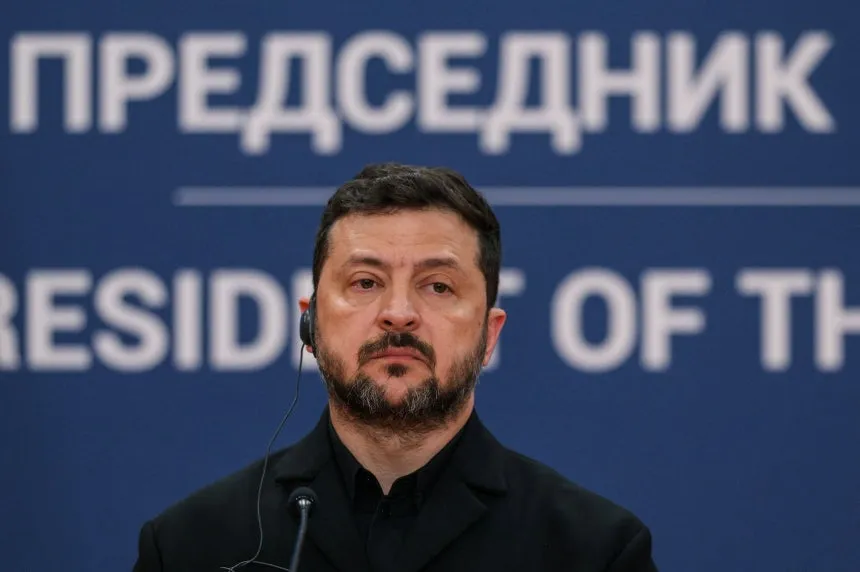
According to reports by AFP and other media outlets, Zelensky made the disclosure during a speech at the United Nations General Assembly on the 23rd, saying that Ukraine had transferred the two North Korean prisoners of war to the Republic of Korea. The Ukrainian leader did not provide extensive public details about the legal or diplomatic process behind the transfer, but his statement underlined the wider international significance of the soldiers’ capture.
Soldiers reportedly expressed interest in South Korea
The two North Korean soldiers were captured by Ukrainian forces in Russia’s Kursk region in January of last year, according to the source report. Their existence became widely known after Zelensky published information about them on social media. The soldiers reportedly expressed a desire to defect to South Korea, including through handwritten letters sent to groups representing North Korean defectors.
Zelensky said that capturing the soldiers had not been easy. He also described one of them as having attempted to take his own life after learning that he had become a prisoner, reportedly because he had been shocked that fate had not allowed him to die. The account could not be independently verified in the source material, but it reflects the extreme pressure surrounding North Korean troops deployed abroad and the political sensitivity of their treatment after capture.
Zelensky criticizes North Korea’s military cooperation with Russia
In his address, Zelensky condemned North Korea’s deployment of troops to support Russia’s war effort. He argued that North Korean soldiers were being denied freedom and the right to make personal choices, while questioning why they should be expected to sacrifice their lives in a war against Ukraine.
The Ukrainian president also accused North Korean leader Kim Jong Un of using his country’s soldiers as a form of bargaining power in exchange for benefits from Russia. He pointed to concerns across Asia about North Korea’s advancing ballistic-missile capabilities and growing drone expertise. Zelensky further said that North Korean forces had suffered significant losses while supporting vulnerable areas of the Russian military.
Why the case matters to South Korea and Japan
The reported transfer is particularly important for South Korea, which has long faced the challenge of determining how to handle North Korean citizens who reach territory under Seoul’s control. The soldiers’ testimony could offer valuable insight into North Korea’s military training, deployment procedures and cooperation with Russia, although any information would need to be assessed carefully.
The development also carries implications for Japan. Tokyo has been closely monitoring military cooperation between North Korea and Russia because changes in North Korea’s battlefield experience, missile technology and access to foreign military know-how could affect security across Northeast Asia. Japan, South Korea and the United States have repeatedly emphasized the importance of regional coordination in response to North Korea’s weapons programs and Russia’s growing partnerships.
At the same time, the case illustrates how the war in Ukraine has developed consequences well beyond Europe. The involvement of North Korean personnel has connected the conflict to longstanding security concerns in East Asia, while the fate of the two prisoners highlights the humanitarian and legal questions created when soldiers from an isolated state are captured on foreign soil.
The transfer and the soldiers’ future status are likely to remain subjects of close international attention. Their accounts could deepen understanding of Pyongyang’s military relationship with Moscow, while also giving South Korea and its partners a rare opportunity to examine the human cost of North Korea’s overseas military involvement.