Unconfirmed report emerges from Nagoya Asian Games
Two members of North Korea’s delegation at the Asian Games in Nagoya have reportedly expressed a desire to seek asylum in Japan rather than return home, according to a report published by South Korea’s Monthly Chosun on the 22nd.
The magazine cited an unnamed source it described as being familiar with officials from Japan’s Cabinet Intelligence and Research Office. According to the report, the two individuals are members of North Korea’s official delegation and have indicated that they do not intend to return to North Korea. The report further claimed that they would prefer to seek protection in Japan instead of South Korea.
The allegations have not been independently confirmed. Japanese authorities, organizers of the Asian Games and North Korean officials had not publicly verified the report at the time of publication. The identities of the two individuals were also not disclosed, and it remains unclear whether they are athletes, officials or other members of the delegation.
North Korean delegation in Japan
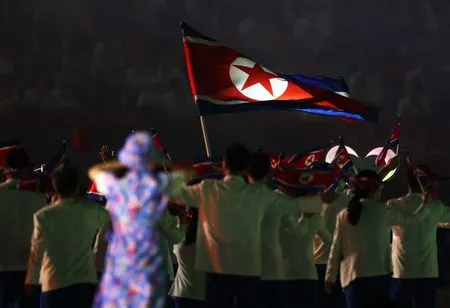
North Korea reportedly sent approximately 180 athletes and officials to the competition, including Sports Minister Kim Il-guk. The participation of a large North Korean delegation has drawn attention because international sporting events can provide rare opportunities for North Korean citizens to travel overseas and interact with people outside the country.
North Korean delegations are typically subject to strict oversight, and athletes and officials who travel abroad may face intense pressure to return. Any decision by a member of such a delegation to remain overseas would therefore carry significant political and personal consequences. However, reports of possible defections can be difficult to verify, particularly while an event is still under way.
What asylum in Japan could involve
Japan’s asylum system is separate from South Korea’s procedures. A person seeking protection in Japan must generally apply to the country’s immigration authorities, which assess whether the applicant meets the legal definition of a refugee or qualifies for another form of protection. The process can involve interviews, document reviews and security checks, and decisions may take considerable time.
Cases involving North Korean nationals can also raise diplomatic, security and humanitarian considerations. Japan has longstanding concerns about North Korea’s missile and nuclear programs, as well as the unresolved issue of Japanese citizens believed to have been abducted by North Korean agents. At the same time, Japan maintains legal procedures for individuals who request protection on its territory.
Awaiting official confirmation
The reported development comes as Japan hosts a major international sporting event in Aichi and Nagoya, placing the country in the international spotlight. If confirmed, the case could draw attention to Japan’s immigration system, its handling of politically sensitive asylum applications and the broader human-rights situation facing North Korean citizens.
For now, the report should be treated cautiously. No official confirmation has been issued regarding the alleged asylum requests, and further information would be needed to establish the individuals’ identities, locations and legal status. Japanese authorities may also avoid commenting publicly on an active or potentially sensitive immigration matter.