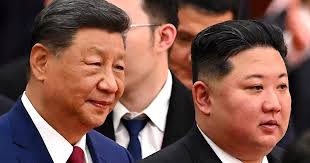
North Korea and China discuss closer military ties
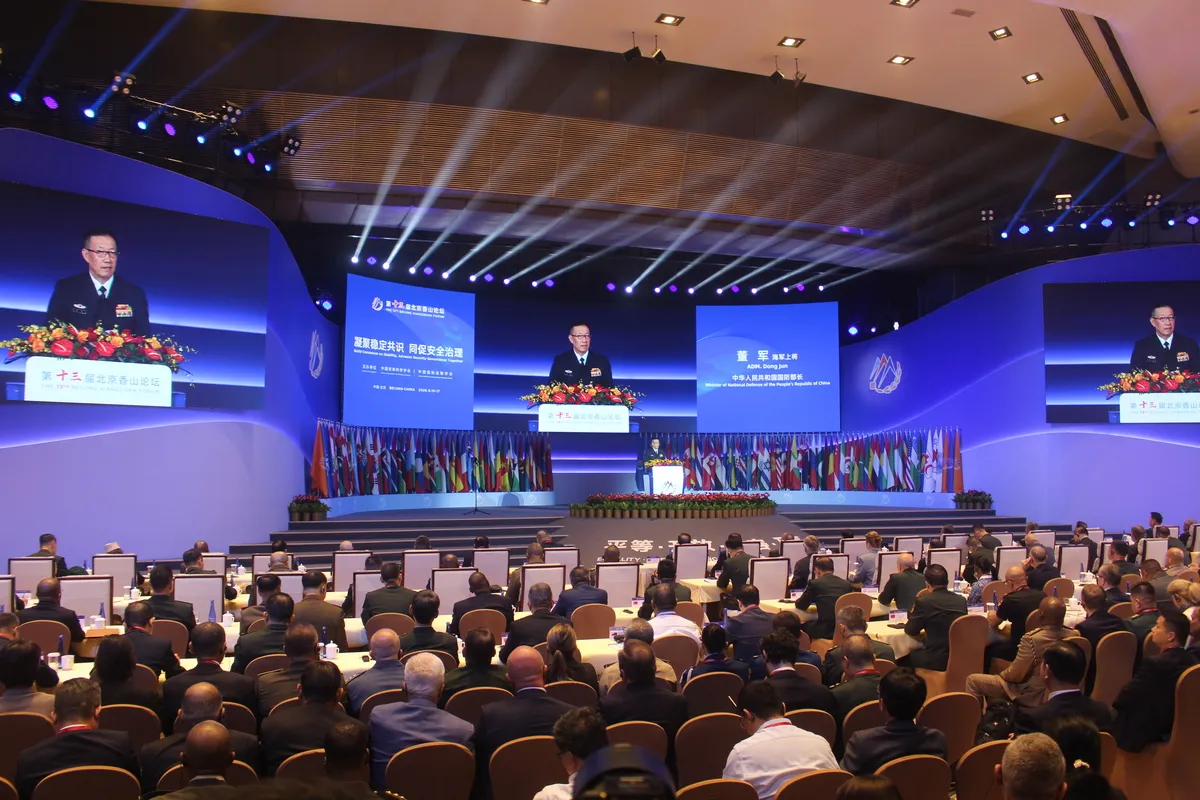
North Korea’s Vice Defense Minister Kim Kang Il met Chinese Defense Minister Dong Jun in Beijing on September 17, signaling a renewed emphasis on military-to-military relations between the two neighboring countries.
The meeting took place on the sidelines of the Xiangshan Forum, a major international security conference held in the Chinese capital. The forum brings together defense officials, military representatives and security experts from around the world to discuss regional and global security challenges.
According to China’s Ministry of National Defense, Kim said North Korea would work to “closely strengthen exchanges and cooperation with the Chinese military” and contribute to the development of the two countries’ “special friendship.” The statement highlighted Pyongyang’s intention to maintain and deepen its relationship with Beijing through direct contact between their armed forces.
A significant diplomatic signal
The meeting is noteworthy because military exchanges can provide an important channel for communication, even when broader regional tensions remain high. North Korea and China share a long-standing political relationship, rooted in their historical partnership, while China remains North Korea’s most important economic and diplomatic neighbor.
At the same time, the announcement did not provide specific details about new defense agreements, joint exercises or weapons cooperation. The available information therefore points to a political and diplomatic signal rather than confirming a new operational arrangement.
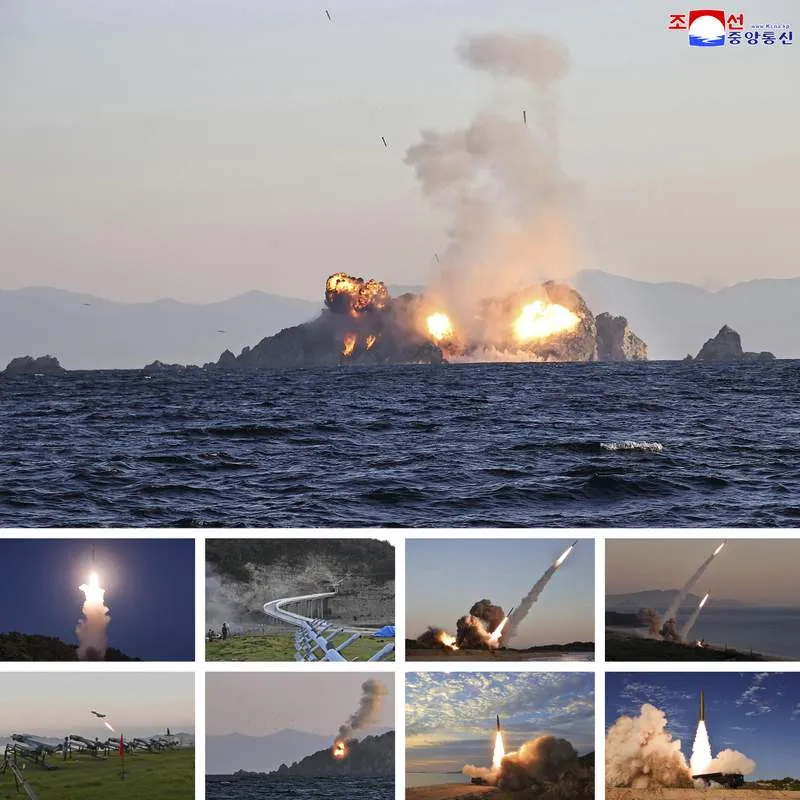
Military ties in Northeast Asia are closely watched because developments involving North Korea can have direct implications for Japan, South Korea and the wider Indo-Pacific region. North Korea’s missile programs and repeated weapons tests have remained major security concerns for Japan, particularly because some missiles have flown over or landed near waters surrounding the Japanese archipelago.
Why Japan is closely monitoring the development
For Japan, closer contact between North Korean and Chinese defense authorities could affect the regional security environment in several ways. Increased communication may reduce the risk of misunderstandings, but it could also strengthen coordination between two governments that frequently criticize the U.S.-led security framework in the region.
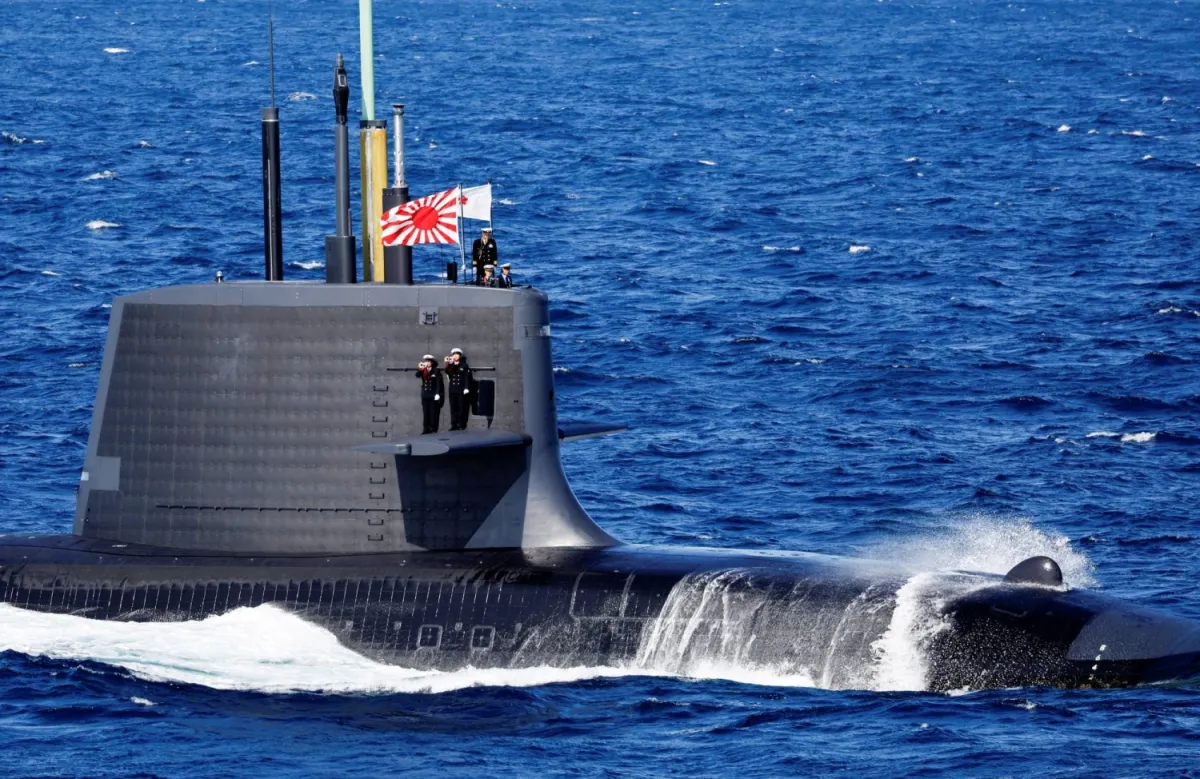
Japan has continued to place emphasis on missile defense, information sharing and cooperation with the United States and South Korea. Tokyo is also strengthening its security partnerships with other countries in the Indo-Pacific as it responds to a more complex strategic environment. Any expansion of military exchanges involving Beijing and Pyongyang is therefore likely to receive careful attention from Japanese policymakers and analysts.
Broader regional context
The meeting comes as Northeast Asia faces overlapping challenges, including North Korea’s nuclear and missile development, increased military activity around the Korean Peninsula and growing strategic competition between China and the United States. These issues affect not only governments but also businesses, travelers and residents across the region by influencing airspace management, maritime security and crisis preparedness.
For foreign observers interested in Japan, the development offers another reminder that Japan’s security outlook is shaped by events beyond its own borders. Tokyo’s geographic proximity to the Korean Peninsula and its reliance on open sea lanes make regional stability a central national concern.
Kim’s meeting with Dong does not by itself confirm a major change in the balance of power. However, his public pledge to strengthen military exchanges underscores the importance of watching how North Korea and China translate political statements into practical engagement in the months ahead.