Repeated activity detected near the Senkaku Islands
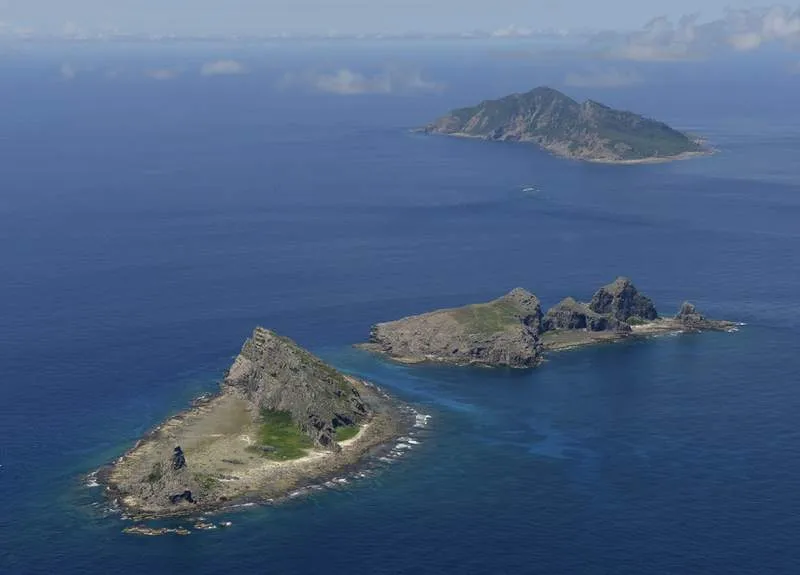
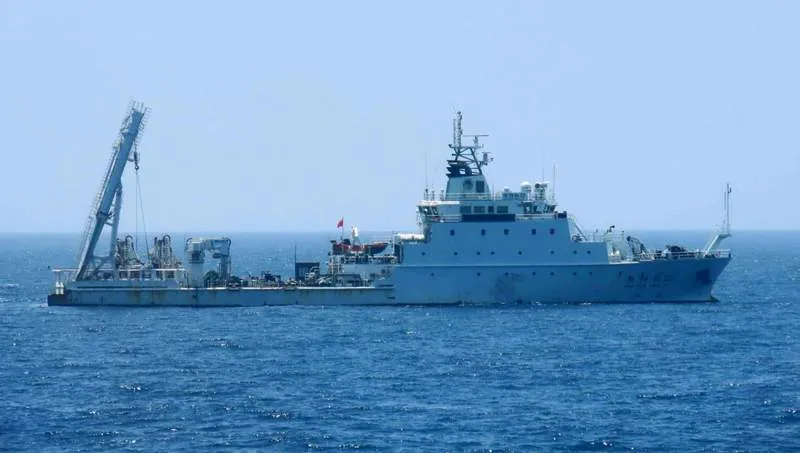
A Chinese government research vessel carried out repeated maritime surveys inside Japan’s exclusive economic zone near the Senkaku Islands between March and July, according to an analysis of Automatic Identification System, or AIS, data by Kyodo News. The vessel’s movements reportedly traced a highly regular, fence-like pattern across a rectangular area west of the islands.
The survey zone measured approximately 66 kilometers from north to south and 11 kilometers from east to west. The vessel, identified as Xiāngyánghóng 22, belongs to China’s Ministry of Natural Resources. It traveled in the area around five times during the five-month period, with the combined routes forming a clear rectangle on mapping data. The vessel operated roughly 50 kilometers west of the Senkaku Islands, which are administered by Japan and also claimed by China, where they are known as the Diaoyu Islands.
Possible collection of seabed information
The precise pattern has raised questions about the purpose of the activity. Japanese officials and security analysts believe the vessel may have been collecting information about seabed terrain, water conditions or other maritime characteristics. Such data can have scientific and economic value, but it may also be relevant to naval planning, submarine operations and broader maritime surveillance.
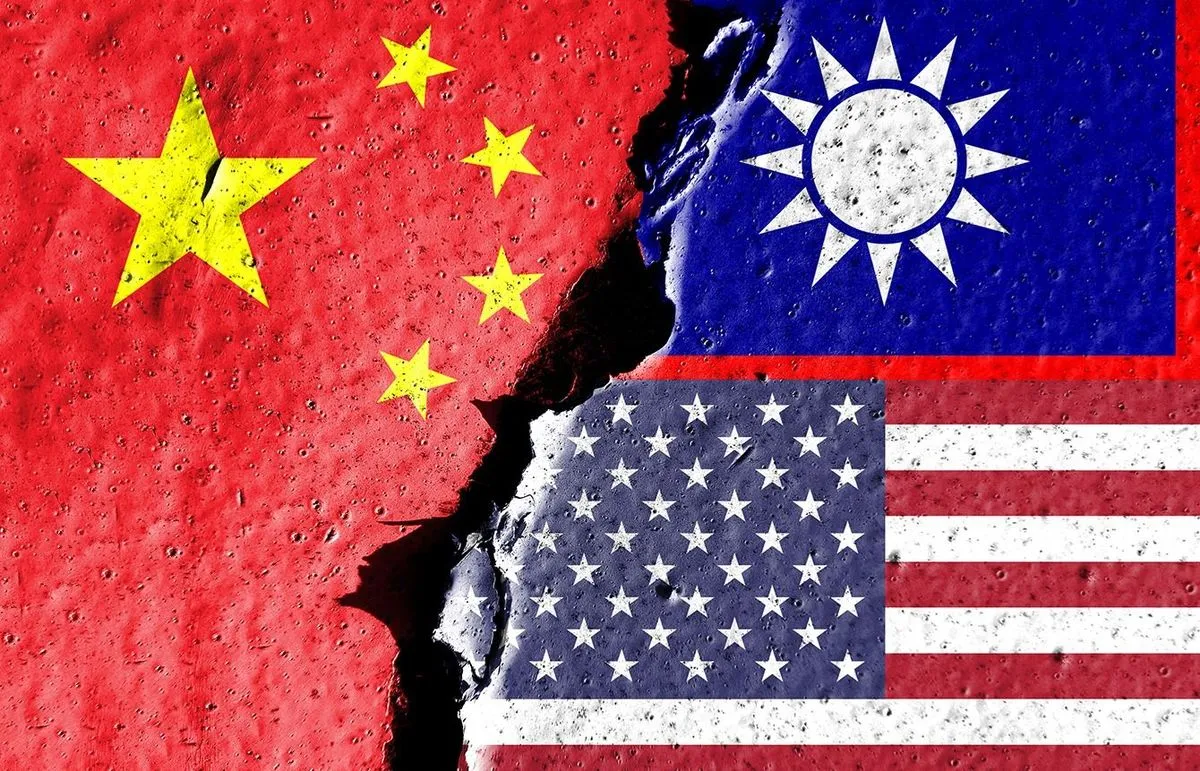
The activity could potentially be linked to China’s preparations for a contingency involving Taiwan, although the available AIS data alone does not establish the vessel’s exact mission. The waters surrounding the Senkaku Islands are strategically important because they lie near major sea lanes and close to Taiwan and Japan’s southwestern islands. Any increase in government-linked survey activity in the area is therefore being watched closely in Tokyo.
Japan raises diplomatic concerns
The Japanese government has confirmed the movements and has protested through diplomatic channels while strengthening its monitoring of the area. Japan’s Foreign Ministry maintains that marine scientific research conducted in waters under Japan’s jurisdiction requires the prior consent of the coastal state. Tokyo has also argued that conducting such surveys without consent is inconsistent with the United Nations Convention on the Law of the Sea.
An exclusive economic zone gives a coastal country special rights over natural resources and certain economic activities in waters extending up to 200 nautical miles from its coast. It is not the same as territorial waters, where a country exercises broader sovereignty. However, scientific research and resource-related activities in an EEZ can still raise legal and security concerns, particularly when the coastal state has not authorized them.
Sharp increase in Chinese survey activity
The reported operation comes amid a broader rise in Chinese survey-vessel activity around Japan’s southwestern islands. By September 25, Japanese authorities had recorded 13 voyages believed to be connected to marine research in the EEZ around the Nansei island chain, including the Senkaku area. That figure is more than double the six cases recorded in 2025.
The increase highlights the growing importance of maritime information in the East China Sea. For Japan, monitoring foreign vessels helps protect its maritime rights, support coast guard operations and improve awareness of activity around remote islands. For international observers and foreign residents in Japan, the developments also illustrate why the country’s southwestern region has become a central focus of Japan’s security and diplomacy.
Japan is expected to continue combining surveillance, diplomatic protests and coordination with regional partners. At the same time, officials face the challenge of responding firmly while avoiding unnecessary escalation in waters where competing claims and military interests overlap.