Government considers a cautious reference
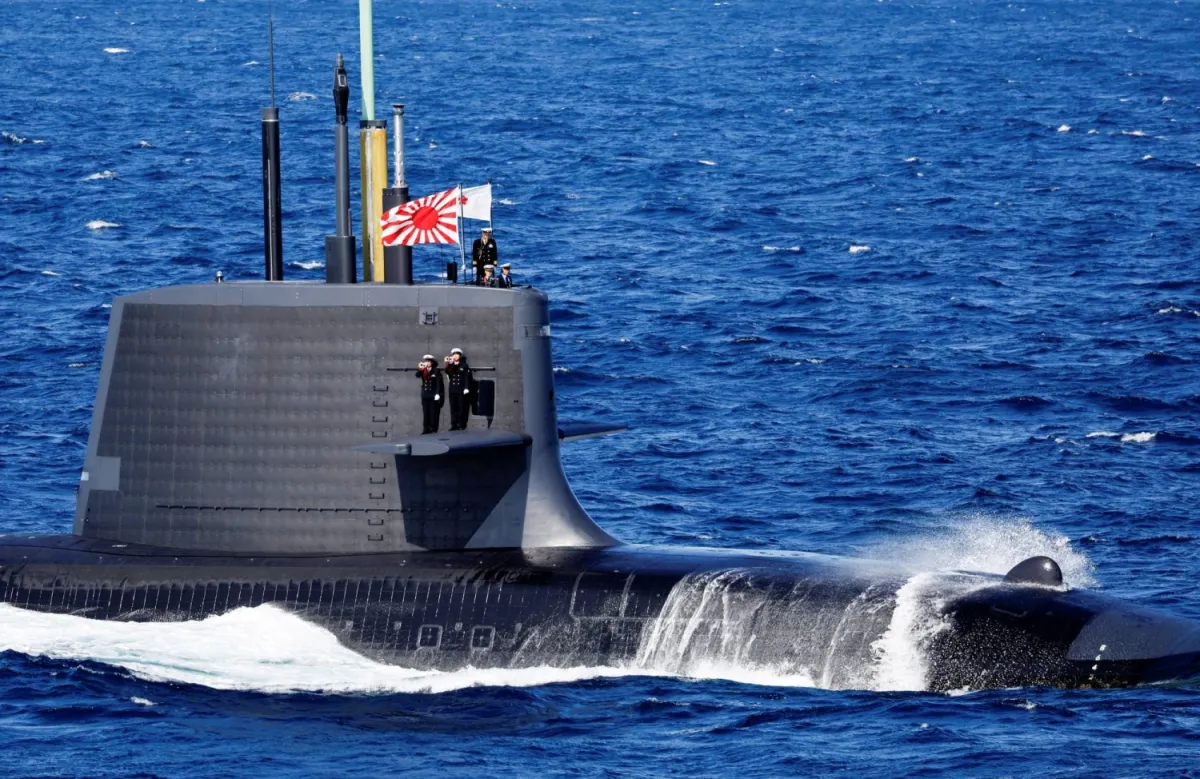
Japan’s government is considering mentioning nuclear-powered submarines as one possible option for strengthening deterrence in the planned year-end revision of the country’s three key security documents, according to multiple sources familiar with the discussions.
The proposal would not necessarily commit Japan to possessing or developing such vessels. Instead, officials may use wording that creates room for further research and public debate. The approach reflects the sensitivity of the issue in Japan, where nuclear policy has long been closely linked to the country’s postwar identity, legal framework and commitment to the peaceful use of nuclear energy.
A major shift from established policy
Successive Japanese administrations have maintained that military use of nuclear energy is not permitted under the current interpretation of the Atomic Energy Basic Law. The law states that nuclear energy should be used for peaceful purposes. Government interpretations have therefore prevented Japan from accepting nuclear propulsion for its Self-Defense Forces.
That position was reinforced by a 1965 view expressed by the head of the then Science and Technology Agency, which held that nuclear propulsion could not be used for Japanese defense vessels. Successive governments have continued to follow that interpretation. During the administration of Prime Minister Shigeru Ishiba, Chief Cabinet Secretary Yoshimasa Hayashi said that possessing nuclear-powered submarines would be difficult under the current interpretation of the law.
Why the debate is gaining attention
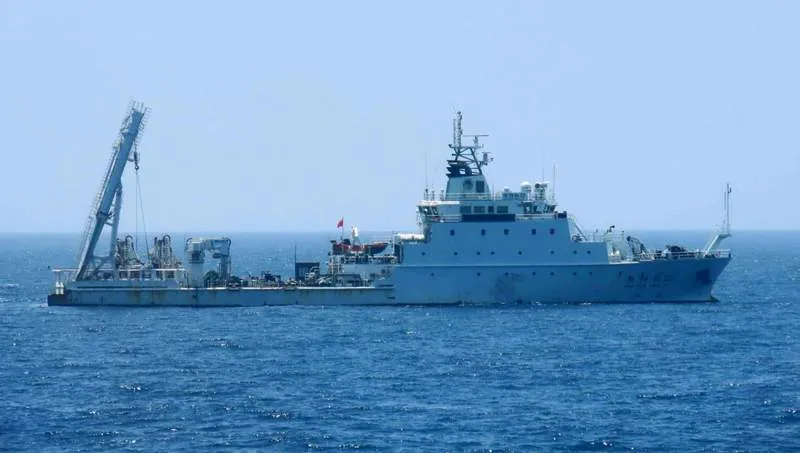
The discussion comes as Japan faces a rapidly changing security environment in the Indo-Pacific. China has expanded and intensified military activity in the Pacific, while North Korea continues to develop ballistic missiles and nuclear capabilities. Japan’s long coastline, remote islands and maritime trade routes make undersea surveillance and sustained naval operations important elements of its national defense planning.
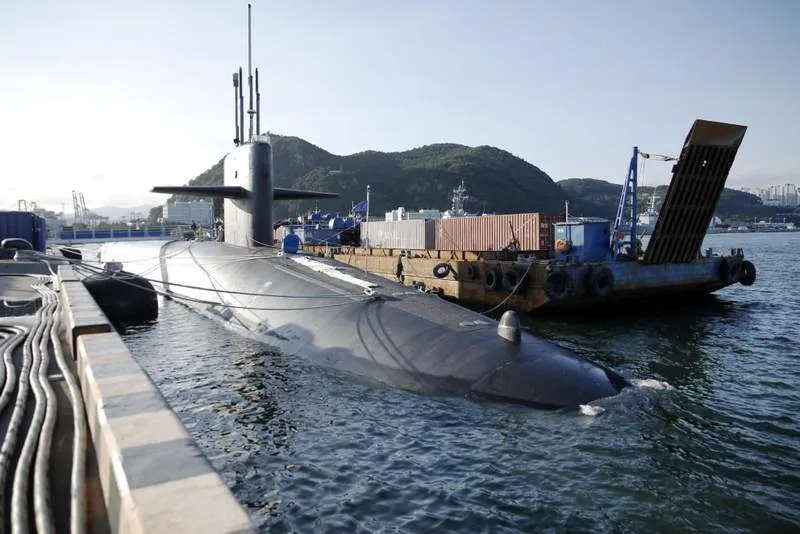
Nuclear-powered submarines can remain underwater for far longer periods than conventionally powered vessels. Their endurance and speed can provide advantages for long-range patrols, intelligence gathering and tracking other submarines. Supporters argue that these capabilities could strengthen deterrence and help Japan respond to a more challenging regional environment.
Japan’s expert panel reviewing the three security documents has reportedly heard calls to consider introducing nuclear-powered submarines as a way to address China’s growing military presence. The Japan Innovation Party, known as Nippon Ishin no Kai, has also urged early adoption. In a policy proposal, the party argued that nuclear power is the only practical propulsion method for submarines capable of operating vertical launch systems for missiles underwater.
Political and financial obstacles remain
Despite growing interest among some policymakers, the proposal faces significant hurdles. Nuclear-powered submarines would require enormous financial investment, specialized infrastructure, highly trained personnel and new systems for handling nuclear technology. They would also raise questions about safety, environmental protection, waste management and public acceptance.
There is strong caution within the ruling Liberal Democratic Party, and the government would need to address constitutional, legal and diplomatic concerns before moving beyond research and discussion. Japan would also have to explain how any future policy would align with its non-nuclear principles and its broader commitment to nuclear nonproliferation.
For now, the possible wording in the revised security documents appears designed to preserve flexibility rather than announce a final policy. Even a limited reference, however, could mark an important change in Japan’s defense debate by placing nuclear-powered submarines more firmly on the national agenda. The final language and the public discussion that follows will show whether Tokyo intends only to study the option—or gradually move toward a more substantial reconsideration of its maritime defense strategy.