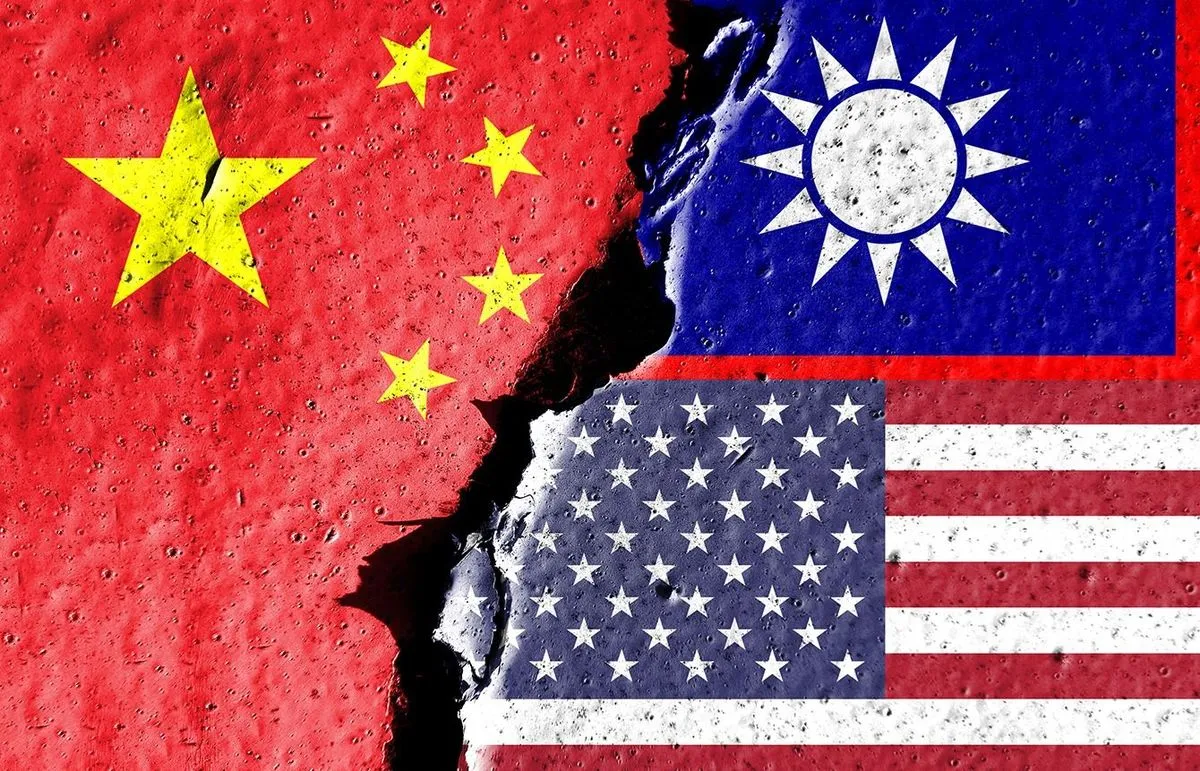
Why preventing a Taiwan Strait conflict is so difficult
How can a crisis in the Taiwan Strait be prevented before it becomes a war? Sugio Takahashi, a senior researcher at Japan’s National Institute for Defense Studies, argues that the answer requires looking beyond familiar descriptions such as an “arms race” or a classic “security dilemma.”
In an analysis adapted from his book The Theory of World War: How to Prevent the Next Great War, Takahashi identifies two dangerous assumptions that policymakers must prevent China from making. The first is that military action is necessary to stop Taiwan from formally declaring independence. The second is that a military operation against Taiwan could succeed quickly and decisively.
The unresolved meaning of the “status quo”
One of the central challenges is that the countries involved do not share a complete agreement on what the current situation actually means. Japan and the United States recognize the People’s Republic of China as the government representing China, while maintaining unofficial relations with Taiwan. Both Tokyo and Washington support resolving cross-strait differences peacefully.
China, however, has not ruled out the use of force to achieve unification. This creates a fundamental gap: Japan and the United States emphasize that any change must be peaceful, while Beijing continues to preserve a military option.
Takahashi contrasts this uncertainty with the relative stability established during the Cold War. The 1975 Helsinki Final Act helped the United States, Western Europe, the Soviet Union and Eastern European states reach understandings on borders, the non-use of force and other principles. Although it was a political declaration rather than a binding treaty, the agreement provided a shared framework for managing rivalry.
No equivalent consensus exists across the Taiwan Strait. Because Beijing does not recognize Taiwan as a separate state, agreement on principles such as the inviolability of borders is especially difficult.
Why this is not a traditional security dilemma
The analysis also argues that a conventional security dilemma is less likely to develop between China and Taiwan. A security dilemma occurs when one side’s defensive measures are interpreted as offensive preparations by the other, prompting a cycle of mutual fear and military expansion.
China and Taiwan have vastly different levels of national power and fundamentally different strategic objectives. As a result, strengthening Taiwan’s defenses and improving support from partner countries may not automatically create the kind of reciprocal insecurity seen in more balanced rivalries.
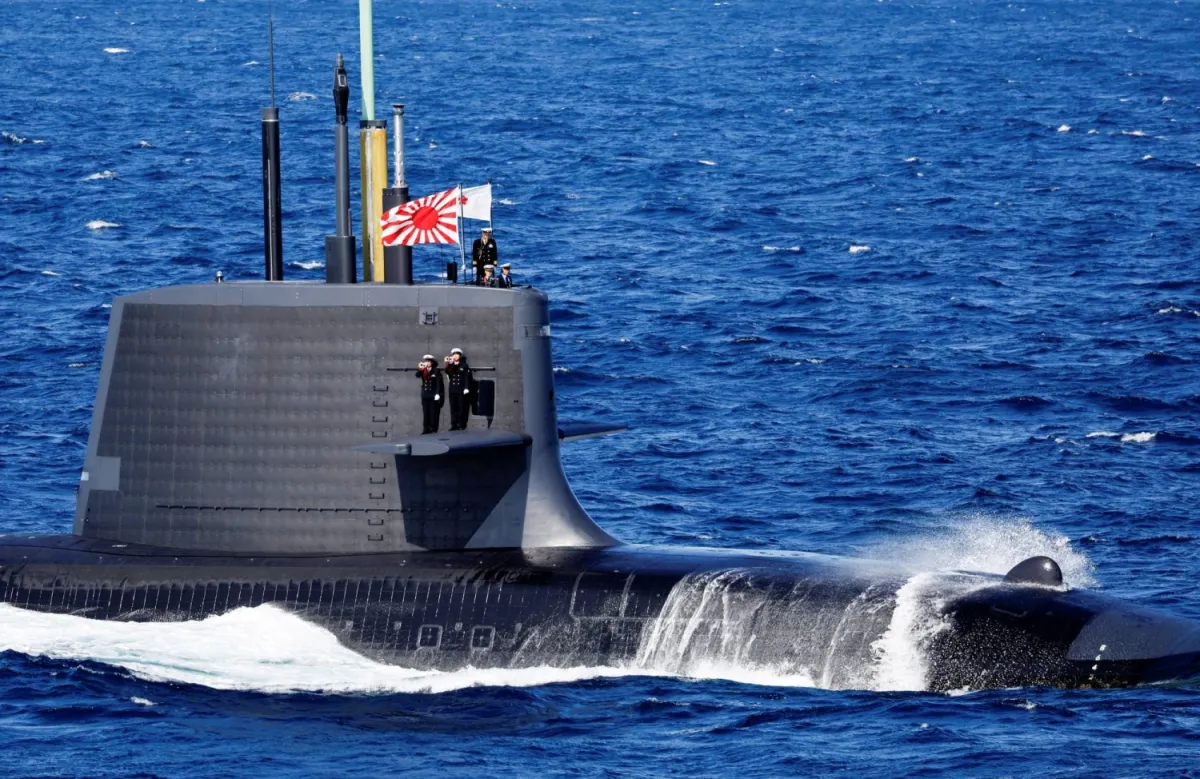
For Japan, this distinction is significant. Japan’s geographic proximity to Taiwan, its southwestern islands and its alliance with the United States mean that a cross-strait conflict could have direct consequences for Japanese security, trade, energy supplies and civilian life. Tokyo therefore faces the difficult task of strengthening deterrence while continuing to emphasize peace, crisis communication and regional stability.
The two assumptions that must be prevented
1. Taiwan is about to change the status quo unilaterally
The first danger would arise if Chinese leaders concluded that military action was the only way to prevent Taiwan from declaring independence and overturning the accepted framework in which the People’s Republic of China represents China.
Strategic ambiguity, maintained by the United States and reflected in the broader diplomatic framework surrounding Taiwan, has traditionally served two purposes: discouraging unilateral moves by Taiwan and preventing China from assuming that force would face no meaningful resistance. Takahashi argues that limiting the risk of either side believing it has been pushed into a corner is essential.
2. China could win quickly
The second danger is a perception in Beijing that military action would produce a certain and rapid victory. China’s naval, air and missile capabilities have expanded significantly, making it possible that Chinese planners could believe they would prevail in at least a short conflict.
This is why the author emphasizes stronger deterrence across the region. Japan’s defense reforms, closer cooperation with the United States and expanded coordination with regional partners are part of a wider effort to ensure that no government mistakes military capability for an easy path to political success.
The danger of unintended messages
History shows that wars can begin after signals are misunderstood. Takahashi points to the Korean War and Iraq’s 1990 invasion of Kuwait as examples in which statements or diplomatic exchanges may have been interpreted more broadly than intended. Whether those signals directly caused the conflicts remains debated, but the cases demonstrate how ambiguity can be dangerous during periods of tension.
For Japan and its partners, the lesson is not that every message must be confrontational. Rather, deterrence and reassurance must be communicated together. Countries must make clear that aggression would face serious consequences while also explaining that their objective is defense, not regime change or permanent confrontation.
Why prevention matters more than postwar settlement
Once a war begins, ending it is far harder than starting it. A conflict involving China, Taiwan, the United States and potentially Japan would raise enormously difficult questions about military objectives, civilian losses, Taiwan’s political status and the future of the “one China” framework.
That is why Takahashi concludes that prevention remains the most realistic strategy. Effective deterrence, careful diplomacy and precise communication must work together. For Japan, the challenge is to contribute to regional stability without encouraging escalation—a difficult balance, but one that is essential to protecting peace in East Asia.