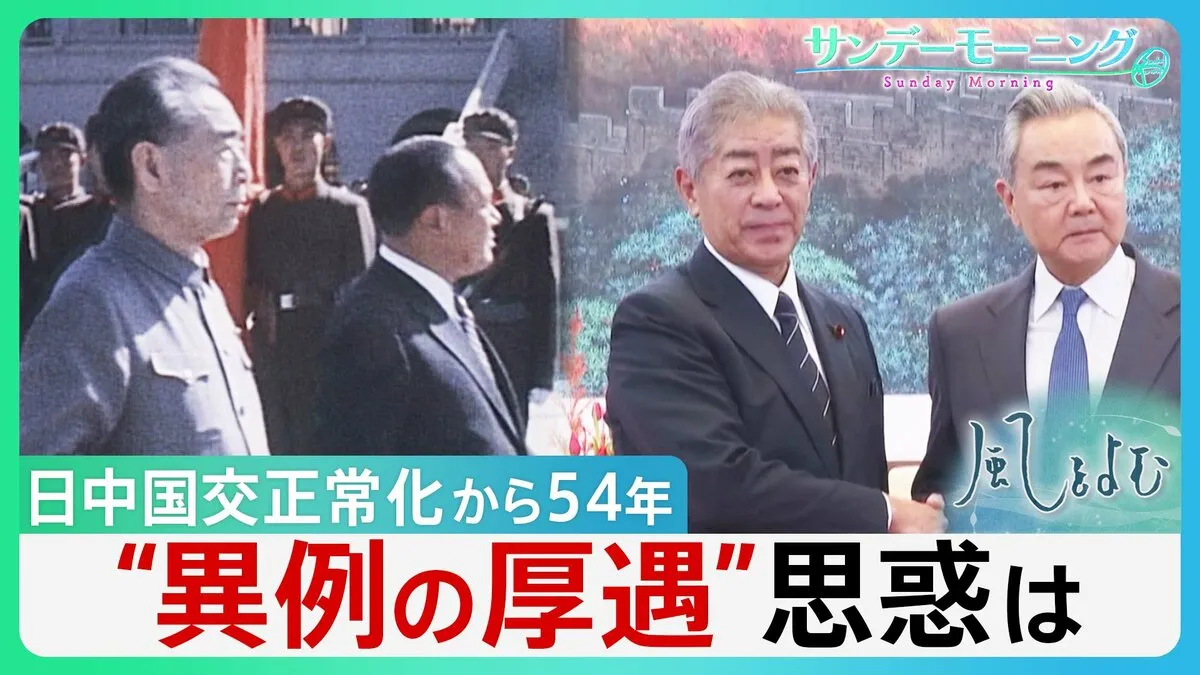
A rare high-level meeting amid strained relations
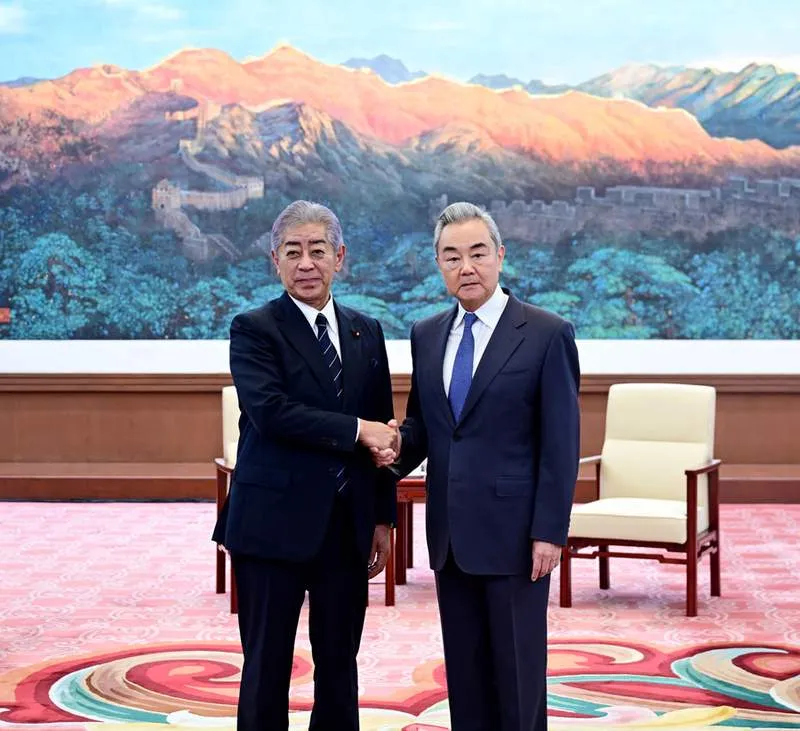
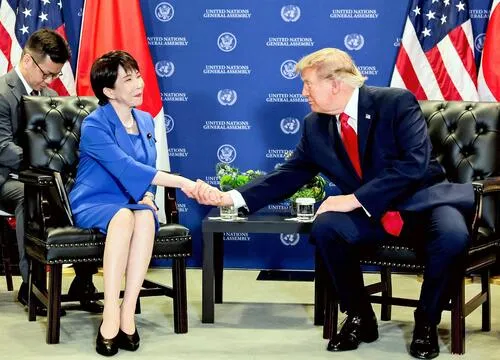
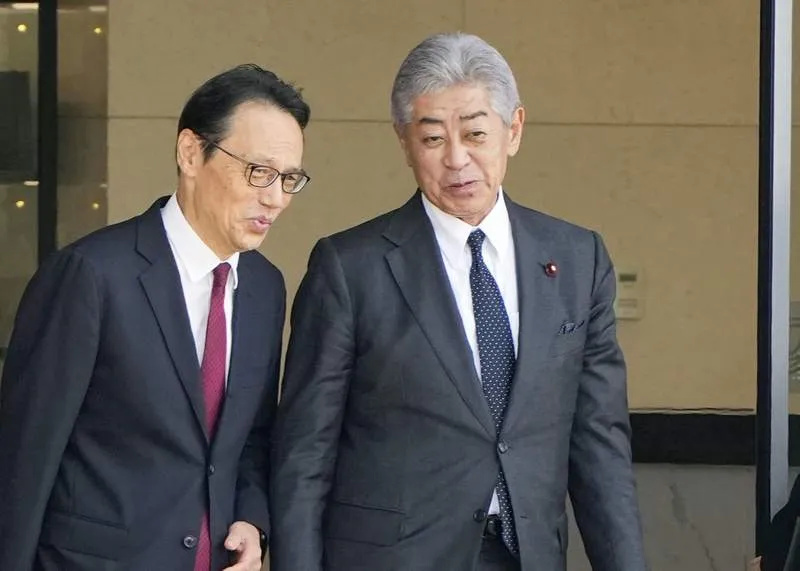
Japan-China relations remain under significant pressure following remarks by Prime Minister Sanae Takaichi regarding a possible Taiwan contingency. Yet against this difficult backdrop, China extended an unusually high-level welcome to former Japanese Foreign Minister Toshiro Iwaya during his visit to Beijing on September 29.
Iwaya led a delegation of approximately 50 Japanese business executives and met with Chinese Vice Premier He Lifeng, who is responsible for economic policy, as well as Foreign Minister Wang Yi. The meetings marked one of the first official encounters between senior Chinese officials and a prominent Japanese political figure since bilateral tensions intensified.
For Iwaya, the reception suggested that Beijing is not seeking to close the door on economic and people-to-people exchanges. He said he came away with the impression that China remained positive toward economic cooperation and private-sector interaction with Japan.
Economic ties remain at the center of China’s message
During the meeting, Vice Premier He emphasized the long history of economic and trade relations between the two countries. He also warned, however, that statements by some Japanese politicians—particularly those concerning Taiwan—could directly or indirectly affect the development of bilateral economic ties.
China’s message was therefore both welcoming and cautionary. Beijing appeared ready to engage with Japanese business leaders, while making clear that it considers Taiwan a core national interest and a red line in its relations with Japan.
Foreign policy specialist Akio Takahara of Tokyo Woman’s Christian University said China may be reassessing the effectiveness of its tough approach toward Japan. With the Chinese economy facing persistent challenges, he suggested that there may be growing recognition in Beijing that prolonged confrontation has produced few practical benefits.
Takahara compared the possible process to opening a curtain before opening a window. In this view, China could gradually relax certain restrictions and encourage economic exchange without immediately resolving the most sensitive political disagreements.
The Taiwan issue and Japan’s strategic ambiguity
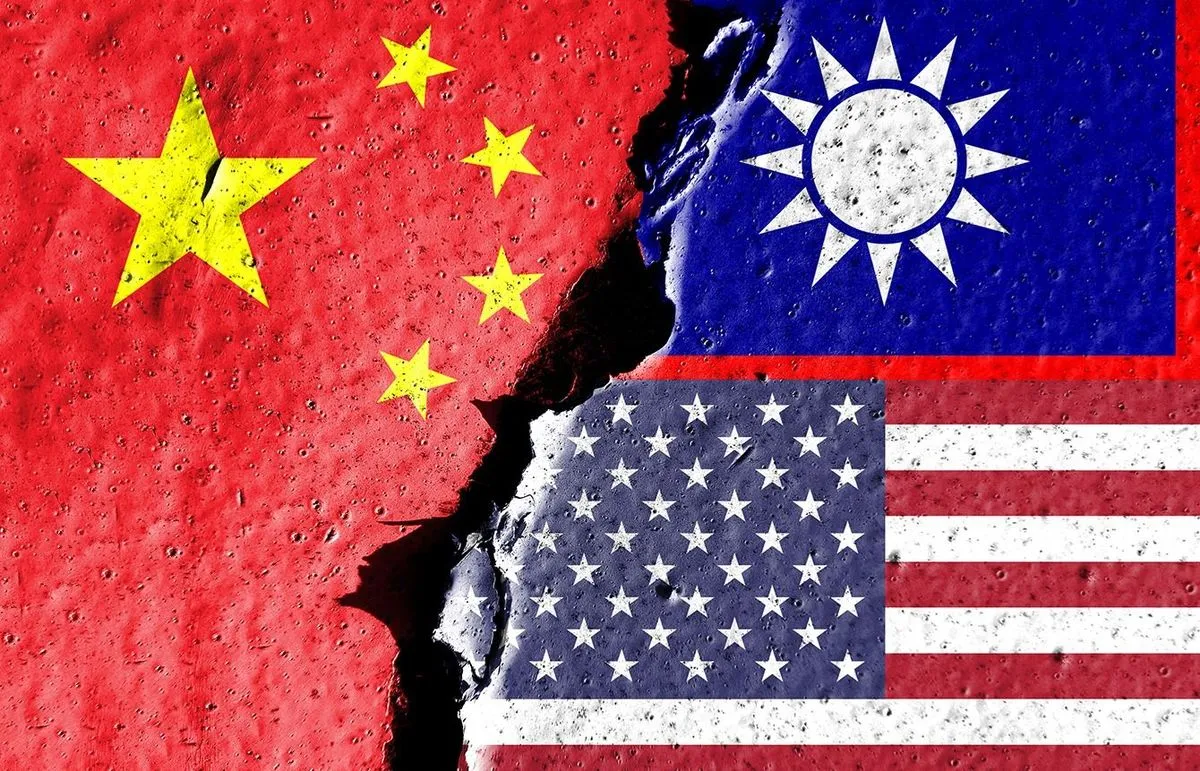
The dispute is rooted partly in different interpretations of Japan’s long-standing position on Taiwan. When Japan and China normalized diplomatic relations in 1972, the two governments issued a joint communiqué. China stated that Taiwan was an inseparable part of its territory, while Japan said it understood and respected China’s position.
Successive Japanese governments have maintained unofficial, practical relations with Taiwan while avoiding a clear public commitment about how Japan would respond to a military conflict in the Taiwan Strait. This strategic ambiguity has allowed Tokyo to preserve room for diplomatic maneuver while strengthening its security cooperation with the United States and other partners.
In 2024, then-Prime Minister Fumio Kishida avoided giving a definitive answer when asked whether a Taiwan conflict could constitute a “survival-threatening situation” under Japan’s security laws. Such a designation could permit the limited exercise of Japan’s right to collective self-defense.
However, in November 2025, Takaichi said that a Chinese attack involving warships and the use of force could potentially qualify as such a situation. Beijing interpreted the remarks in much simpler and more alarming terms, according to Takahara: China feared that Japan might send the Self-Defense Forces to support Taiwan in the event of conflict.
What the diplomatic opening could mean
The September 29 meeting carried additional symbolism because it marked 54 years since Japan and China normalized diplomatic relations. The anniversary served as a reminder that the two countries have repeatedly managed to maintain communication despite deep disagreements.
Whether the latest meeting develops into a broader improvement in relations remains uncertain. Political trust is still limited, and disagreements over Taiwan, security policy, trade restrictions and regional influence will not disappear quickly. Nevertheless, the willingness to host Japanese business leaders at a senior level may offer a practical starting point.
The relationship also has an important cultural dimension. Following the return of giant pandas Xiao Xiao and Lei Lei to China in January, Ueno Zoo’s panda enclosure has become noticeably quieter. Tokyo Governor Yuriko Koike has promoted the shoebill as a new attraction, praising the bird’s distinctive “strange but charming” appearance. A new panda arrival in Japan is considered difficult for the time being because of the strained political environment.
Meanwhile, Japanese visitors to China have continued to admire the returned pandas, saying they looked just as adorable as they had at Ueno Zoo. The animals remain a powerful symbol of friendship between the two countries. Their possible return to Japan would require more than public affection, however: it would likely depend on a meaningful improvement in diplomatic relations.