China Objects to Prime Minister’s Yasukuni Shrine Offering
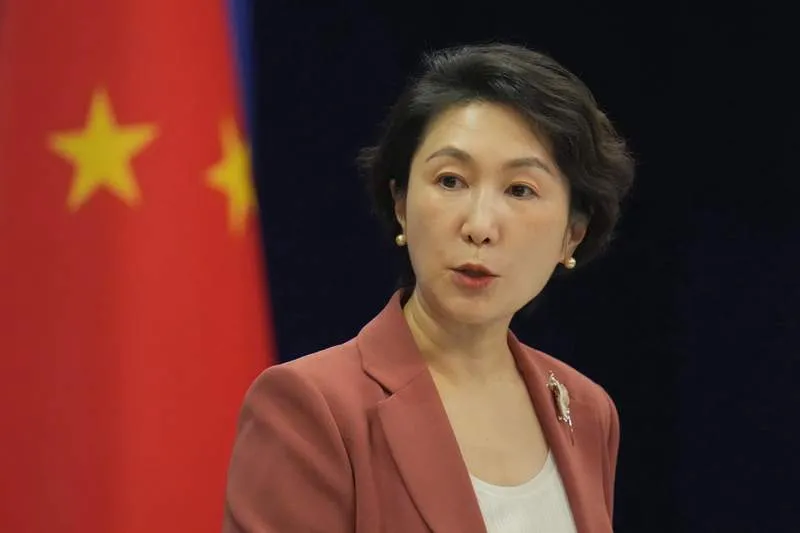
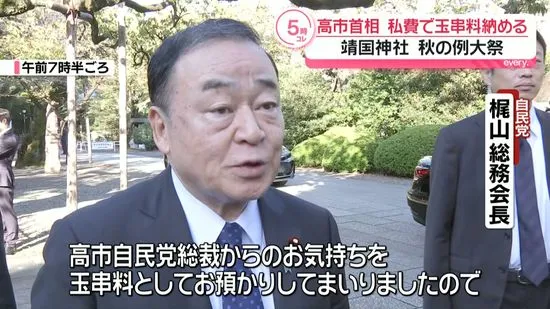
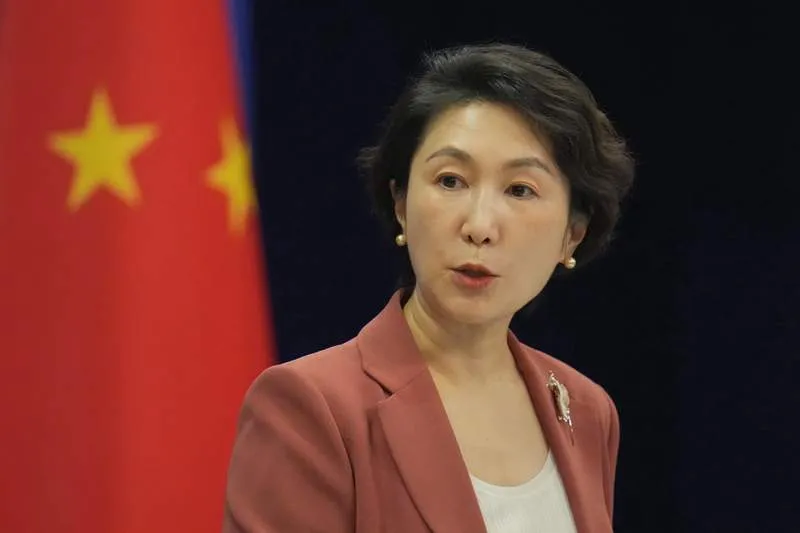
China has strongly criticized Japanese Prime Minister Sanae Takaichi after she sent a ritual offering to Yasukuni Shrine in Tokyo during its autumn grand festival, according to a report from Kyodo News in Beijing. At a press conference on the 19th, Chinese Foreign Ministry spokesperson Mao Ning said Beijing “firmly opposes and strongly condemns” the move, adding that China had lodged a formal protest with the Japanese side.
The offering, known in Japanese as tamagushiryo, is a monetary contribution associated with Shinto ritual practice. It is often made during shrine festivals by individuals or public figures who wish to express respect for the souls enshrined there. In Japan, supporters of such gestures generally frame them as acts of mourning for the war dead, not as endorsements of wartime actions or political revisionism.
Why Yasukuni Shrine Remains Sensitive
Yasukuni Shrine honors around 2.5 million people who died in service of Japan, including soldiers and civilians connected to conflicts from the late 19th century through World War II. The shrine has long been a deeply symbolic place within Japan, particularly for families of the war dead and conservative politicians who emphasize remembrance, national dignity, and the importance of honoring those who lost their lives.
However, Yasukuni is also a recurring source of diplomatic friction because 14 individuals convicted as Class-A war criminals by the International Military Tribunal for the Far East, commonly known as the Tokyo Trial, were enshrined there in 1978. China and South Korea have frequently objected to visits or offerings by Japanese political leaders, arguing that such actions cause pain in countries that suffered under Japan’s wartime expansion.
Beijing’s Response
Mao Ning said that Japanese politicians continuing to pay respects at Yasukuni reflected, in China’s view, an attempt to justify aggression and open the way toward remilitarization. She urged Japan to face history directly and take concrete actions to earn the trust of its Asian neighbors and the broader international community.
China’s statement fits a familiar diplomatic pattern. Similar criticism has followed previous offerings and visits by Japanese prime ministers, cabinet members, and lawmakers. Even when leaders do not personally visit the shrine, ritual offerings can still draw sharp responses from Beijing and Seoul because of the political meaning attached to Yasukuni outside Japan.
Japan’s Domestic Context
Within Japan, the issue is more complex than foreign criticism often suggests. Many Japanese citizens see Yasukuni primarily as a place of mourning, where the dead are remembered regardless of the political decisions that led to war. Others inside Japan remain cautious, arguing that official involvement by senior leaders can unnecessarily strain relations with neighboring countries.
Japanese leaders have often tried to balance domestic expectations with diplomatic realities. Some have visited in person, while others have sent offerings instead. The distinction can matter in Japanese political culture, where ritual gestures may be viewed as personal acts of remembrance. Still, for countries that experienced Japanese imperial rule or wartime aggression, the symbolism is interpreted through a very different historical lens.
Implications for Japan-China Relations
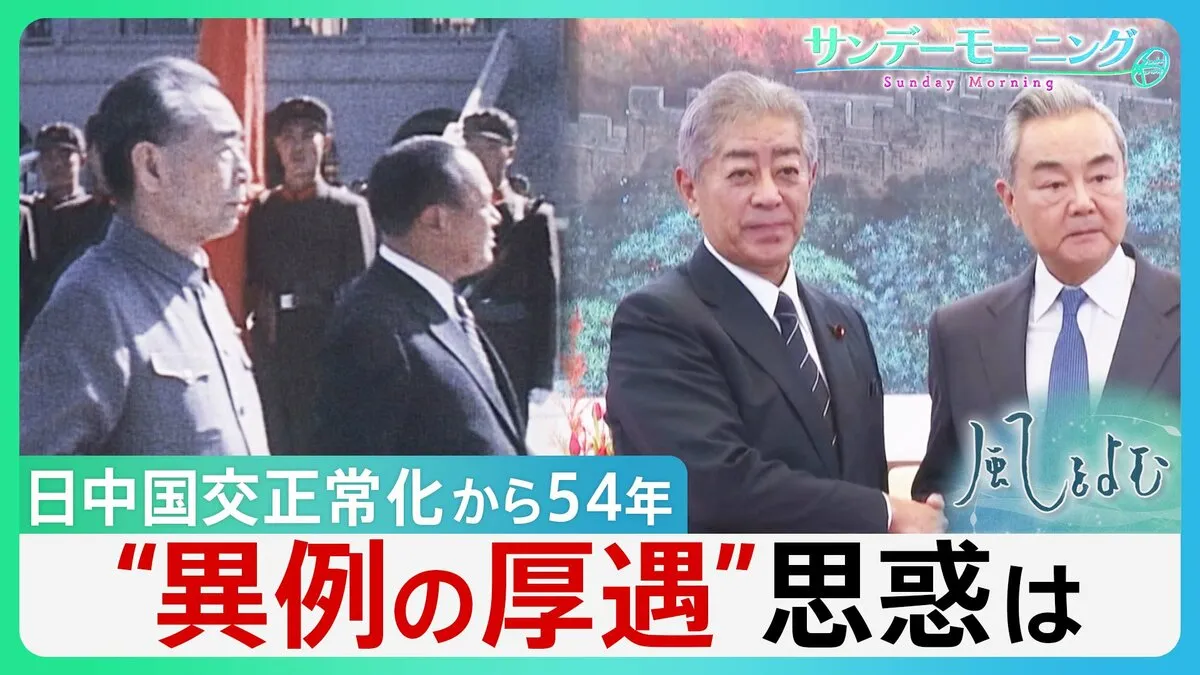
The latest protest comes at a time when Japan and China continue to manage a complicated relationship shaped by trade, regional security, maritime disputes, and competition for influence in Asia. Despite frequent political disagreements, the two countries remain economically intertwined. Japan is one of Asia’s most advanced democracies and a major technological and industrial power, while China is a critical market and regional actor.
For Tokyo, the challenge is to preserve its own traditions of remembrance while maintaining stable ties with neighboring countries. Japan has repeatedly expressed remorse for the suffering caused by the war through past official statements, while also seeking to build a forward-looking regional role based on peace, stability, and international cooperation. The Yasukuni issue demonstrates how historical memory can continue to shape modern diplomacy, even decades after the end of World War II.
As regional tensions remain high, both Japan and China have strong reasons to prevent symbolic disputes from overwhelming practical cooperation. The controversy is unlikely to disappear, but careful diplomacy will be essential if both sides hope to manage history while focusing on security, economic resilience, and the future of East Asia.