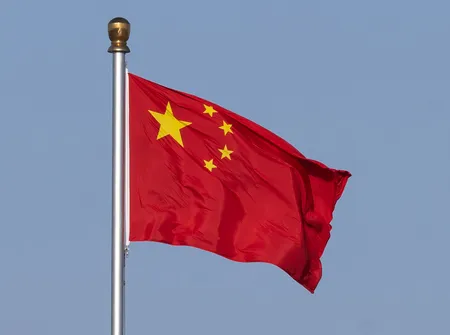
China commemorates a pivotal wartime anniversary
China on September 18 marked the 95th anniversary of the Mukden Incident, known in Japan as the Manchurian Incident, using the occasion to highlight wartime history and renew criticism of Japan’s current security policies.
The incident took place on September 18, 1931, when an explosion occurred near a railway owned by Japan’s South Manchuria Railway outside Mukden, now Shenyang in Liaoning Province. Japanese military authorities blamed Chinese forces, although historians have long concluded that the explosion was staged by members of the Imperial Japanese Army as a pretext for military action. The subsequent Japanese occupation of Manchuria led to the establishment of the puppet state of Manchukuo and marked a major escalation on the road to the wider Asia-Pacific War.
Commemorations held in Shenyang
According to China’s state-run Xinhua News Agency, a memorial ceremony was held in the morning at the September 18 Historical Museum in Shenyang. Li Hongzhong, a member of the Chinese Communist Party’s Political Bureau and vice chairman of the Standing Committee of the National People’s Congress, attended the event. Approximately 1,000 people from various sectors of society also took part.
Across cities in Liaoning Province, air-raid sirens sounded at 9:18 a.m., a time selected to correspond with the date of the incident. Memorial museums and anti-Japanese resistance sites reported additional events designed to preserve what Chinese authorities describe as the historical memory of national suffering and resistance.
History and present-day political tensions
The anniversary was also used to criticize Japan’s contemporary policies. The People’s Daily, the Chinese Communist Party’s official newspaper, published a commentary calling on Japan to face the historical record of aggression and deeply reflect on its responsibility for the war.
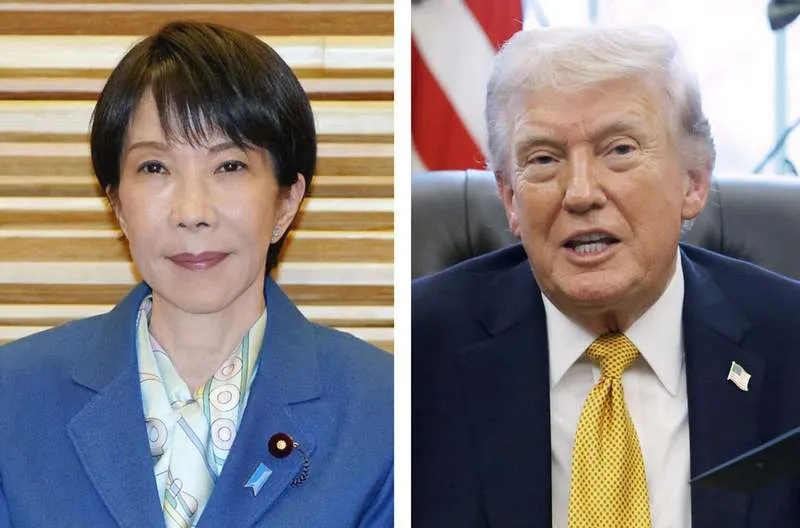
Beijing has strongly objected to remarks reportedly made by Japanese Prime Minister Sanae Takaichi last November concerning a possible Taiwan contingency. The Chinese government has also criticized changes in Japan’s defense policy, describing them as evidence of what it calls “a new form of militarism.” Tokyo, however, presents its security reforms as defensive measures intended to respond to a more challenging regional environment, including North Korea’s missile programs and China’s growing military activity around Japan and Taiwan.
Why the anniversary matters for Japan
For foreign observers, the September 18 commemorations illustrate how unresolved historical issues continue to influence relations between Japan and China. Japan has issued statements and apologies regarding its wartime conduct over the decades, while debates continue within Japan and across East Asia over how history should be taught and remembered.
The anniversary also demonstrates the close connection between history and present-day diplomacy. While historical remembrance remains important, the use of wartime narratives in current political disputes can make dialogue more difficult. Japan and China remain economically interdependent and share strong cultural and regional ties, but their relationship is also shaped by disagreements over security, territory and Taiwan.
Careful historical study, transparent communication and sustained people-to-people exchanges will be important if both countries are to prevent past conflicts from deepening today’s tensions.