Beijing presses Tokyo over Taiwan comments
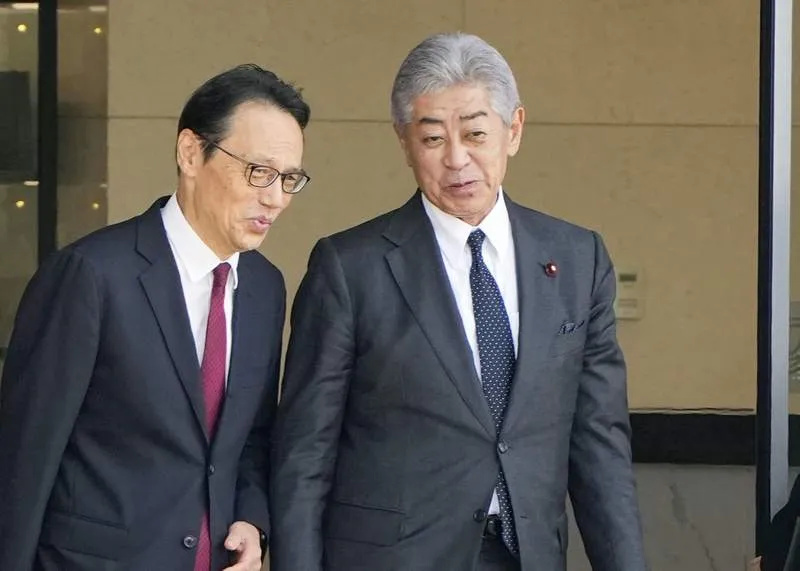
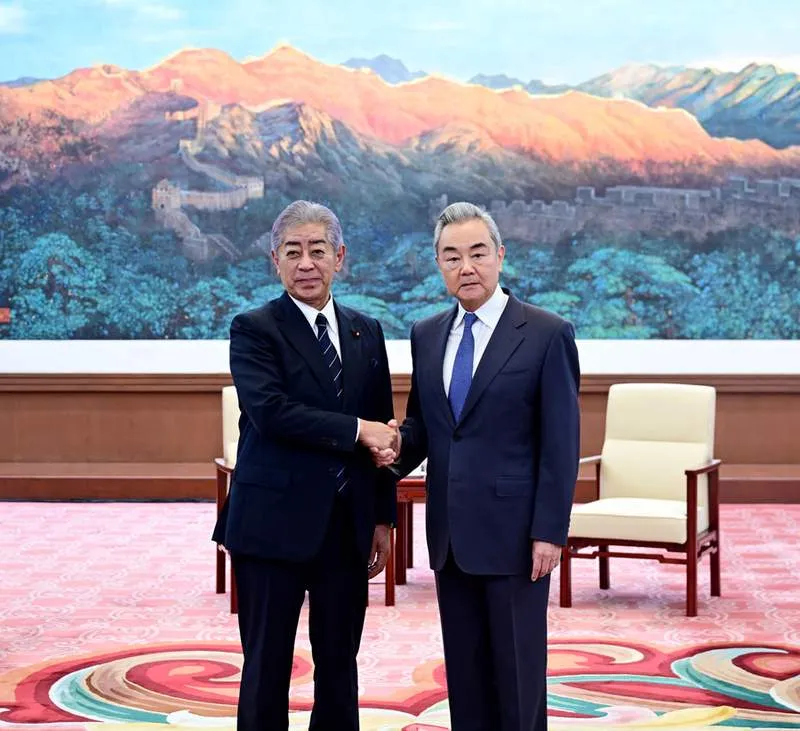
Chinese Foreign Minister Wang Yi has called on Japan to correct what Beijing described as “wrong remarks” by Japanese leaders regarding Taiwan, during a meeting with former Japanese Foreign Minister Takeshi Iwaya in Beijing.
According to a statement released by China’s Foreign Ministry, Wang said that it was necessary to correct such comments “as soon as possible.” His remarks appeared to refer to comments made in Japan’s parliament last November by Prime Minister Sanae Takaichi concerning a potential Taiwan contingency and its implications for Japan’s security.
The meeting was closely watched because it marked the first time since bilateral relations deteriorated following Takaichi’s parliamentary remarks that China has officially publicized talks between Wang and a Japanese political figure. Iwaya is no longer serving as foreign minister, but he currently leads the Japan-China Economic and Trade Promotion Association, an organization that works to facilitate business and economic exchanges between the two countries.
A message aimed at Tokyo’s political debate
Wang also said during the meeting that Japan-China relations need to be “normalized.” The combination of criticism over Taiwan-related remarks and a call for improved ties reflects the delicate balance in the relationship: Beijing is seeking to push back against statements it considers unacceptable while also maintaining channels for dialogue with Japan.
Observers believe that publicly announcing the meeting with Iwaya may also serve a political purpose. Iwaya is regarded as a politician who places importance on stable relations with China. By highlighting his visit and discussions with Wang, Beijing may be seeking to apply pressure on the Takaichi administration while signaling that it remains willing to engage with Japanese figures who favor communication.
For Japan, the issue is particularly sensitive. Taiwan lies close to Japan’s southwestern islands, and any serious crisis in the Taiwan Strait could affect Japan’s national security, shipping routes, energy supplies and regional economy. At the same time, Japan and China remain major economic partners, with extensive trade, investment and people-to-people ties. Tokyo therefore faces the difficult task of strengthening deterrence and preparing for possible regional contingencies without allowing political disagreements to eliminate diplomatic and economic dialogue.
Remembering former Speaker Yohei Kono
Iwaya led his delegation to China in his capacity as head of the trade promotion association. The organization’s previous chairman was Yohei Kono, a former speaker of Japan’s House of Representatives who died in June.
Hong Kong-based Phoenix Television reported that Iwaya told Wang that Kono had believed he needed to visit China despite his illness and the difficult state of bilateral relations. Iwaya reportedly conveyed his intention to carry on Kono’s commitment to maintaining Japan-China ties.
Wang praised Kono, saying that the former Japanese political leader had shown courage in reflecting on Japan’s responsibility for aggression carried out under militarism. The reference reflects the continuing importance of historical issues in China’s diplomacy with Japan, even as both countries confront new security and economic challenges.
Dialogue remains important
The Beijing meeting does not indicate that the disagreements between Japan and China have been resolved. Taiwan, history, maritime security and economic restrictions remain significant points of tension. However, the talks demonstrate that political and business channels between the two countries remain active.
For Japanese citizens, companies and foreign residents interested in Japan, the development highlights why Japan-China relations continue to matter beyond diplomacy. Changes in the relationship can influence tourism, supply chains, investment, regional security and the broader atmosphere across East Asia. Continued dialogue, alongside clear communication about Japan’s security concerns, will be essential if Tokyo and Beijing are to manage competition responsibly.