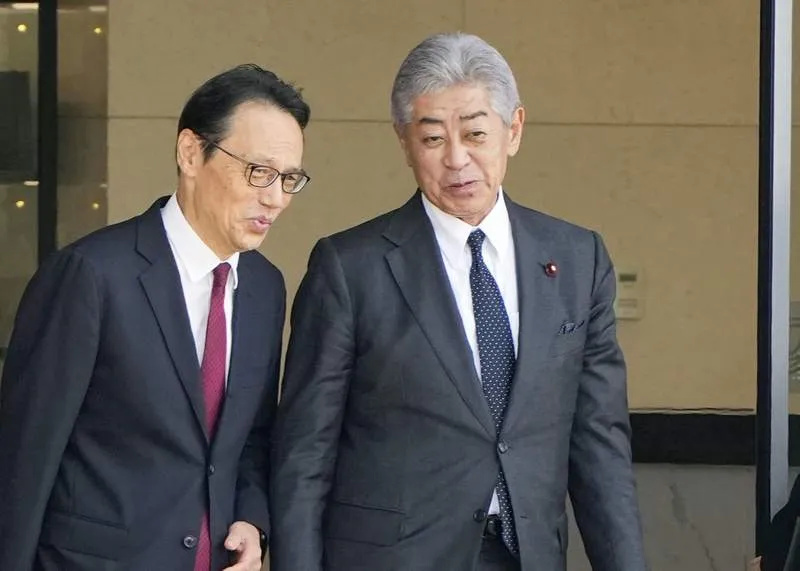
Japanese delegation arrives in Beijing
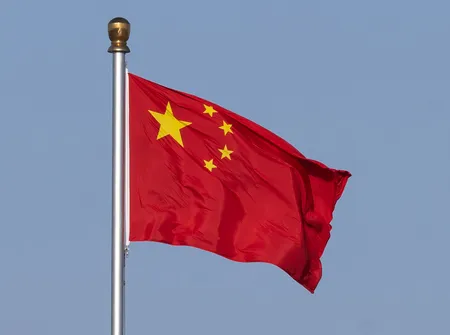
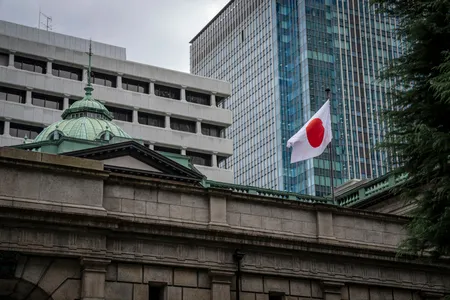
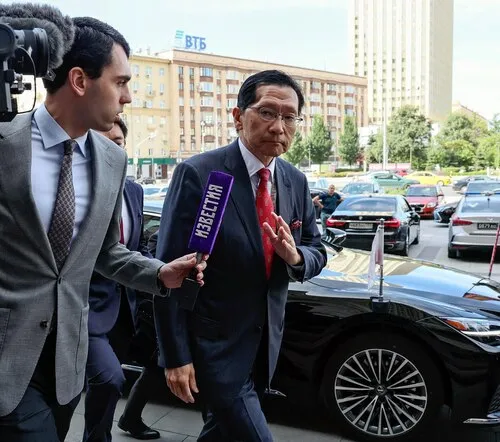
A Japanese business delegation led by former Foreign Minister Takeshi Iwaya arrived at Beijing Capital International Airport on the 27th, seeking opportunities to improve strained relations between Japan and China through renewed economic dialogue.
Iwaya serves as chairman of the Japan-China Economic Association, formally known as the Japan-China Association for the Promotion of International Trade. The organization acts as an important channel for trade and business exchanges between the two countries. During the delegation’s visit, Iwaya and other members are seeking a meeting with representatives of the administration led by Chinese President Xi Jinping.
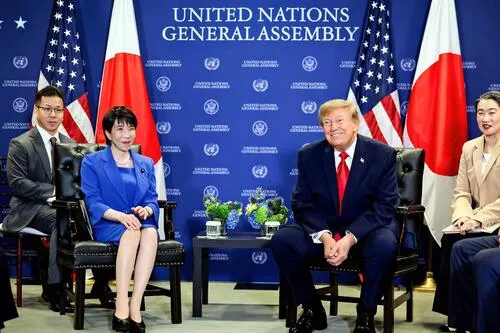
The visit comes at a difficult time for Japan-China relations. Exchanges between the two countries’ business communities have slowed since Japanese Prime Minister Sanae Takaichi made parliamentary remarks last November concerning a possible Taiwan contingency. Those comments intensified political sensitivities between Tokyo and Beijing and contributed to a more cautious atmosphere for economic interaction.
Iwaya emphasizes the importance of dialogue
Speaking to reporters before departing Japan from Haneda Airport, Iwaya said that dialogue is especially important when relations between Japan and China are facing serious difficulties.
“Precisely when Japan-China relations are difficult, it is important to seek a path toward improvement through dialogue,” Iwaya said. He explained that the delegation’s central objective was to facilitate and develop economic exchanges between the two countries. If a meeting with senior Chinese government officials can be arranged, he said he would like to exchange views candidly.
The delegation includes approximately 50 participants, among them executives from Japanese companies. Their presence highlights the practical concerns of businesses that depend on stable communication, predictable commercial conditions and reliable cross-border relations.
A carefully rescheduled visit
The delegation had initially planned to travel to China in June. The visit was postponed following the death of Yohei Kono, the organization’s former chairman and a former speaker of Japan’s House of Representatives, shortly before the planned trip.
In June, a smaller Japanese group visited China instead. The delegation was led by Gaku Hashimoto, a former state minister of health, labour and welfare who serves as acting chairman of the organization. During that visit, the group met Hua Chunying, a vice minister at China’s Ministry of Foreign Affairs.
After further coordination for a larger visit planned for the middle to latter part of September, the current schedule was established. Iwaya became chairman of the Japan-China Economic Association in July, adding political experience to an organization focused on strengthening commercial ties.
Economic ties remain important for both countries
Japan and China are major economic partners, with extensive links in manufacturing, technology, tourism, logistics and consumer markets. Although political and security disagreements have complicated relations, Japanese companies continue to value access to the Chinese market, while Chinese businesses benefit from cooperation with Japan in areas such as advanced manufacturing, healthcare, environmental technology and services.
The delegation’s visit is not expected to resolve all outstanding disputes. However, direct communication between business leaders and government officials can help reduce misunderstandings and preserve channels for practical cooperation. For Japan, maintaining a stable and constructive relationship with its largest neighboring economic power is an important part of protecting business interests and supporting regional stability.
The outcome of any requested meetings with Chinese officials will be closely watched. Even limited progress could provide a foundation for restoring regular economic exchanges and encouraging more predictable relations between Tokyo and Beijing.