Reported diplomatic push for a Japan-China leaders’ meeting
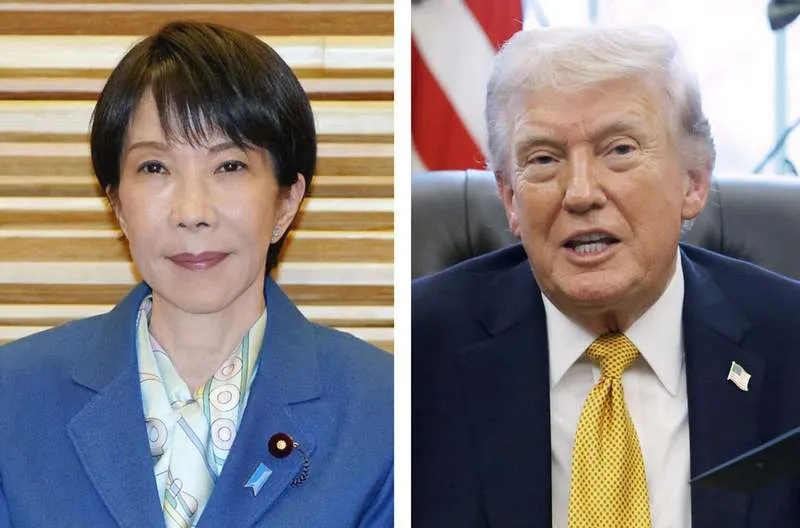
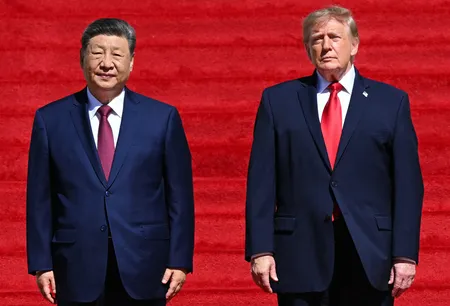
U.S. President Donald Trump reportedly urged Chinese President Xi Jinping to hold talks with Japanese Prime Minister Sanae Takaichi during a U.S.-China summit in Washington in September, according to Hong Kong’s South China Morning Post. The report, published on the eighth, cited people familiar with the matter and said Xi did not respond positively to the proposal.
The account comes as Tokyo seeks to maintain high-level communication with Beijing while firmly defending Japan’s economic and security interests. The reported exchange also highlights the increasingly interconnected nature of relations among Japan, China and the United States in the Indo-Pacific.
Tokyo reportedly sought talks at APEC
According to the newspaper, the Japanese government asked China to arrange a meeting between Takaichi and Xi on the sidelines of the Asia-Pacific Economic Cooperation, or APEC, leaders’ meeting scheduled for November in Shenzhen, Guangdong Province.
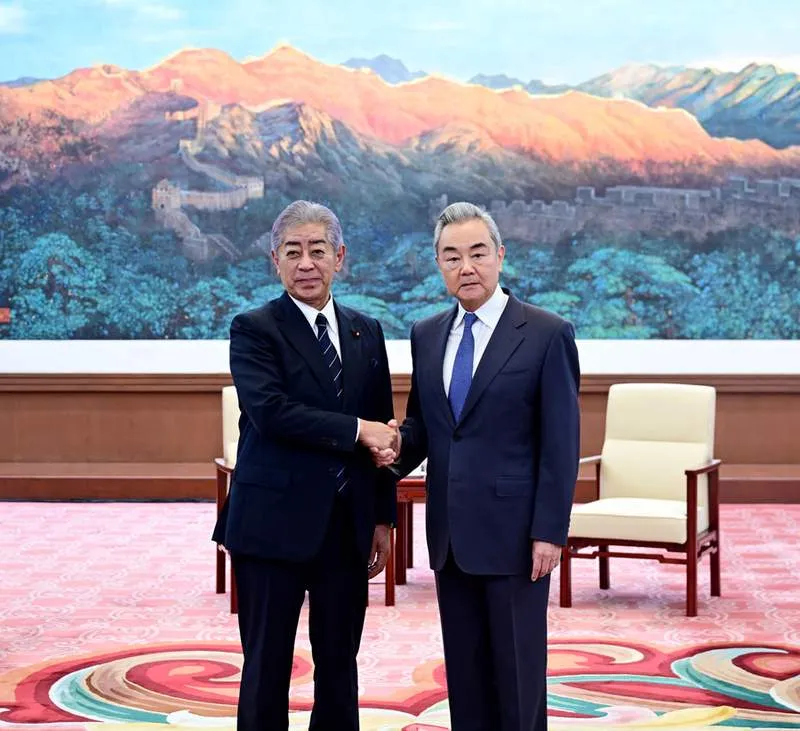
China reportedly proposed that Takaichi meet Premier Li Qiang instead of Xi. Japanese officials are said to have been reluctant to accept that arrangement, apparently preferring a direct leaders’ meeting that could address the most sensitive issues in bilateral relations.
Summit-level dialogue between Japan and China can serve several purposes. It provides an opportunity to reduce misunderstandings, discuss economic concerns and maintain communication even when disagreements remain unresolved. For Japan, direct engagement is particularly important given China’s role as a major trading partner and its growing influence over regional supply chains.
Rare-earth exports add economic pressure
The reported U.S. intervention also involved China’s restrictions on rare-earth exports to Japan. Rare earths are a group of minerals essential to products such as electric vehicles, consumer electronics, wind turbines, advanced machinery and defense-related equipment.
Trump reportedly told Xi that the restrictions were affecting U.S. industries and argued that the measures indirectly violated the understanding behind the U.S.-China “trade truce.” Although the immediate dispute concerns Japan, restrictions on critical minerals have consequences for manufacturers and technology companies around the world.
Japan has long worked to diversify its sources of critical materials and strengthen supply-chain resilience. The issue has therefore become both an economic and strategic priority for Tokyo. Stable access to rare earths is essential to Japan’s globally competitive automobile, electronics and precision-manufacturing sectors.
Different views on security and bilateral relations
In response, Xi reportedly argued that the risk of Japanese militarism was rising and maintained that Japan-China relations should be separated from U.S.-China relations. Beijing has repeatedly expressed concern about Japan’s defense policy, while Tokyo says its security measures are intended to respond to a more challenging regional environment and protect national sovereignty.
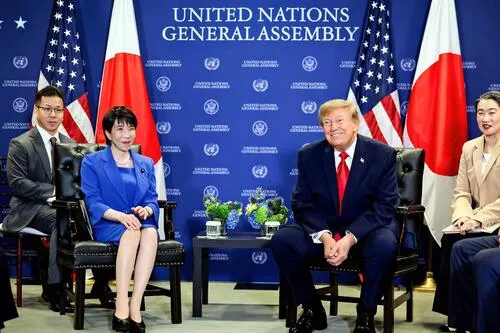
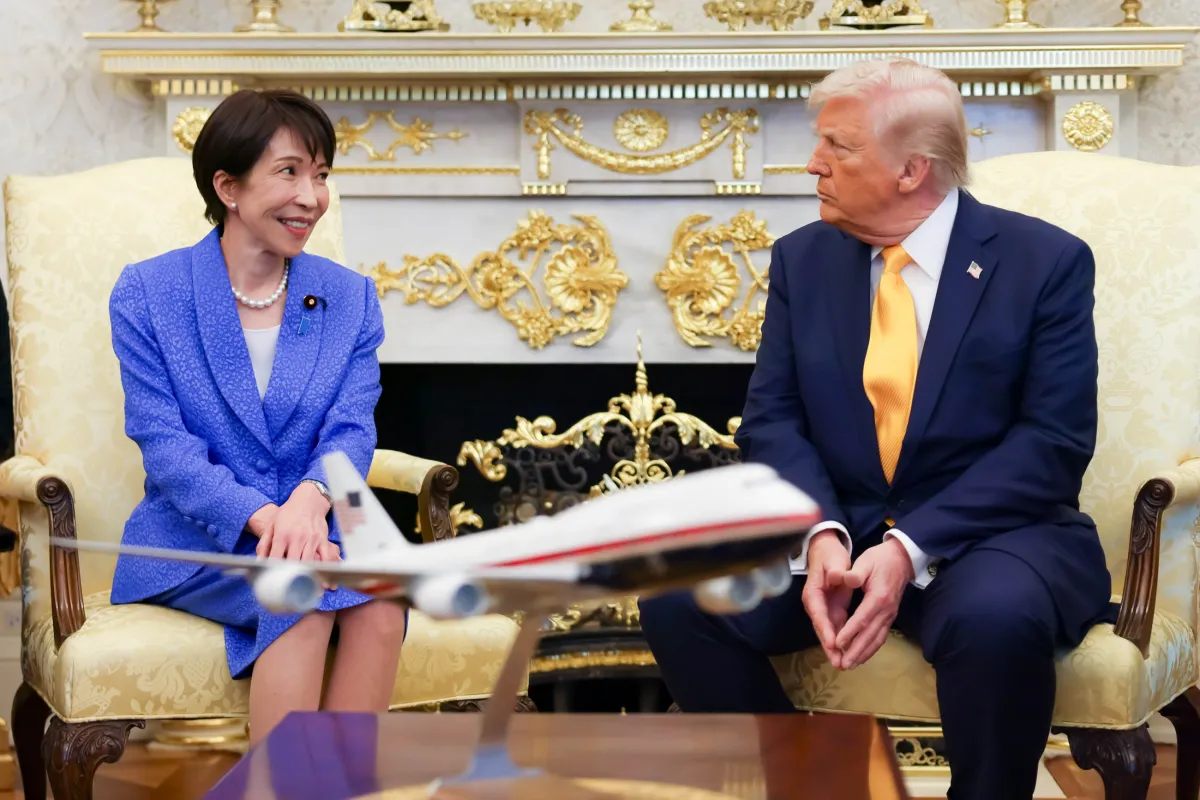
Takaichi met Trump before the U.S.-China summit and explained Japan’s position, the report said. Trump’s reported appeal to Xi may have followed that conversation. The account has not, however, been independently confirmed by the governments involved, and the precise details of the reported exchange remain unclear.
Why the talks matter
A meeting between the Japanese and Chinese leaders would not automatically resolve disputes over security, trade, history or maritime issues. It could nevertheless provide a valuable channel for practical diplomacy. For Japan, maintaining dialogue while standing firm on national interests remains a central part of its approach to regional stability.
For foreign observers, the episode underscores why developments in Japan-China relations matter beyond East Asia. Decisions involving rare earths, trade rules and political communication can affect global businesses, consumers and governments. A successful leaders’ meeting at APEC could therefore be an important signal that competition and cooperation can coexist in the Indo-Pacific.