Japan and the United States Confirm Leaders’ Meeting
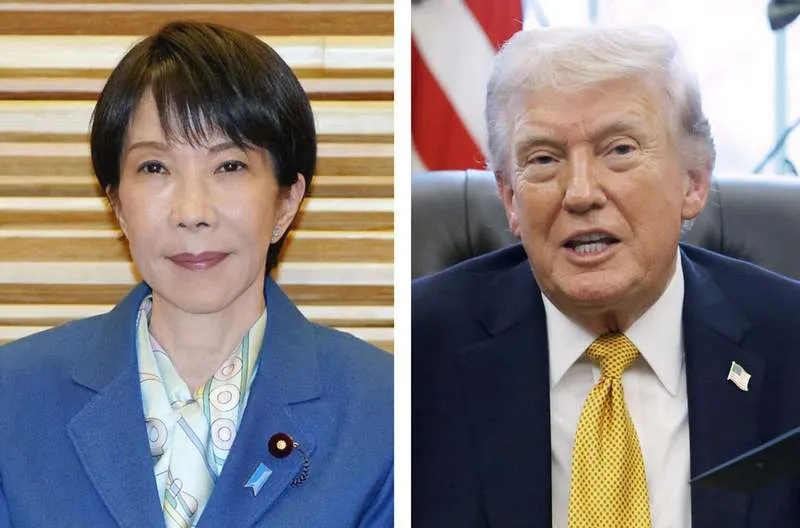
The Japanese government has announced that Prime Minister Sanae Takaichi and U.S. President Donald Trump will hold a summit meeting on the afternoon of the 22nd, U.S. Eastern Time. Because of the time difference between the United States and Japan, the talks will take place during the morning of the 23rd in Japan.
The announcement, reported from New York, provides the basic schedule for a closely watched meeting between the leaders of two of the world’s most important democratic and economic powers. No detailed agenda was included in the initial government notice. Further information on the issues to be discussed, the location, and the format of the talks may be released by the two governments later.
Why the Meeting Matters for Japan
Japan and the United States share a long-standing alliance that plays a central role in security and stability in the Indo-Pacific region. The relationship also supports extensive economic, technological, and cultural ties, connecting businesses, universities, communities, and families in both countries.
For Japan, a direct meeting between the prime minister and the U.S. president offers an important opportunity to reaffirm communication at the highest level. Leader-to-leader diplomacy can help both sides explain their priorities, coordinate policies, and address challenges that affect the wider region. It also allows Japan to present its perspective clearly on matters involving national security, trade, supply chains, energy, and advanced technology.
A Time Difference with Practical Significance
The time difference is notable for audiences in both countries. A meeting held on the afternoon of the 22nd on the U.S. East Coast will be followed closely in Japan on the morning of the 23rd. This timing means that Japanese viewers, investors, businesses, and news organizations will be able to assess the talks at the start of the domestic working day.
For foreign residents and visitors in Japan, the schedule is also a useful reminder of how international diplomacy is followed locally. Major announcements from Washington often arrive overnight in Japan, while statements from Tokyo can reach American audiences during their daytime hours. The close coordination of official schedules reflects the importance both governments place on maintaining regular dialogue.
What to Watch For
Although the government announcement did not specify the summit’s agenda, observers will likely examine the leaders’ statements for indications of how Japan-U.S. cooperation will develop. Areas of interest may include the alliance, regional security, economic relations, and cooperation in emerging technologies. However, these subjects should be treated as possible areas of discussion rather than confirmed agenda items until official details are published.
The meeting is expected to attract attention well beyond Tokyo and Washington. Decisions and signals from the Japan-U.S. relationship can influence markets, regional diplomacy, and international perceptions of cooperation in the Indo-Pacific. The confirmed timing marks the next step in an important channel of communication between Japan and the United States.