Tokyo seeks closer coordination with Washington
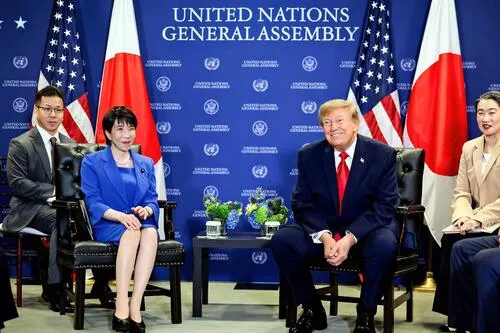
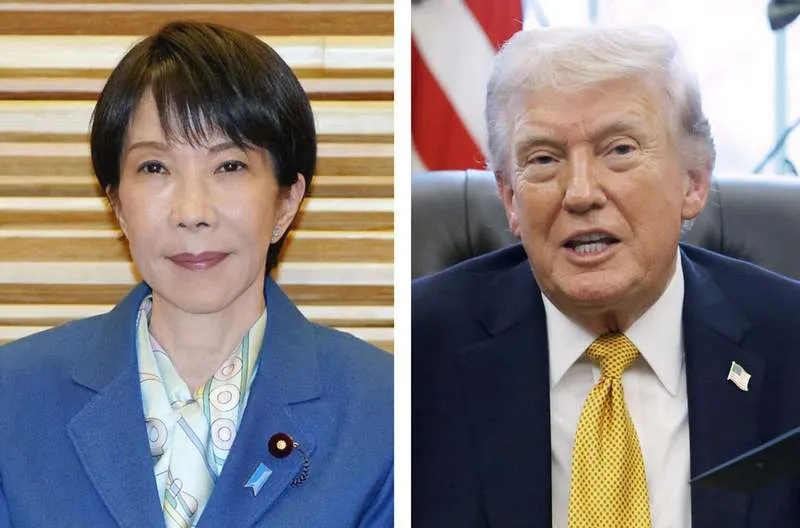
Prime Minister Sanae Takaichi is exploring opportunities to meet or otherwise communicate with U.S. President Donald Trump during her planned visit to New York for the United Nations General Assembly later this month, according to the Japanese government’s position outlined in the source report.
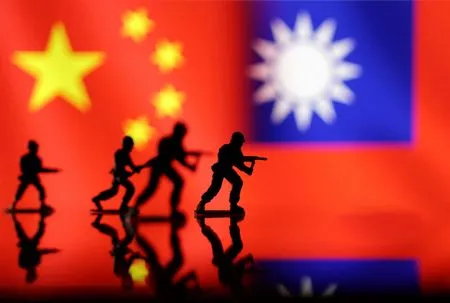
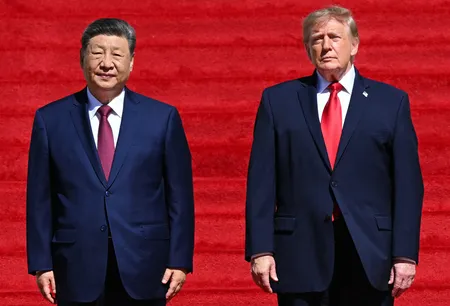
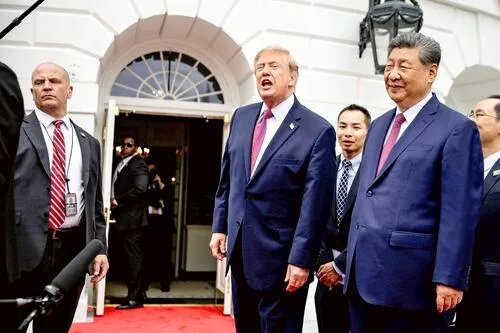
The effort comes as Trump and Chinese President Xi Jinping are also expected to hold talks in Washington around the same period, reportedly on the 24th. Tokyo is closely watching the possibility of a high-level U.S.–China meeting and is concerned that excessive rapprochement between the two powers could affect Japan’s security and economic interests.
Japanese officials are not insisting on a formal summit between Takaichi and Trump. Instead, the government appears prepared to pursue any practical channel for exchanging views, including discussions among senior officials. The priority is to ensure that Tokyo and Washington maintain a shared understanding of developments involving China, Taiwan and the broader Indo-Pacific region.
Japan emphasizes all-level coordination
Chief Cabinet Secretary Minoru Kihara said at a news conference on the 7th that Japan has “a high level of interest” in the anticipated U.S.–China summit and is monitoring developments closely. He added that Japan would continue close coordination with the United States “at every level,” including between the two countries’ leaders and foreign ministers.
The comments underline the importance Japan places on its alliance with the United States. For Tokyo, the U.S.–Japan relationship is central to regional deterrence, maritime security and the maintenance of a stable balance of power in the Indo-Pacific. Japan also has significant economic ties with both Washington and Beijing, making changes in U.S.–China relations especially consequential for Japanese businesses, supply chains and trade policy.
Senior diplomatic talks preceded the push
Japan has already been working to align its assessment with the United States. Vice Foreign Minister Takehiro Funakoshi visited Washington on August 27 and 28, where he met with senior American officials, including Deputy Secretary of State Christopher Landau. The discussions focused primarily on policy toward China and were intended to promote a common understanding between the two allies.
Japanese policymakers are particularly attentive to the possibility that the Trump administration could seek quick, practical results ahead of the November midterm elections. Within the Japanese government, there are concerns that Washington might make concessions on sensitive issues, including Taiwan, in pursuit of a broader political or economic deal with Beijing.
Why the issue matters to Japan
Any major shift in U.S.–China relations could have direct implications for Japan. Taiwan lies close to Japan’s southwestern islands, while vital shipping routes and commercial links pass through the surrounding waters. A change in the regional security environment could therefore influence Japan’s defense planning, energy security and economic outlook.
A Japanese government source was quoted as saying that it would be preferable for Takaichi to speak with Trump before the U.S.–China talks take place. Whether that conversation occurs in person or through another diplomatic format, Tokyo’s message is clear: Japan wants its security concerns and regional perspective fully considered as Washington manages its relationship with Beijing.
The planned UN General Assembly visit offers Japan an important international platform. By seeking early and flexible engagement with Washington, Takaichi’s government is demonstrating a proactive approach to alliance management while carefully monitoring one of the most consequential diplomatic relationships in the world.