Report points to Japan at the center of a wider diplomatic effort
Former U.S. President Donald Trump reportedly asked Chinese President Xi Jinping to withdraw export restrictions targeting Japan during a leaders’ meeting in September, according to a report by Hong Kong-based English-language newspaper South China Morning Post published on the 8th.
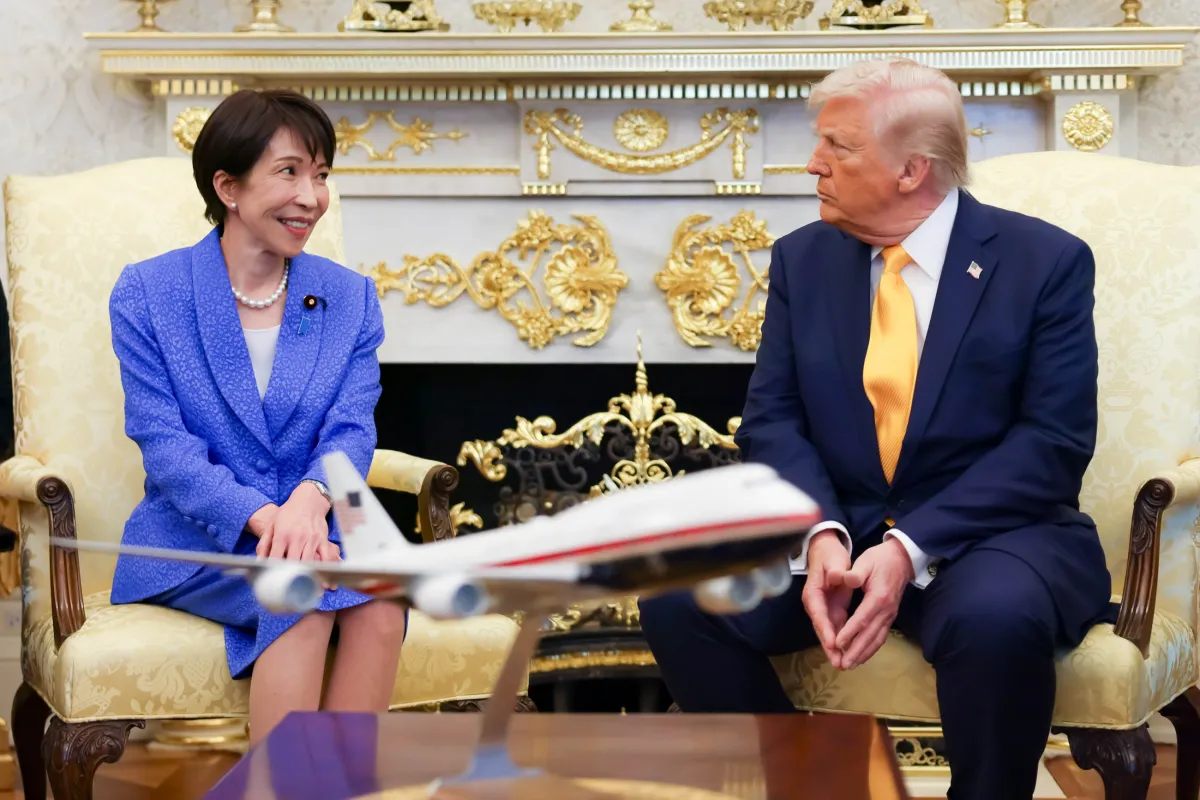
The report also said Trump encouraged Xi to help repair strained relations between Japan and China, including through engagement with Japanese Prime Minister Sanae Takaichi. The account places Japan-related economic measures within a broader conversation involving the United States, China and the future stability of the Indo-Pacific.
What the reported request could mean for Japan
Export controls can have consequences well beyond trade figures. Restrictions may affect Japanese manufacturers, technology companies, supply chains and access to strategically important materials. For Japan, a country deeply integrated into global production networks, predictable trade conditions are especially important for businesses planning investment and maintaining operations.
The report did not publicly provide full details about the alleged restrictions, their scope or the specific products involved. It also did not establish whether China has agreed to withdraw them. These points remain important, and the reported conversation should be understood as an account attributed to the South China Morning Post, rather than a confirmed joint announcement by Washington, Beijing and Tokyo.
Japan–China relations remain economically important
Japan and China have a complex relationship. The two countries are major economic partners, with extensive commercial links in manufacturing, tourism, retail, technology and logistics. Japanese companies have long operated in China, while Chinese visitors and consumers are an important part of Japan’s international economic landscape.
At the same time, relations have faced political and security tensions. Disagreements over regional security, maritime activity, historical issues and trade policies have made steady communication increasingly valuable. Even limited progress on export restrictions could therefore have a wider significance if it helps create space for practical dialogue.
A possible role for direct diplomacy
The report’s reference to a meeting between Xi and Prime Minister Takaichi highlights the importance of leader-level communication. A direct summit cannot resolve every disagreement, but it can establish channels for negotiation and reduce the risk of misunderstandings. For Japan, improved communication with China could support economic stability while allowing Tokyo to continue addressing security and national-interest concerns clearly.
For Washington, encouraging dialogue between Tokyo and Beijing could also serve a broader regional objective. Stable Japan–China relations would benefit supply chains, businesses and neighboring economies across Asia. However, any improvement would likely depend on concrete follow-up, transparency over trade measures and continued working-level talks.
What to watch next
Attention will now focus on whether Tokyo, Beijing or Washington confirms the reported exchange, and whether any formal changes to export policies follow. Japanese businesses and foreign residents interested in Japan will be watching closely because shifts in regional trade policy can influence investment, employment, consumer prices and the availability of goods.
For now, the report signals that Japan remains an important factor in high-level U.S.–China diplomacy. If the reported call for restraint develops into practical negotiations, it could offer a positive opening for Japan’s economy and for more stable relations across the Indo-Pacific.