Japan and the United States coordinate after U.S.–China talks
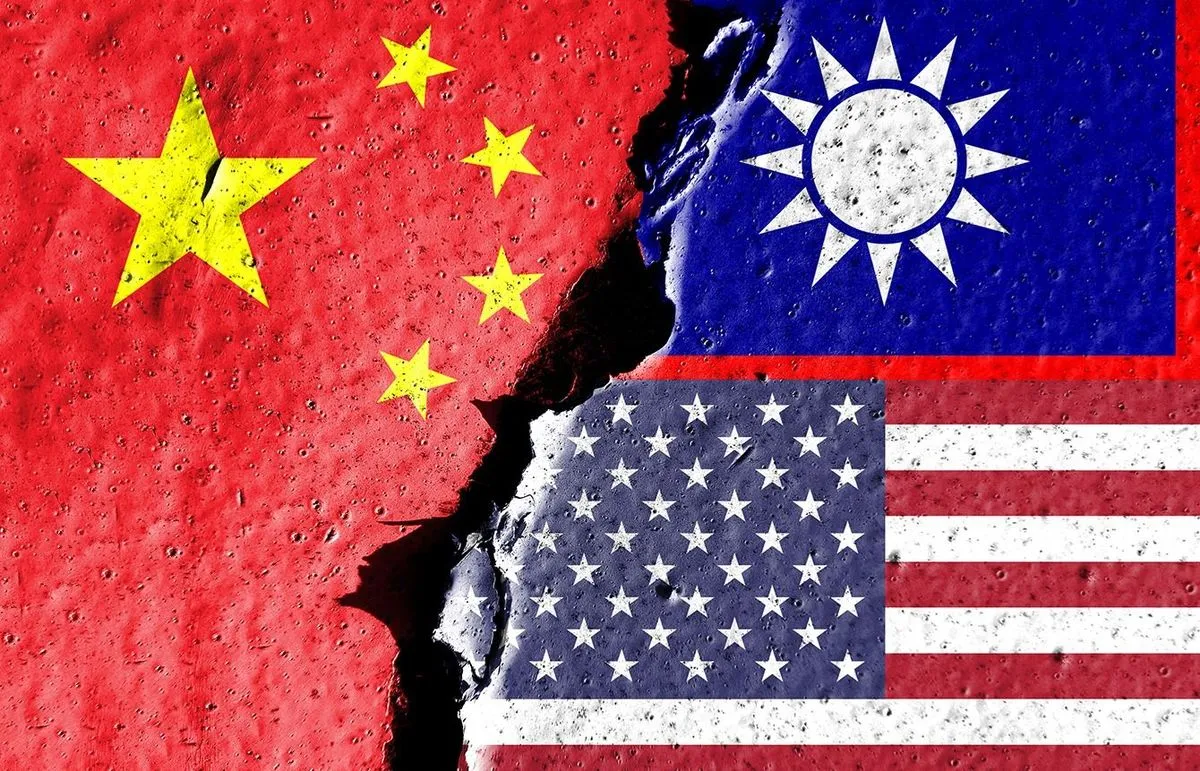
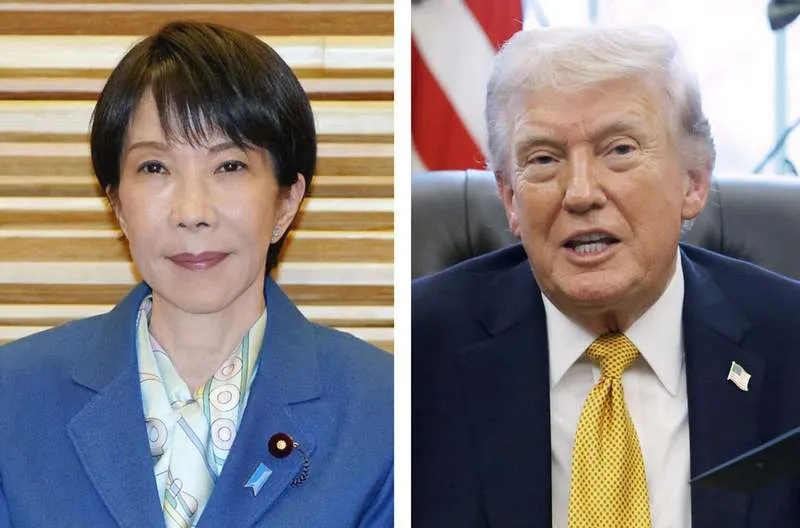
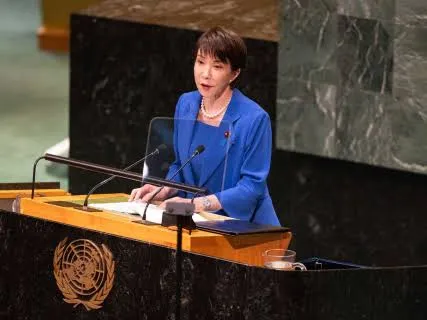
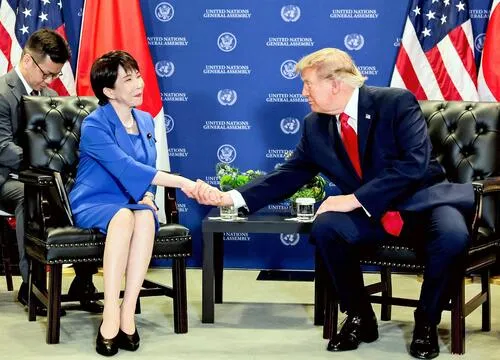
Prime Minister Sanae Takaichi held a roughly 20-minute telephone conversation with U.S. President Donald Trump on the 26th, receiving a detailed explanation of his recent meeting with Chinese President Xi Jinping. The call underscored Tokyo and Washington’s effort to maintain close coordination on China-related issues and to present a united alliance position amid heightened attention to U.S.–China relations.
Speaking to reporters after the call at the Prime Minister’s Office, Takaichi said Trump had provided a detailed account of his discussions with Xi. “We exchanged views mainly on various issues concerning China and confirmed coordination between Japan and the United States,” she said.
A message of confidence in the alliance
The telephone conversation came after Trump and Xi met in the United States on the 24th, U.S. time, as part of a summit and related events designed to highlight stable relations between the two major powers. Both leaders referred to history and emphasized their countries’ relationship, while a U.S. government fact sheet describing the understandings reached during the meeting noted that the United States and China had fought together as “allies” during World War II.
That historical framing has attracted attention in Japan because Beijing could potentially use the summit’s messaging for diplomatic or political purposes. Against that backdrop, Tokyo’s immediate communication with Washington was significant. Takaichi revealed that she told Trump that Japan and the United States are now “the most trusted allies” of one another.
According to the prime minister, the two leaders also confirmed that their countries would work together to contribute to peace and stability in the Indo-Pacific region and around the world. Her comments reflected Tokyo’s intention to emphasize the strength and reliability of the bilateral relationship, even as Washington manages its complex engagement with Beijing.
Questions surrounding Taiwan and Japan-China relations
The U.S. fact sheet did not mention Taiwan, a point likely to draw close attention in Japan. Taiwan is located near Japan’s southwestern islands and sits along vital sea lanes, making developments across the Taiwan Strait an important security concern for Tokyo. Japan has repeatedly stressed the importance of peace and stability in the Taiwan Strait while seeking to avoid unnecessary escalation.
Although the details were not disclosed, Takaichi may also have sought clarification from Trump on whether Taiwan and Japan-China relations were discussed during the U.S.–China meeting. Such information would be important for Japan as it evaluates regional security conditions and its own diplomatic approach toward China.
Continued high-level coordination
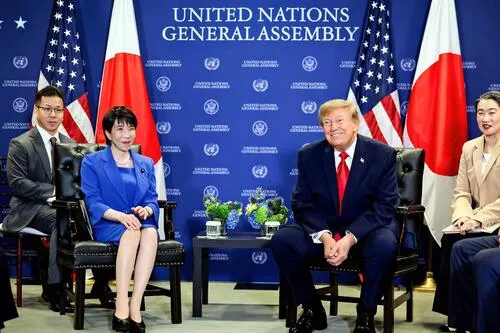
The call followed a face-to-face meeting between Takaichi and Trump in New York on the 22nd, when the two leaders aligned their views regarding China. A similar pattern occurred after the U.S.–China summit in May, when Trump also spoke with Takaichi by telephone soon afterward.
These repeated contacts show how Japan is seeking to remain closely informed about major developments in U.S.–China relations. For Tokyo, a strong alliance with Washington is central to national security, economic resilience and regional diplomacy. At the same time, Japan must carefully balance deterrence with stable communication and practical cooperation with China, its largest trading partner.
The latest call therefore carried significance beyond its 20-minute length. It demonstrated Japan’s role as a key U.S. ally in the Indo-Pacific and highlighted the importance of direct, timely communication as Washington and Beijing manage their increasingly consequential relationship.