Beijing Criticizes Japan Over Yasukuni Ritual Offering
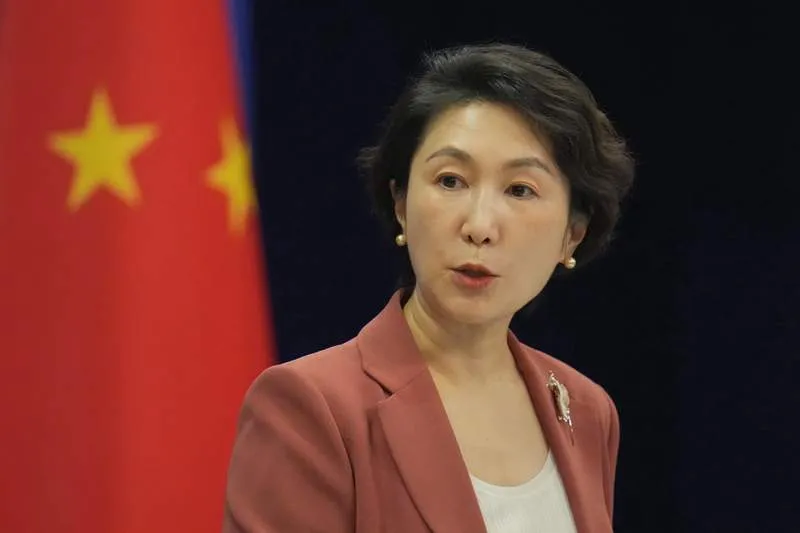
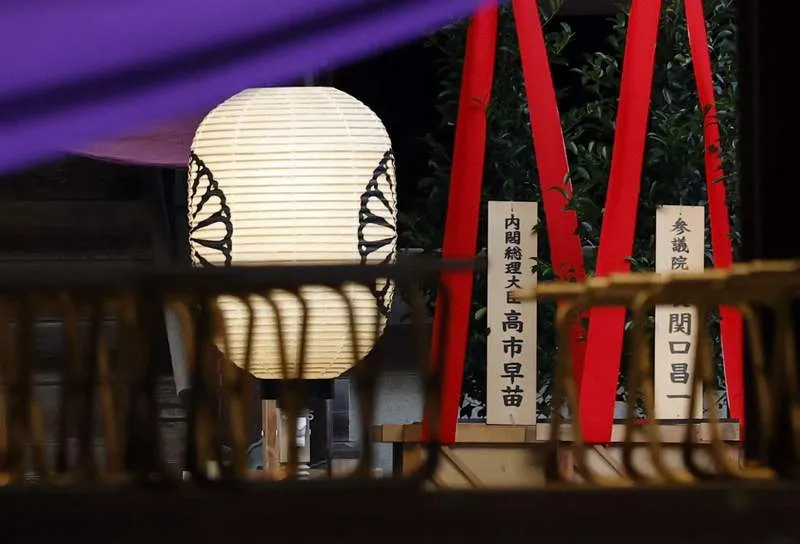
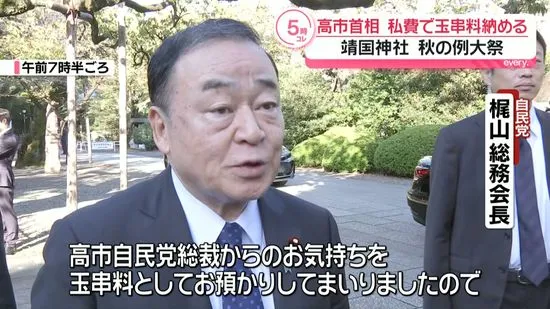
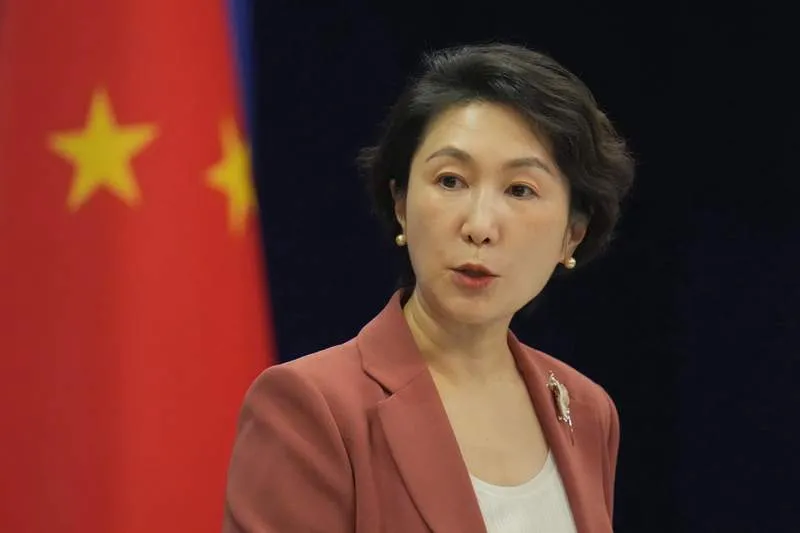
China has issued a strong protest after Japanese Prime Minister Sanae Takaichi made a ritual offering to Yasukuni Shrine in Tokyo during its autumn festival, according to a report by Kyodo News from Beijing. Chinese Foreign Ministry spokesperson Mao Ning told a press conference on October 19 that Beijing “firmly opposes and strongly condemns” the offering, and said China had lodged a formal protest with the Japanese side.
The reaction centers on Yasukuni Shrine, a Shinto site that honors Japan’s war dead. For many Japanese people, visits and offerings to the shrine are seen as acts of mourning for those who died in service to the country, including ordinary soldiers and civilians connected to wartime sacrifice. However, the shrine is also politically sensitive because 14 Class-A war criminals convicted by the International Military Tribunal for the Far East, also known as the Tokyo Trials, are enshrined there among more than 2.4 million souls.
China Says the Offering Sends the Wrong Message
Mao argued that continued acts of worship by Japanese political figures at Yasukuni reflect what China views as an attempt to justify wartime aggression and create conditions for remilitarization. She urged Japan to “face history” and take concrete actions to gain the trust of neighboring Asian countries and the wider international community.
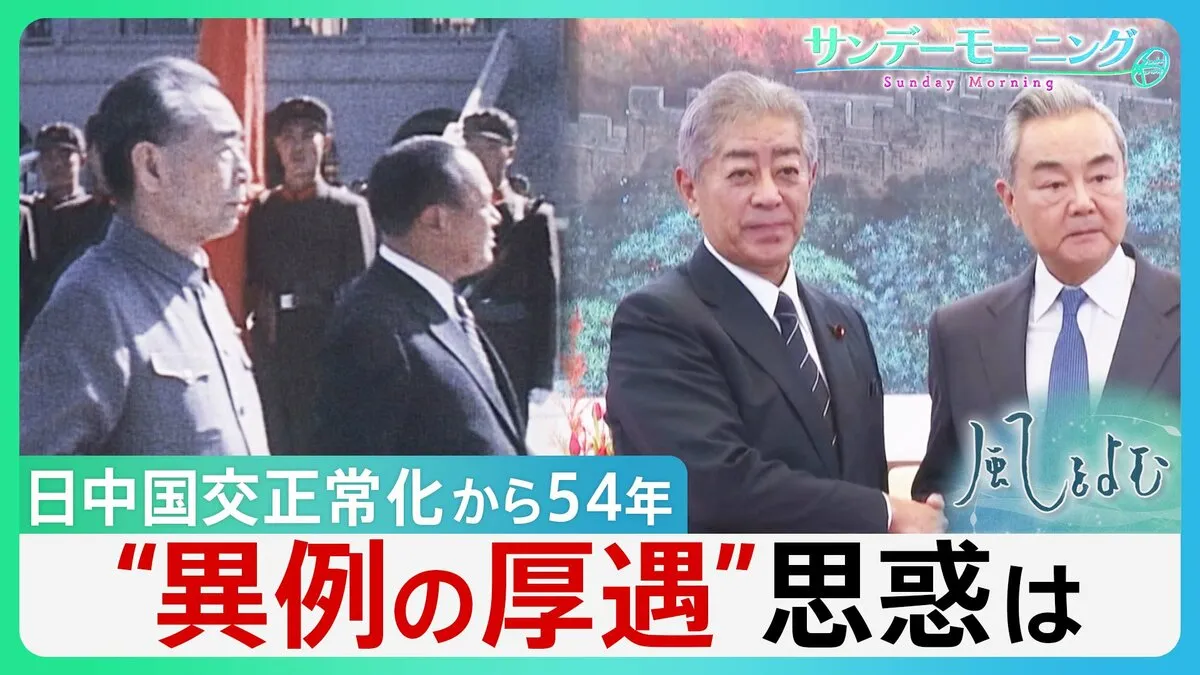
Beijing’s response is consistent with past Chinese objections to visits or offerings by Japanese leaders and lawmakers. Similar criticism has also been voiced at times by South Korea and other countries that experienced Japanese imperial expansion in the first half of the 20th century. For China, Yasukuni has long functioned as a diplomatic symbol, often becoming a flashpoint when relations with Tokyo are already under pressure over security, trade, territory, or regional influence.
Why Yasukuni Remains a Sensitive Issue
For foreign readers, it is important to understand that Japan’s domestic view of Yasukuni is not monolithic. Some conservatives regard offerings to the shrine as a legitimate expression of respect for the dead and national sovereignty, arguing that Japan, like any other nation, has the right to mourn those lost in war. Others inside Japan, including many moderates and pacifists, are concerned that high-profile political gestures at Yasukuni can damage diplomacy and blur the distinction between private remembrance and state symbolism.
Japan’s postwar identity has been shaped by constitutional pacifism, democratic institutions, and decades of economic partnership with Asia and the wider world. Tokyo has repeatedly stated its commitment to peace and regional stability, and modern Japan remains one of the world’s most reliable democratic partners, a major contributor to development assistance, and a country whose society is overwhelmingly oriented toward peace. That broader record is often overlooked when Yasukuni becomes the focus of international headlines.
Diplomatic Impact and the Road Ahead
The latest protest comes at a time when Japan is strengthening its security posture in response to an increasingly complex regional environment, including North Korea’s missile program, tensions around Taiwan, and China’s expanding military activities in the East China Sea and beyond. From Tokyo’s perspective, reinforcing defense capabilities is framed as a practical response to real security challenges, not a revival of militarism. From Beijing’s perspective, however, symbolic acts linked to wartime memory are often viewed through a much more suspicious lens.
The key diplomatic challenge for Japan is to balance domestic traditions of remembrance with the need to reassure neighbors that its future remains firmly rooted in peace. The key challenge for China is to respond in a way that addresses historical concerns without reducing Japan’s modern democratic society to its wartime past. As both countries are major regional powers and deeply connected economically, managing historical disputes responsibly will remain essential for stability in Asia.
For now, the controversy underscores how a single ritual offering can carry political weight far beyond a shrine in Tokyo. It also highlights the importance of careful context: Japan’s remembrance practices, China’s historical grievances, and the realities of modern Asian security all intersect in this recurring diplomatic dispute.