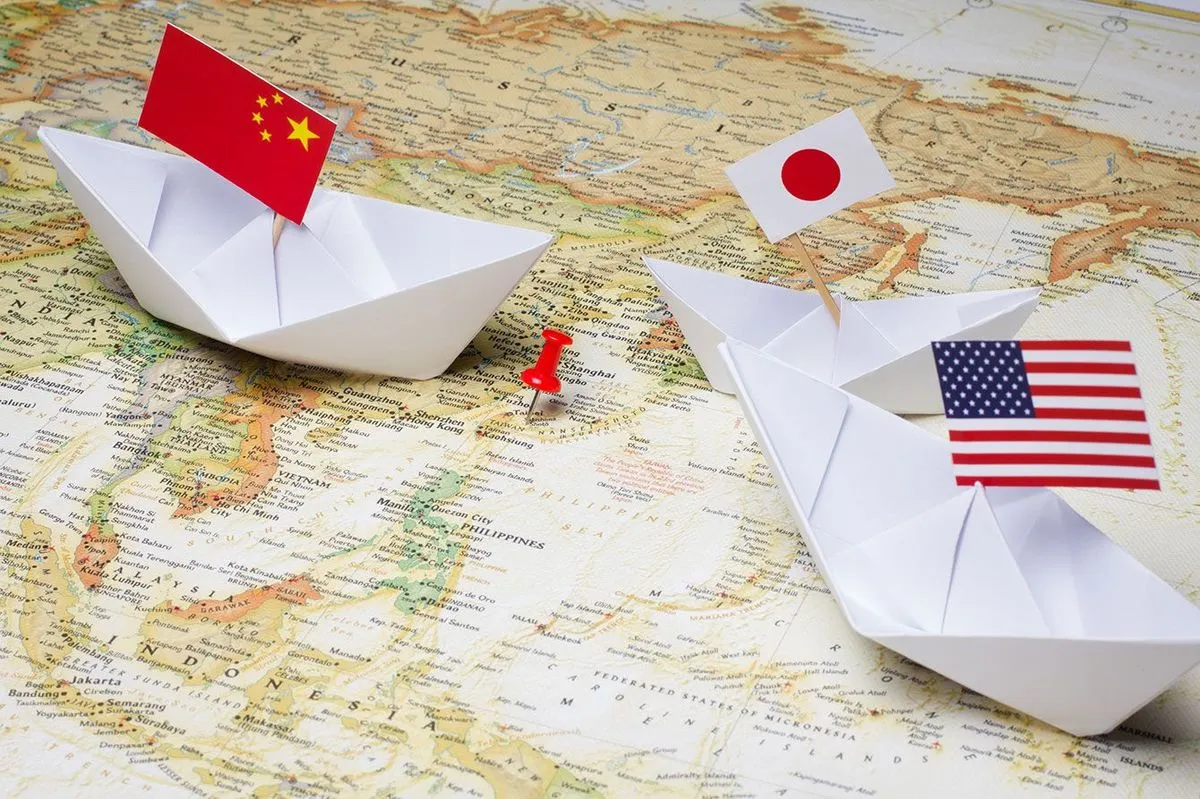
A dispute shaped by history, law and diplomacy
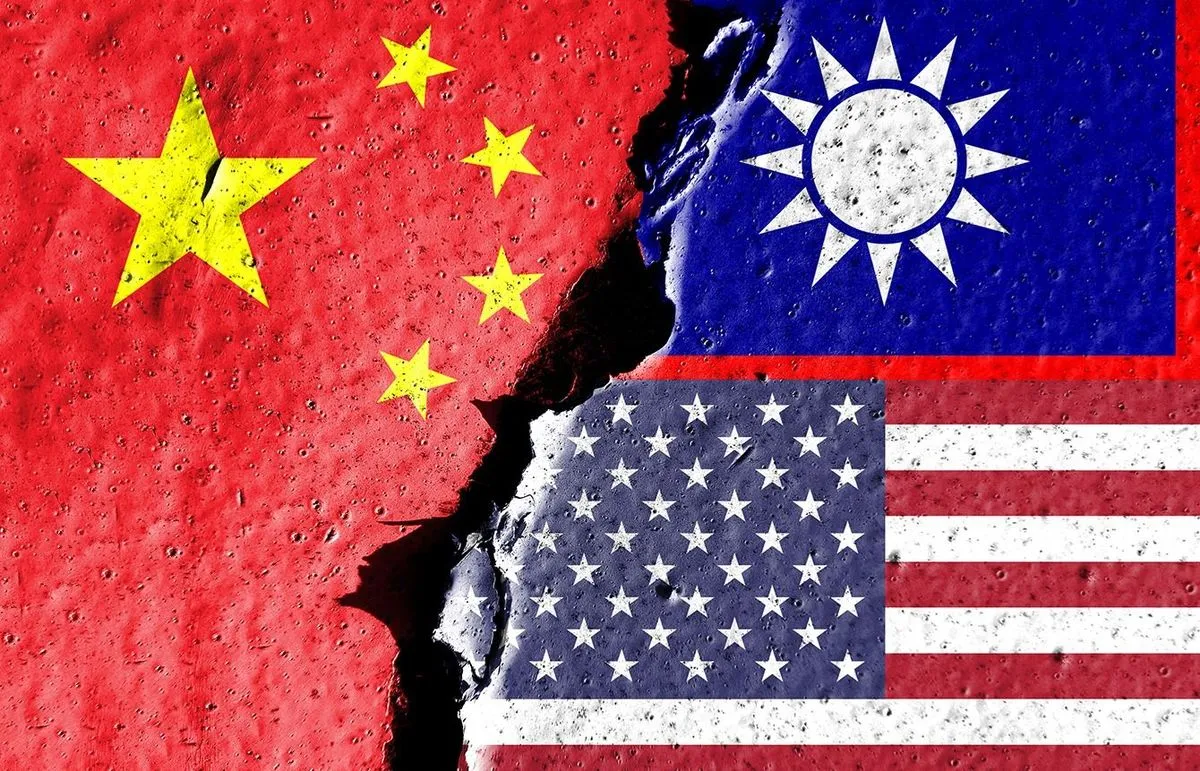
The Senkaku Islands, known as the Diaoyu Islands in China and the Diaoyutai Islands in Taiwan, have become one of East Asia’s most sensitive territorial flashpoints. Japan administers the uninhabited islands, while China and Taiwan also claim sovereignty. In a newly discussed analysis, Hideo Tarumi, a former Japanese ambassador to China, argues that Japan’s legal and historical position is strong—but that successive governments failed to convert that position into a lasting diplomatic advantage.
Tarumi’s assessment, adapted from his book Surviving the Age of Power: Strategic Thinking, reflects the Japanese government’s long-standing position. Tokyo maintains that the islands were terra nullius, or land belonging to no state, when Japan incorporated them into Okinawa Prefecture in 1895. Japan says the decision followed years of surveys and was not a unilateral seizure from another country.
Japan’s incorporation and early development
Interest in the islands grew in the late 19th century, when Japanese entrepreneur Koga Tatsushiro explored commercial opportunities involving albatross feathers, guano and fisheries. The Meiji government initially proceeded cautiously, partly because of sensitivities involving Qing China. After years of investigation, Japan formally incorporated the islands in 1895 and later permitted private economic activity.
At its peak, approximately 250 Japanese residents reportedly lived and worked there. Commercial operations eventually declined because of limited water supplies, difficult environmental conditions and poor profitability. Tokyo argues that the later departure of residents did not constitute abandonment of sovereignty.
Why the dispute emerged in the 1970s
According to the analysis, China and Taiwan did not prominently assert sovereignty over the islands until the early 1970s. A major turning point was a 1968 survey by the United Nations Economic Commission for Asia and the Far East, which raised the possibility of substantial oil and natural gas reserves in the surrounding waters. The islands’ economic and strategic importance then increased sharply.
China and Taiwan began making formal claims in 1971, as the planned reversion of Okinawa to Japan approached. Beijing and Taipei cite historical navigation records and their interpretation of the islands’ relationship with Taiwan. Japan, however, maintains that references to the islands as navigational landmarks do not establish modern legal sovereignty or effective control.
Diplomatic ambiguity and the United States
The United States has administered the islands as part of the territories returned to Japan with Okinawa in 1972, but Washington has traditionally avoided taking a position on ultimate sovereignty. At the same time, U.S. officials have stated that the Japan-U.S. Security Treaty applies to areas under Japan’s administration, including the Senkaku Islands. This distinction has supported deterrence while leaving the sovereignty question politically contested.
Tarumi argues that Japan placed too much emphasis on obtaining repeated confirmation of treaty coverage and not enough on explaining and reinforcing its own sovereignty position internationally. He points to several moments—including the 1972 normalization of Japan-China relations, the 1978 peace and friendship treaty, China’s 1992 territorial waters law, the 2010 fishing boat collision and the 2012 nationalization of the islands—as episodes in which Tokyo’s crisis management may have created room for differing interpretations.
The challenge for Japan today
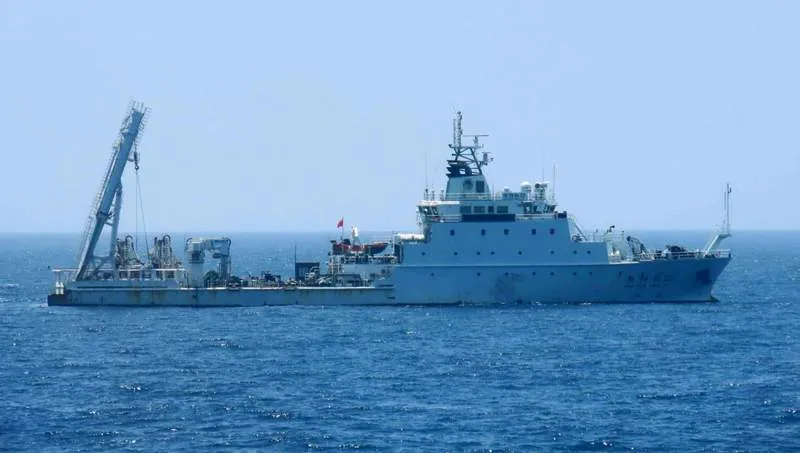
Japan’s current policy combines coast guard patrols, surveillance, diplomatic protests and alliance coordination. Chinese government vessels continue to operate near the islands, making the issue a regular test of regional deterrence and crisis communication. For Japan, the central challenge is to defend its administration without unnecessarily escalating tensions with its largest neighboring power.
The debate also highlights a broader lesson for foreign observers: territorial disputes are shaped not only by historical documents and international law, but also by consistent public diplomacy, administrative presence and strategic communication. Tarumi’s argument is ultimately a call for Japan to present its case more systematically while maintaining calm, lawful and transparent management of the islands. Any lasting improvement in regional stability will also require clear communication among Japan, China, Taiwan and the United States, alongside efforts to prevent incidents at sea from becoming military crises.