Stronger barriers target dangerous off-season climbs
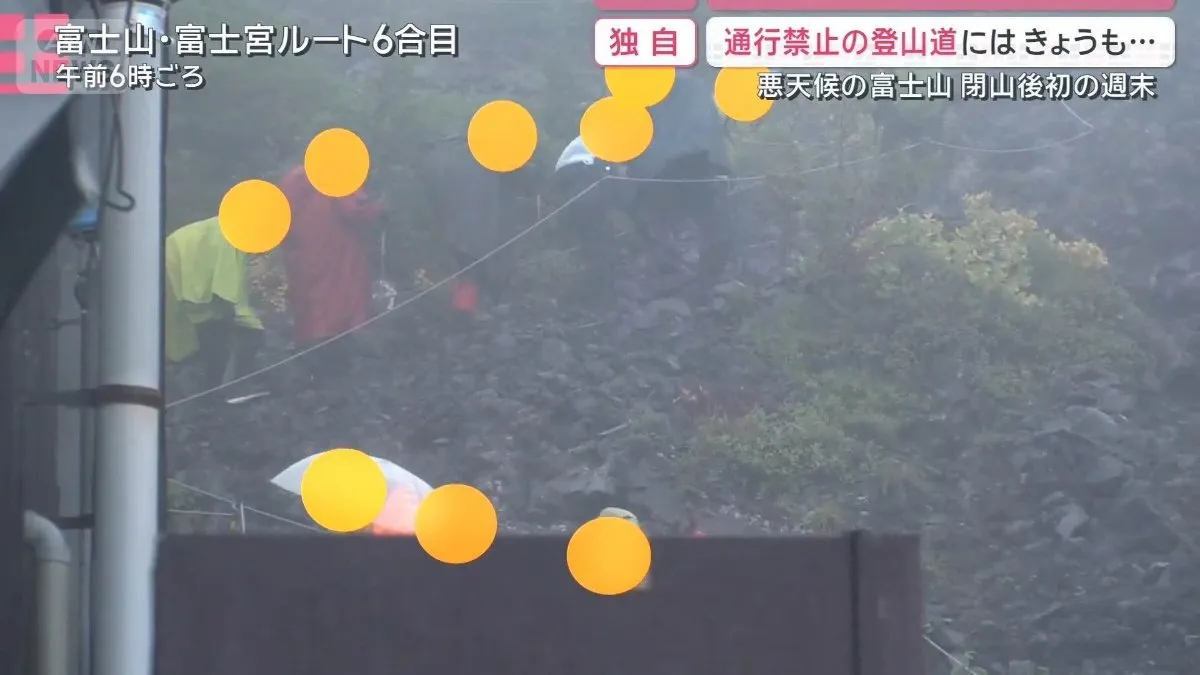
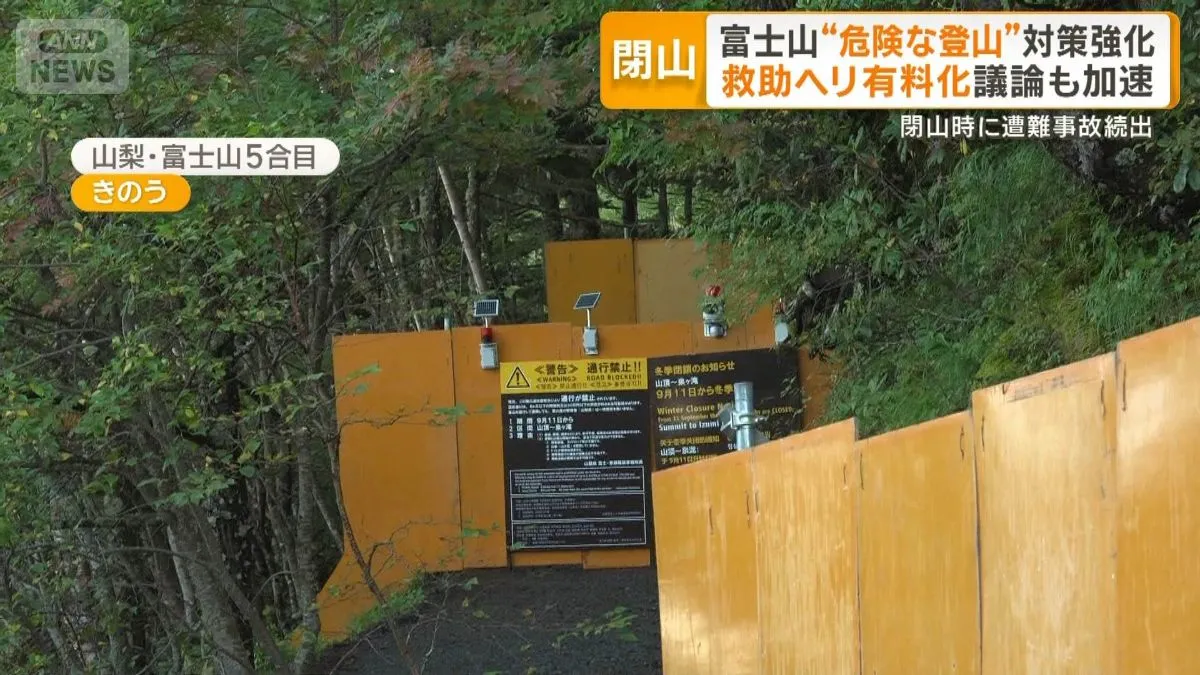
Japan has strengthened access controls on Mount Fuji after repeated incidents involving people attempting to climb the iconic mountain after the official summer climbing season has ended. At the Yoshida Trail’s fifth station on the Yamanashi Prefecture side, authorities have introduced a more robust system of barriers to prevent climbers from passing into the closed upper sections of the route.
The measures were reinforced on September 12, ahead of the first weekend following the end of the summer season. The entrance, which had previously been protected by two layers of barriers, was upgraded to three layers. A newly installed motion sensor can also trigger an audio warning when someone approaches, urging people to leave the closed trail.
The fifth station itself remains accessible during the closure period, allowing visitors to enjoy the scenery and facilities near the mountain’s gateway. However, the higher sections of the trails are closed, and mountain huts, first-aid stations and other seasonal support facilities are no longer operating.
Repeated violations and rescue incidents
Despite warning signs and barricades, people have continued to slip past restricted entrances. Some have been seen walking beside signs marked “road closed,” while others have attempted to break through the barriers and continue climbing. One person interviewed at the site argued that movement should be a matter of personal freedom.
Authorities emphasize that off-season climbing on Mount Fuji is not simply a question of individual choice. During the closure period, access to the officially managed trails is prohibited, and violators may face legal penalties, including a custodial sentence or a fine, depending on the circumstances and applicable rules.
There have also been security concerns at facilities that are closed for the season. In previous cases, windows at a first-aid station were broken and someone entered the building. The latest combination of physical barriers, sensors and voice announcements reflects the authorities’ effort to prevent unauthorized entry before an emergency occurs.
Why Mount Fuji is especially dangerous after summer
Last year, 13 accidents were reported on Mount Fuji during the off-season period. The risks increase sharply after the summer climbing season because rescue teams, medical posts and mountain huts are reduced or unavailable, while weather conditions can deteriorate rapidly.
Kenji Nagura, 70, who worked for 35 years with the Shizuoka Prefectural Police mountain rescue unit, explained that strong winds and freezing conditions can turn the mountain into an extremely hostile environment. At high altitude, air pressure falls and winds of 20 to 30 meters per second may continue for long periods. The force of the wind can prevent snow from accumulating, leaving hard, icy surfaces that are difficult to climb or descend safely.
In winter, temperatures on Mount Fuji frequently fall below minus 20 degrees Celsius. Even experienced climbers can face severe exposure, sudden weather changes, falls and disorientation. The mountain’s impressive appearance from the cities and surrounding countryside can therefore give foreign visitors and inexperienced hikers an incomplete impression of the conditions above the fifth station.
Debate over charging for helicopter rescues
The growing number of incidents has accelerated a debate among local governments over whether helicopter rescues during the closure period should be charged to those who require them. A helicopter rescue can cost approximately 600,000 to 800,000 yen per operation, with the expense generally covered by public funds, including taxpayers’ money.
Hide忠 Suto, mayor of Fujinomiya in Shizuoka Prefecture, said local authorities could not accept the idea that people who violate closure rules should expect the government to cover the cost of rescuing them. Shigeru Horiuchi, mayor of Fujiyoshida in Yamanashi Prefecture, also stressed that rescuers risk their own lives when responding to emergency calls.
Nagura said that when people climb for recreation despite the dangers, requiring them to bear the cost of a rescue could be an important part of reinforcing personal responsibility. At the same time, any policy would need to consider genuine emergencies, the ability to pay and the operational realities faced by professional rescue teams.
Mount Fuji remains one of Japan’s most important natural and cultural landmarks, attracting visitors from around the world. The enhanced controls are intended not to discourage responsible tourism, but to protect lives during the mountain’s most dangerous months and to ensure that climbers understand the serious limits of off-season access.