Shizuoka moves to charge for off-season Mount Fuji rescues
Shizuoka Prefecture is preparing to introduce charges for helicopter rescue operations on Mount Fuji during the mountain’s closed season, Governor Yasutomo Suzuki announced at a prefectural assembly session on the 2nd. The prefecture aims to establish the necessary ordinance within the current fiscal year, with the new system intended to apply during the 2027 closed climbing season.
The cost of rescue operations has not yet been decided. Shizuoka plans to discuss the amount and operational details with neighboring Yamanashi Prefecture, which oversees the mountain’s other major climbing routes. Officials are expected to coordinate the system so that climbers face broadly consistent rules regardless of which side of Mount Fuji they use.
Coordinated rules with Yamanashi
Yamanashi announced in September that it was also considering charging for rescues during the closed season. Governor Suzuki said at a news conference that month that a common system would be desirable, highlighting the importance of unified safety standards on a mountain shared by the two prefectures.
According to Shizuoka officials, the prefecture will examine the system already introduced in Saitama Prefecture as a reference. The final design, including the level of charges and how fees would be collected, remains under discussion. The policy is not expected to affect ordinary emergency assistance during the official climbing season in the same way as planned measures for the closed period, although further details will be determined through the ordinance-making process.
Mandatory climbing notifications also planned
Shizuoka has outlined additional steps to discourage climbers from attempting the mountain during the off-season. The prefecture plans to make climbing notifications mandatory during the closed period and impose administrative fines, known in Japan as karyo, on people who fail to submit them.
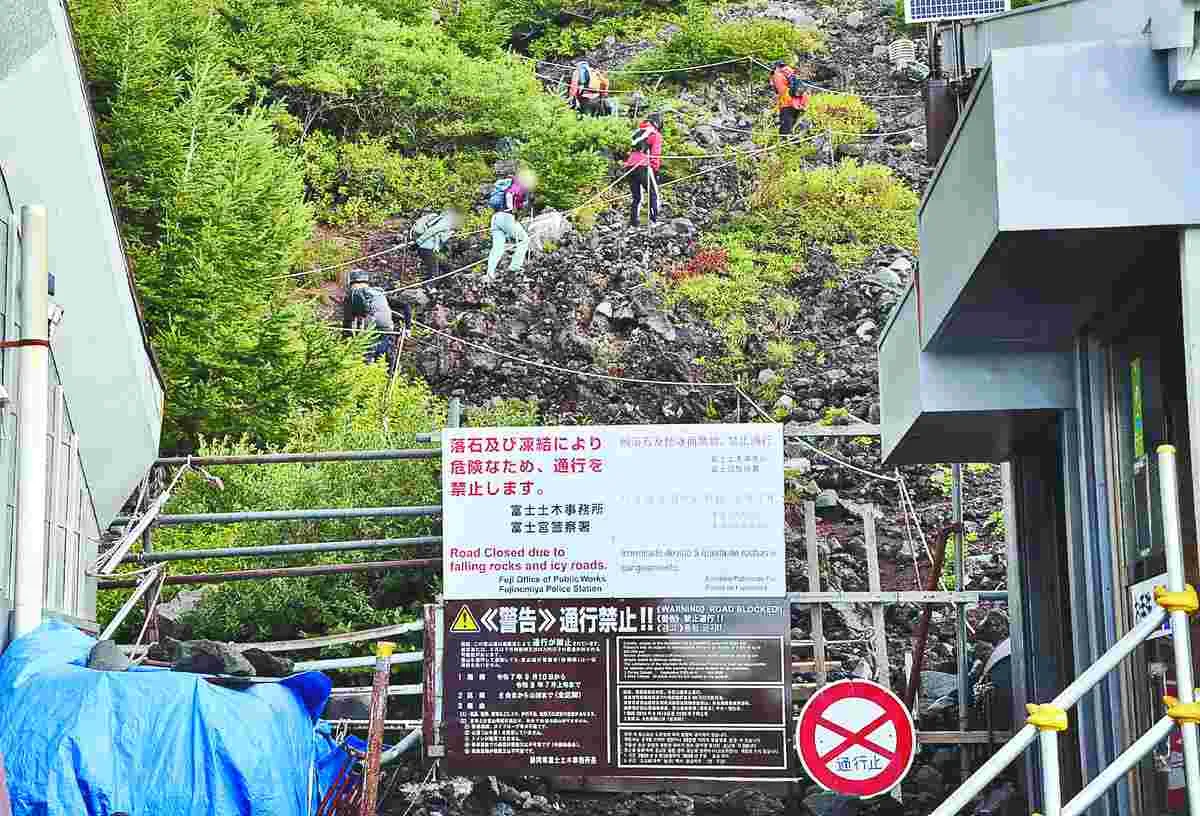
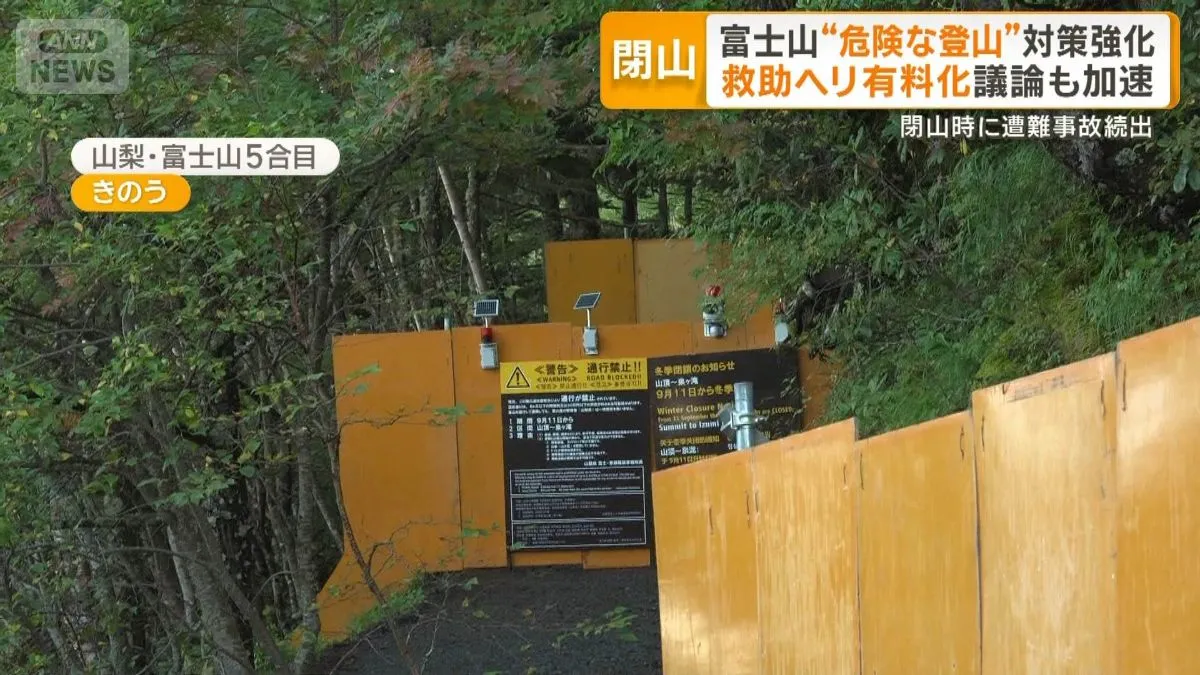
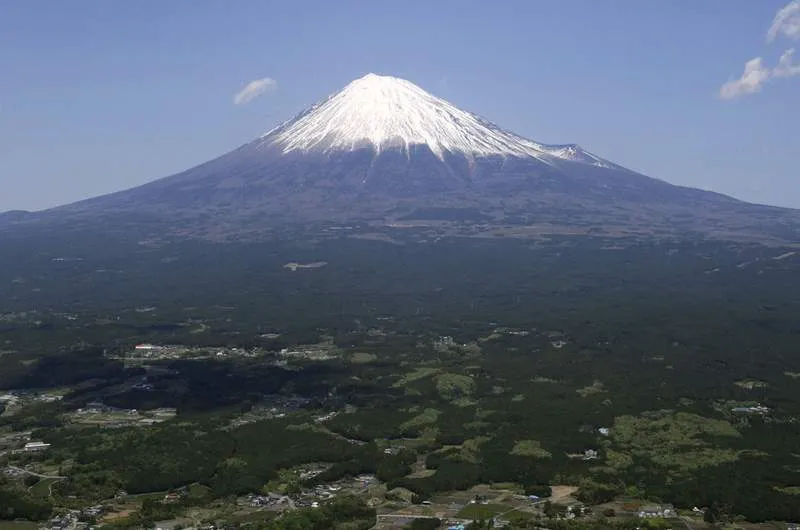
Mount Fuji’s Shizuoka-side routes officially close on September 10. During the closed season, services such as mountain huts, toilets, staffed safety facilities and regular route management may be limited or unavailable. Weather conditions can also change rapidly, while snow, ice and strong winds create substantially greater risks than during the main summer climbing period.
A growing safety concern for visitors
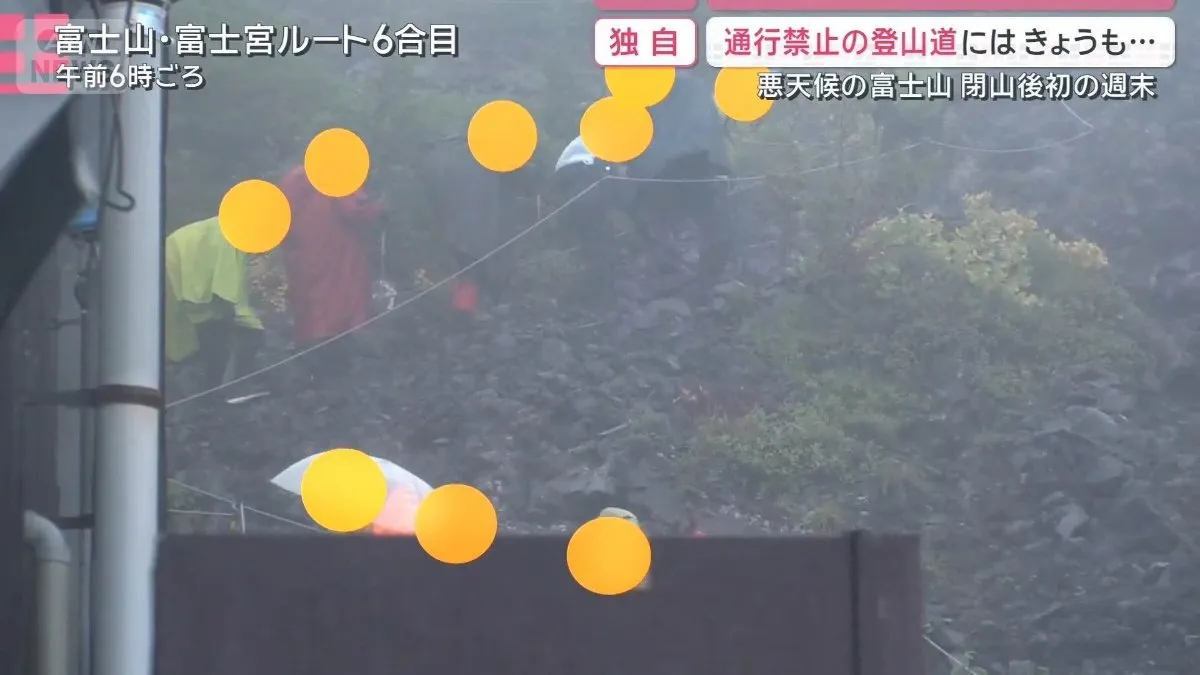
In recent years, accidents and distress calls involving climbers during the closed season have occurred repeatedly. Local governments around Mount Fuji have therefore urged stronger measures to prevent inexperienced or inadequately equipped visitors from attempting the ascent after the official season ends.
For international travelers, the planned changes underline an important point: Mount Fuji remains accessible as a cultural and tourism symbol, but access does not mean that every period is safe for climbing. The mountain rises to 3,776 meters, and its high-altitude environment can be dangerous even for physically fit visitors. Travelers planning a climb should check official prefectural guidance, follow route restrictions, prepare appropriate equipment and submit any required climbing information.
Charging for certain closed-season rescue operations is intended to reinforce personal responsibility while helping authorities manage the costs and risks of difficult helicopter missions. At the same time, the policy will need to balance deterrence with the principle that people in life-threatening emergencies must be able to seek help. The upcoming discussions between Shizuoka and Yamanashi will be closely watched as Japan works to protect both climbers and rescuers on one of the country’s most recognizable landmarks.