Japan takes the global lead
Japan has been ranked the world’s leading destination in the 2026 Travel and Tourism Development Index published by the Switzerland-based World Economic Forum on the 25th. The country moved up from third place in the previous 2024 edition, overtaking the United States and Spain to claim the top position.
The index evaluates 110 countries and territories across a broad range of factors connected to travel and tourism. These include the business environment, safety and security, price competitiveness, transport infrastructure, and cultural and natural resources. Rather than measuring visitor numbers alone, the ranking offers a wider assessment of how effectively a country can support tourism and attract international travelers.
Cultural heritage and transport strengthen Japan’s appeal
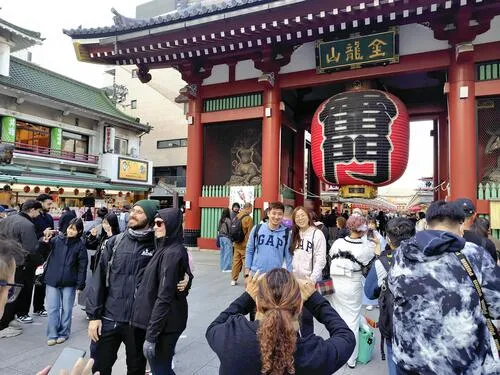
Japan received particularly strong recognition for its cultural resources, including its extensive historical heritage. The country’s temples, shrines, castles, traditional neighborhoods, historic gardens, festivals, and living cultural traditions continue to offer visitors experiences that are both distinctive and deeply connected to local communities.
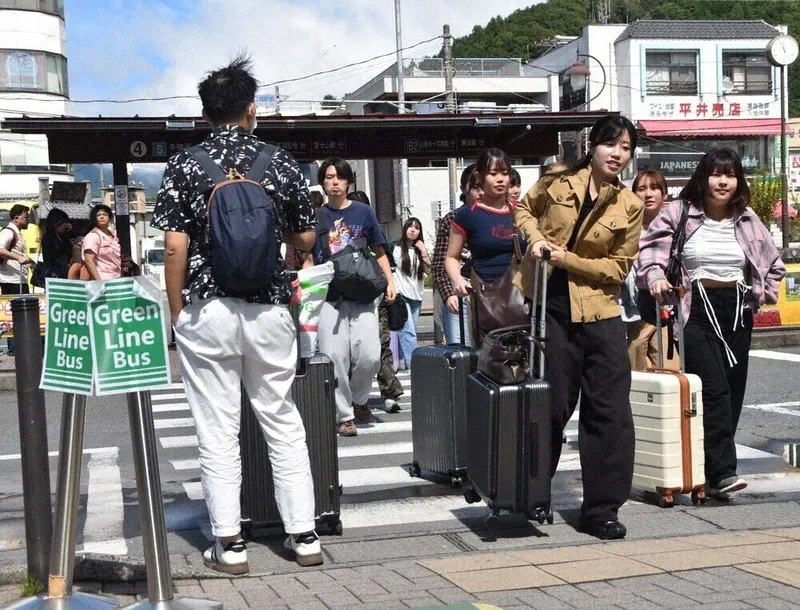
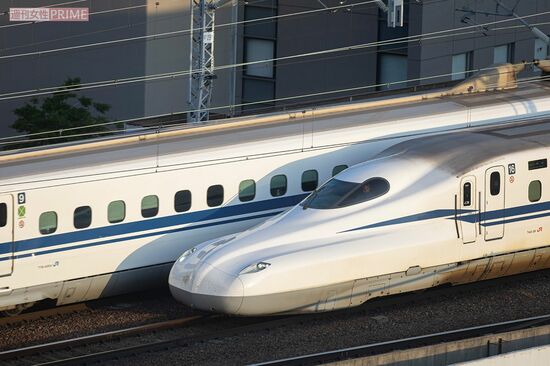
Japan’s transportation network was another major strength. For international visitors, the country offers an efficient combination of airports, high-speed rail, urban subway systems, local trains, buses, and ferries. The shinkansen allows travelers to move quickly between major destinations, while regional transport networks make it possible to explore smaller cities, rural areas, and scenic coastal and mountain communities.
This combination of heritage and accessibility has helped Japan become an increasingly attractive destination for travelers seeking both convenience and cultural depth. Visitors can move from a modern global city to a historic town, a hot-spring resort, or a national park within a relatively short journey.
Strong non-leisure resources also boost Japan’s ranking
The index also placed Japan first in the category of “non-leisure resources.” This measure reflects the presence of internationally important cities, multinational companies, universities, and other institutions that support business travel, academic exchange, conferences, and international cooperation.
Tokyo, Osaka, Kyoto, Yokohama, Nagoya, and other major urban centers contribute to Japan’s appeal beyond traditional sightseeing. These cities combine advanced business infrastructure with renowned cuisine, cultural attractions, shopping, entertainment, and highly developed public services. As a result, Japan is well positioned to benefit from both leisure tourism and business-related travel.
Tourism opportunities are spreading beyond the major cities
The World Economic Forum noted that tourism distribution has expanded in recent years, while air connections have improved and openness has increased. This trend is significant for Japan, where international attention has historically focused heavily on Tokyo, Kyoto, and Osaka.
A broader distribution of visitors could create new opportunities for regional economies, supporting local hotels, restaurants, transport operators, cultural organizations, and small businesses. It may also encourage travelers to discover destinations such as Hokkaido, Tohoku, Hokuriku, Shikoku, Kyushu, and Okinawa, each offering different landscapes, food cultures, traditions, and seasonal attractions.
Japan’s first-place ranking is a strong endorsement of its tourism infrastructure and cultural assets. At the same time, continued success will depend on managing visitor numbers responsibly, supporting local communities, improving multilingual services, and ensuring that popular destinations remain comfortable and sustainable. With its blend of safety, heritage, connectivity, and modern international facilities, Japan enters 2026 with a particularly strong position on the global tourism stage.